Orange
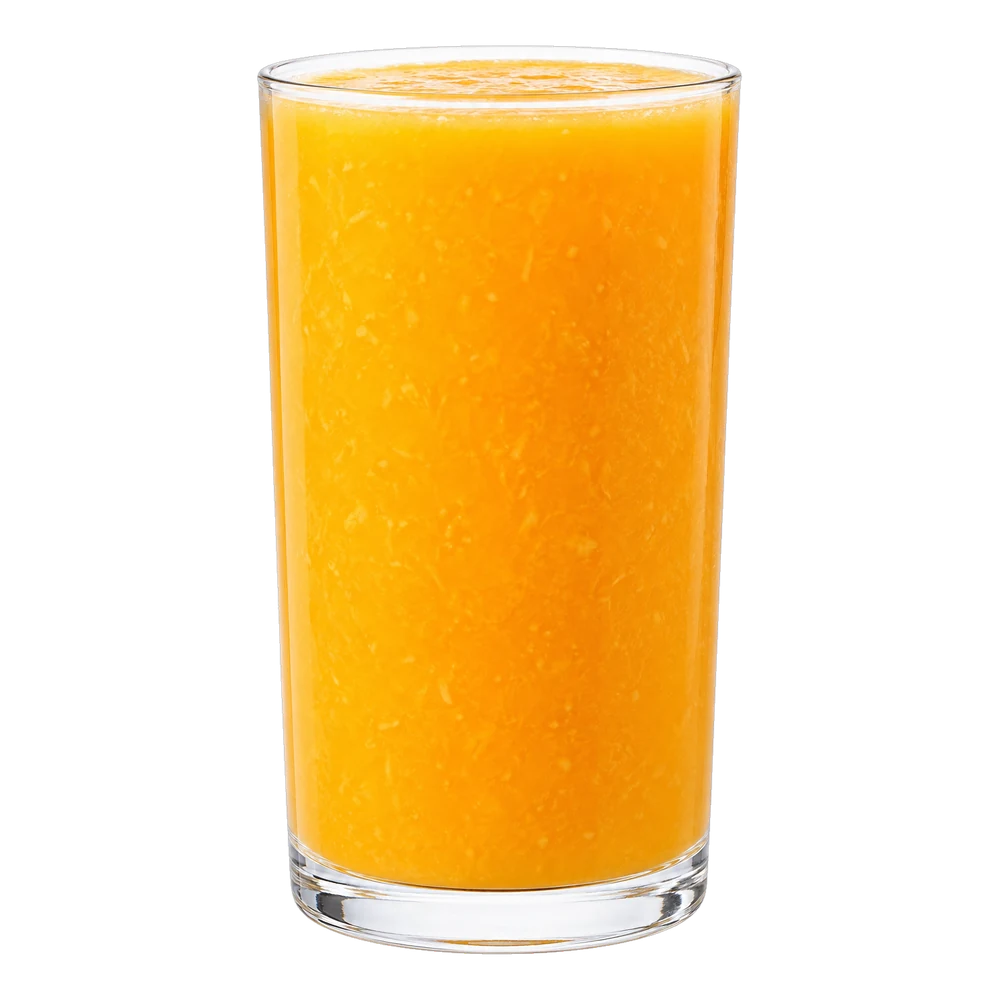
Brix 11.2 min · pH 3.3 to 4.19
The reference line. Full specification published above.
Fruit juices
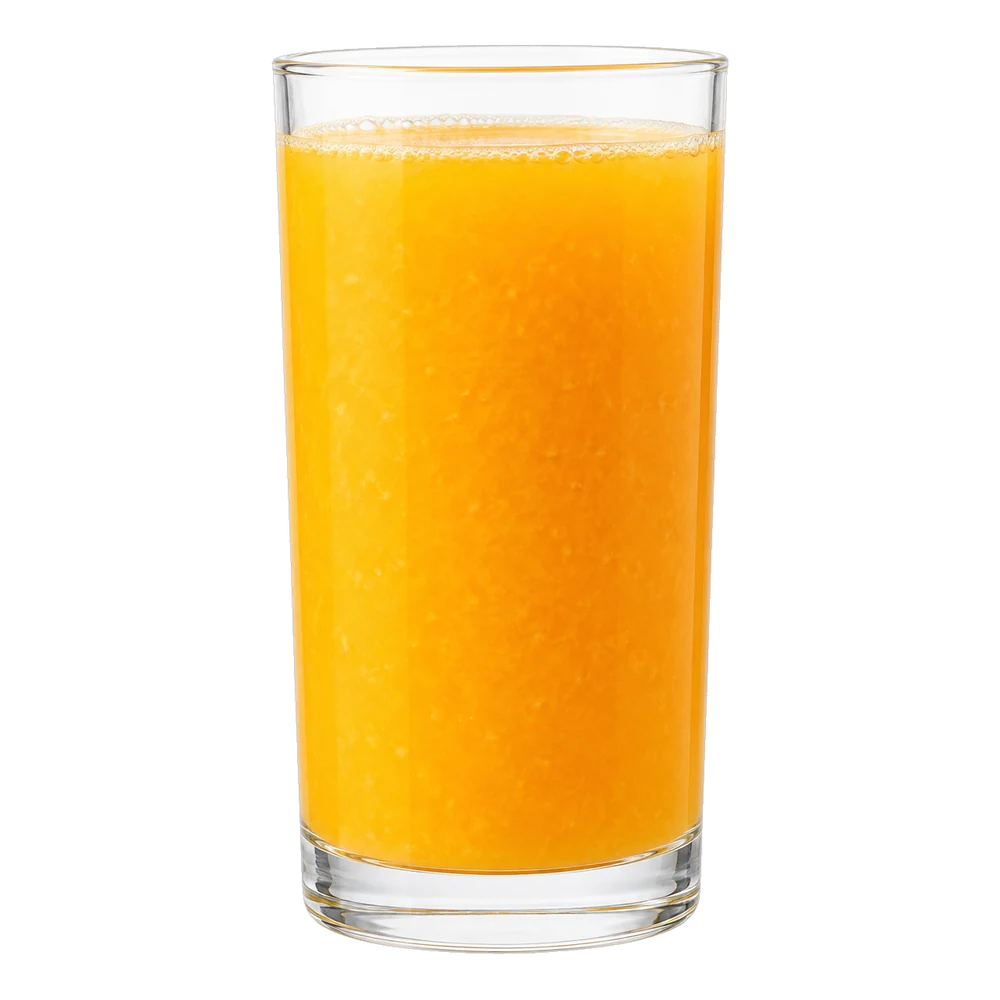
Fruit juice poured into a glass, photographed close
Fruit juice, nectar and juice drink programs in Tetra Brik and glass, for retail, foodservice and private label.
The three tiers are different products in law and on the shelf, not grades of the same thing. Which one a program needs is decided first, because it sets the fruit content, the label and the price.
Reference product
The reference line for the program. It carries no additives, no preservatives and no added sugar, and its full specification is published below. Every other line follows its own sheet, confirmed for the selected program.
Technical specification
Target parameters for the reference line. Each juice carries its own sheet; the figures below are what the producing site works to on this one.
| Brix, minimum soluble solids | 11.2 to 12 |
|---|---|
| Acidity | 5.5 to 7.5 g per kg |
| Density, minimum | 1.044 plus or minus 0.002 |
| pH | Below 4 |
| Juice content | 100% juice from concentrate |
|---|---|
| Additives | None |
| Preservatives | None |
| Added sugar | None |
| Aerobic plate count | Below 10 cfu per ml |
|---|---|
| Yeast and mould | Below 10 cfu per ml |
| Pathogens, coliforms and enterobacteriaceae | Absent per ml |
| Ochratoxin A | Below 2 ppb |
| Lead | Below 0.02 mg per kg |
|---|---|
| Cadmium | Below 0.02 mg per kg |
| Shelf life | 24 months from manufacture |
| Storage | Ambient. Aseptic filling means no refrigeration in distribution or storage |
| Energy | 45 kcal / 191 kJ |
|---|---|
| Total fat | 0 g |
| of which saturates | 0 g |
| Carbohydrate | 10.6 g |
| of which sugars | 10.3 g |
| Protein | 0.6 g |
| Fibre | 0.1 g |
| Salt | 0.05 g |
| Added sugar | 0 g |
Quality documentation is confirmed for the selected program and destination market. Batch-specific analysis, applicable certificates and export documentation are provided to qualified buyers.
Contaminant limits follow Regulation EC 2023/915, and pesticide residues Regulation EC 396/2005. Results are issued per lot.
Figures are target parameters for the reference line and are confirmed on the program specification before order.
Fruit juice, natural
No additives, no preservatives, no added sugar. Brix and pH are published per line because they are what a technical buyer checks first.
Brix 11.2 min · pH 3.3 to 4.19
The reference line. Full specification published above.
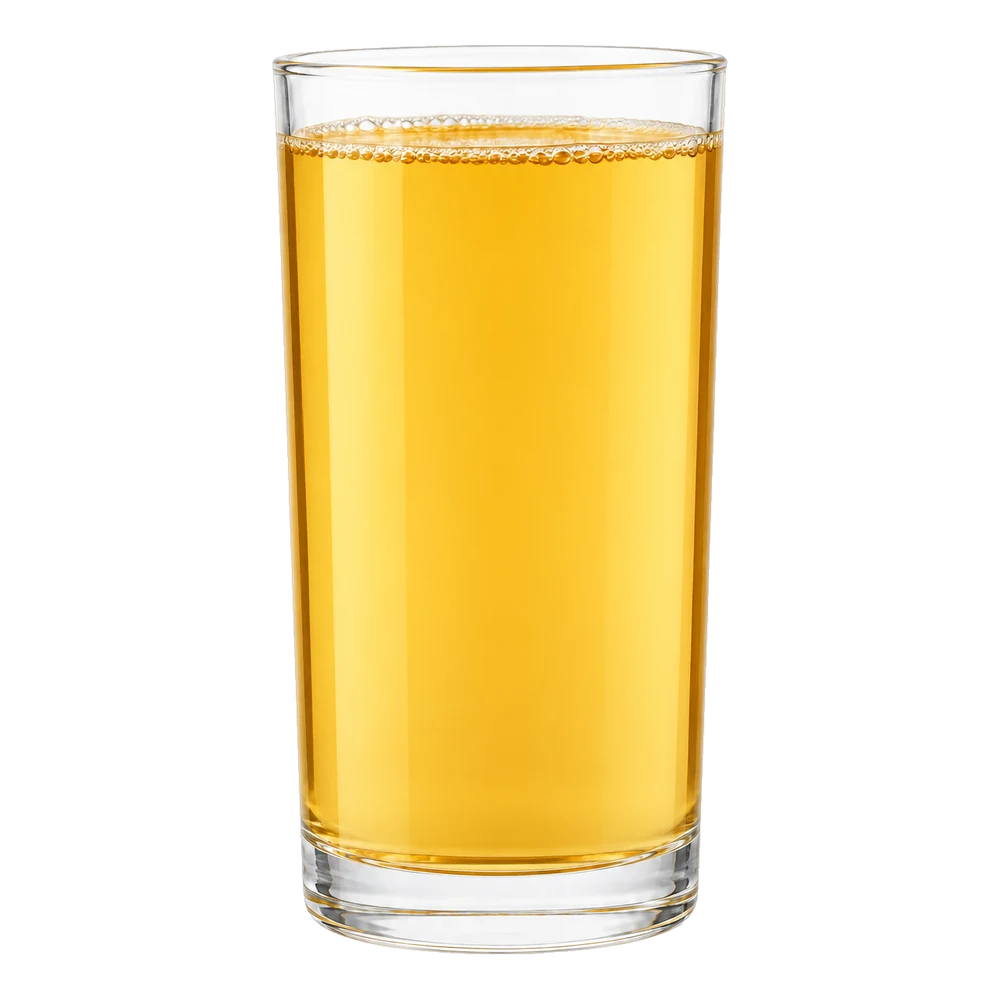
Brix 11.5 min · pH 3.35 to 4.0
Clear amber apple juice from concentrate, the volume line of the range.
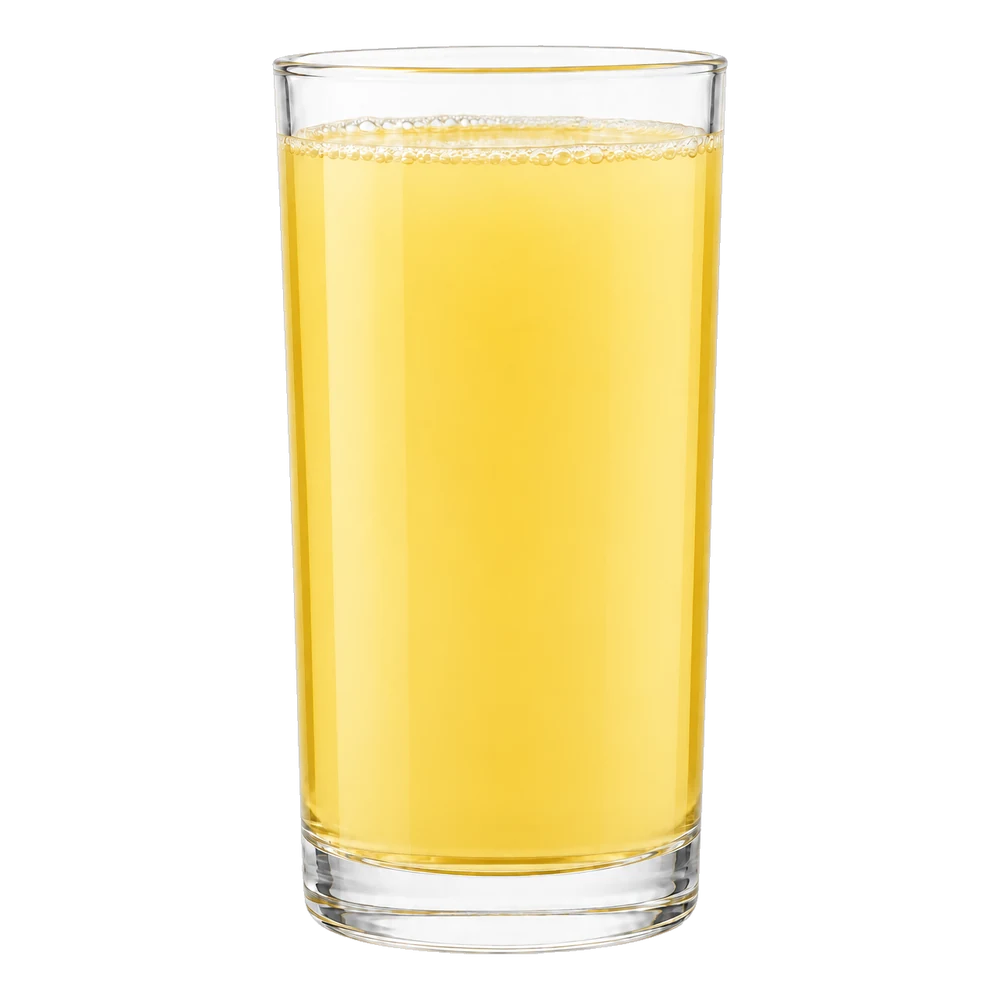
Brix 12.8 min · pH 3.3 to 3.6
The highest Brix in the range, which is why it carries sweetness without added sugar.
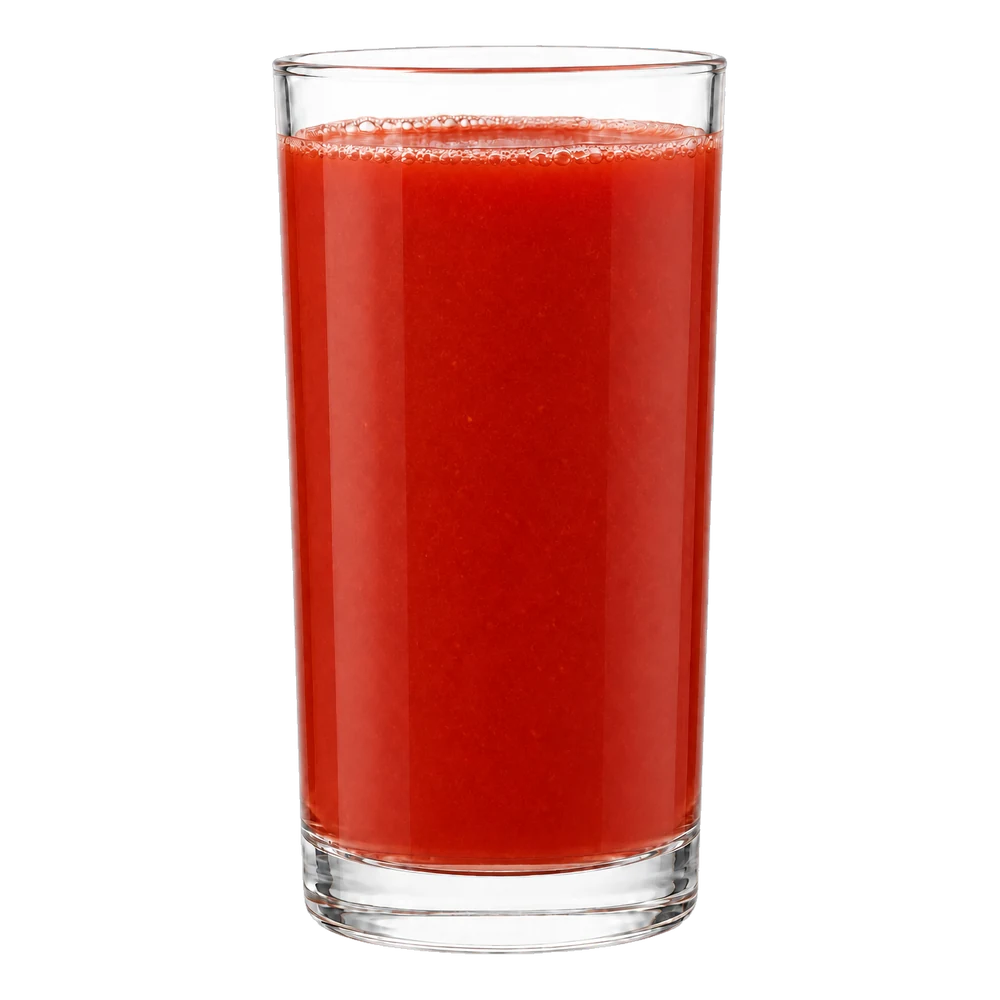
pH 4.1 to 4.6
Thick opaque tomato juice. The least acidic line in the range, which changes its process filing.
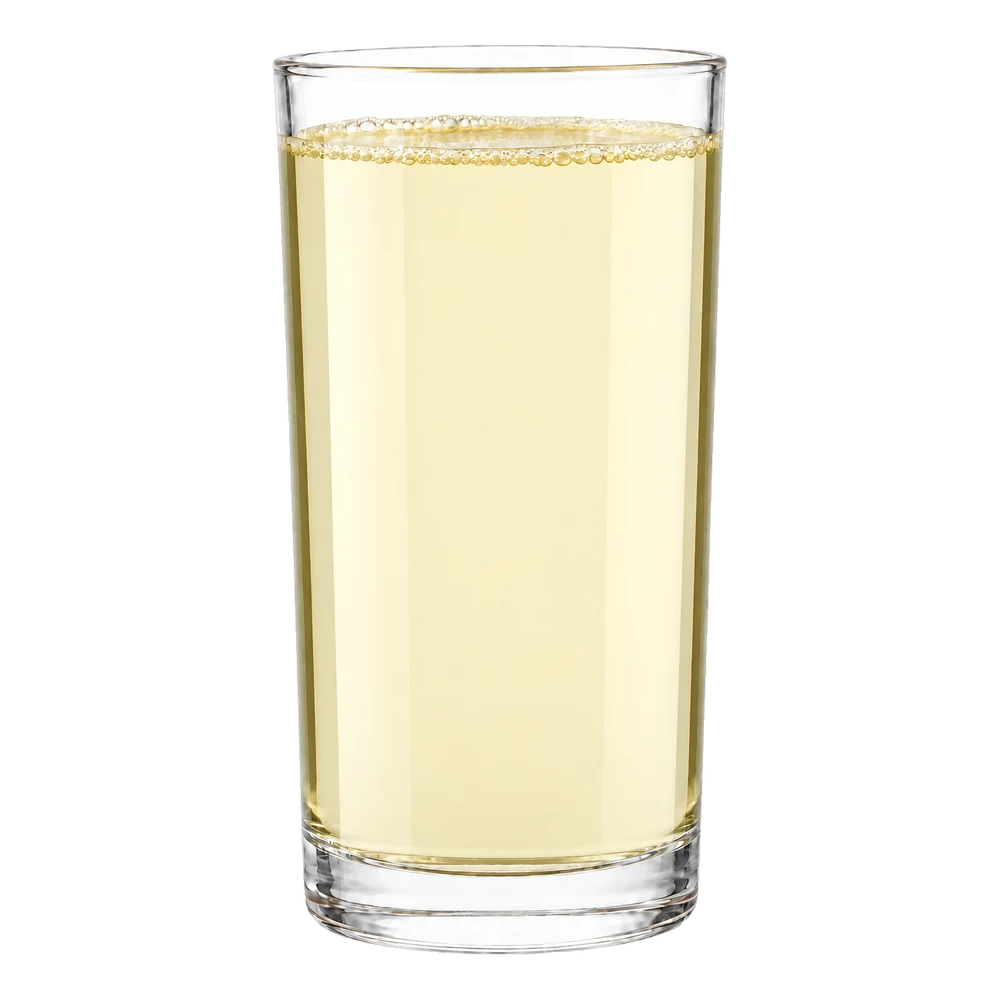
Brix 10 min · pH 2.9 to 3.25
Pale, delicate and naturally high in sugar for its Brix.
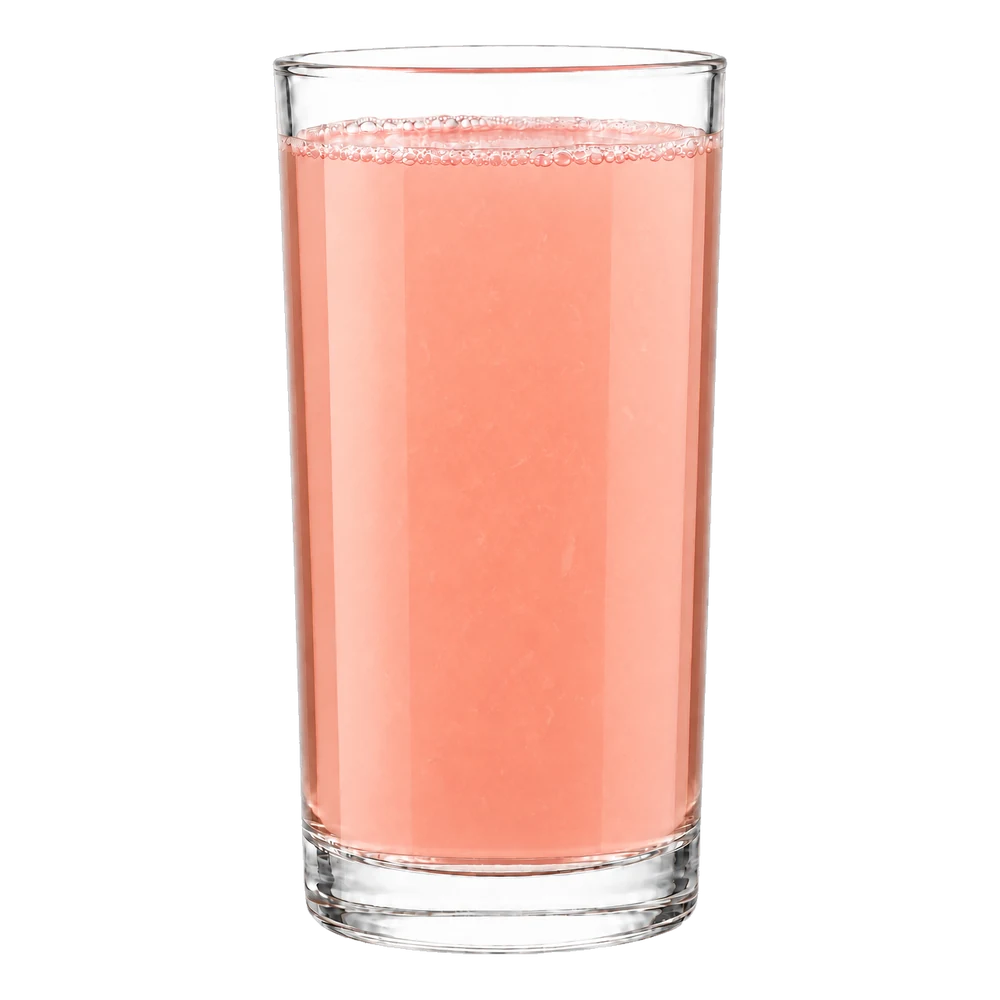
Brix 10 min · pH 2.9 to 3.25
Blush pink and sharp, for breakfast and mixer programs.
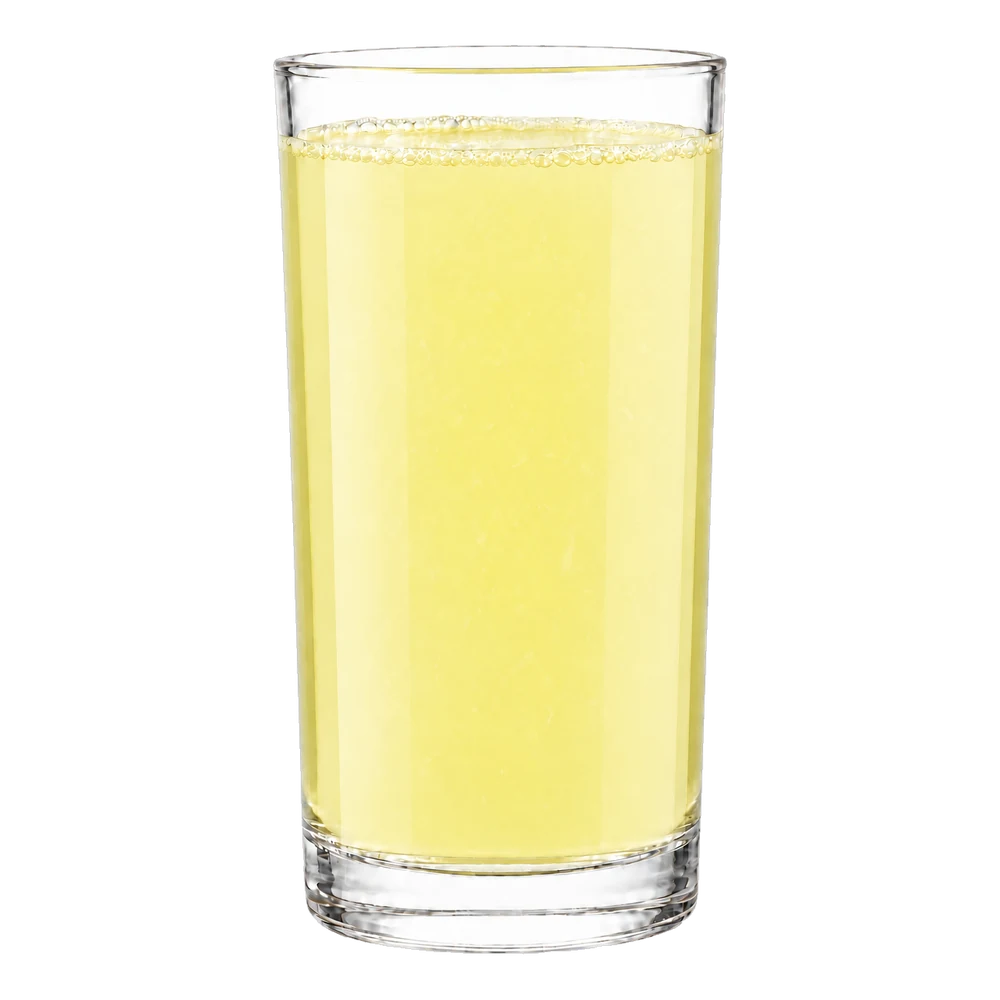
pH 2.0 to 2.35
The most acidic line, used as an ingredient as much as a drink.
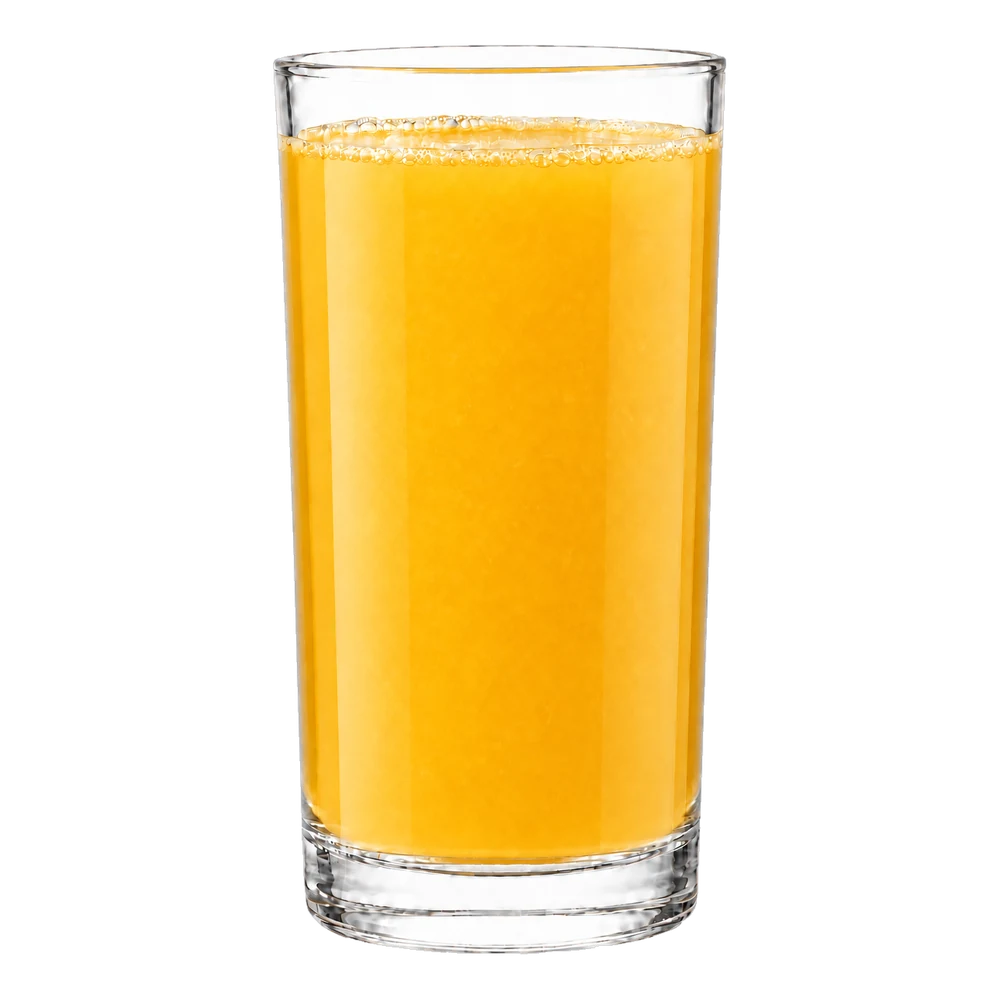
Blend, confirmed per program
A blend of tropical fruits, with the ratio set for the destination market.
Each line is confirmed against a current producing-site specification for the program.
Nectar
Fruit puree or juice with water and sugar. A no-added-sugar version is produced on the same lines, with sweetener in place of the sugar.
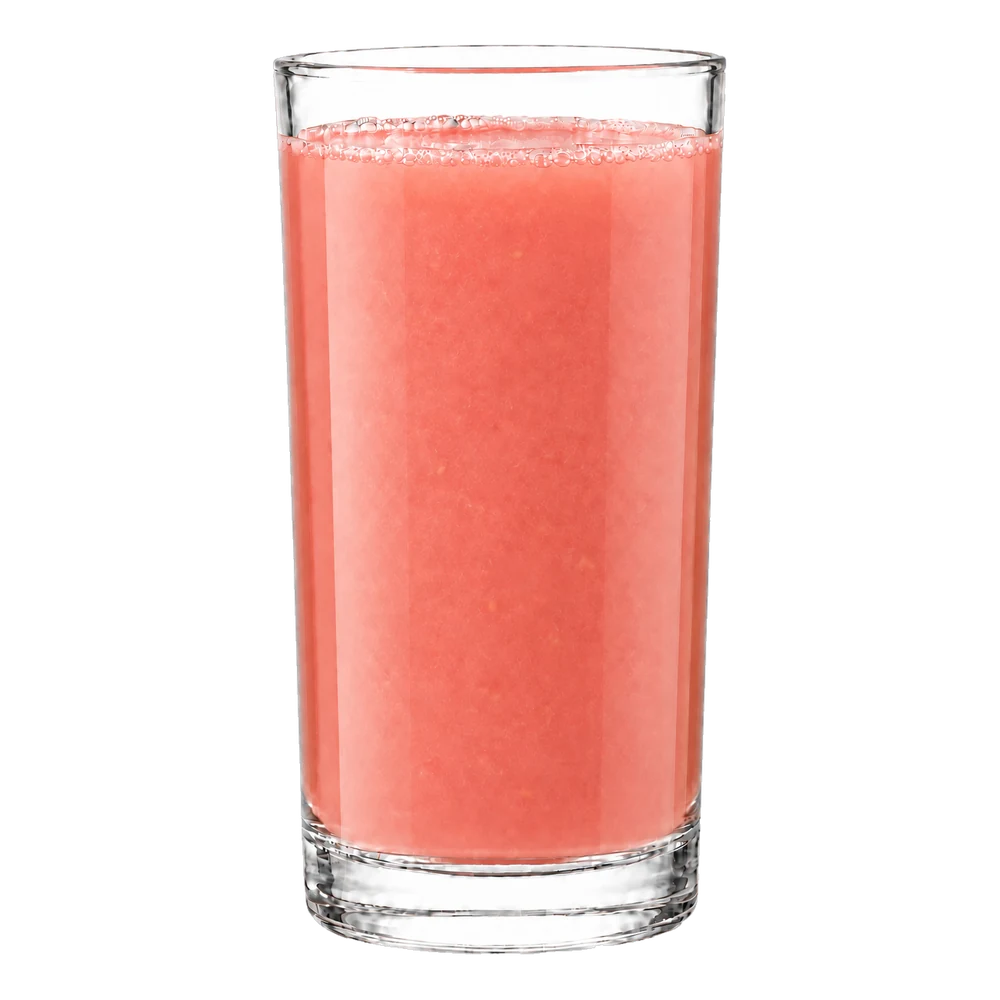
25% fruit · pH 5.5
Guava puree from concentrate with water and sugar. Thick and creamy, the standard tropical nectar.
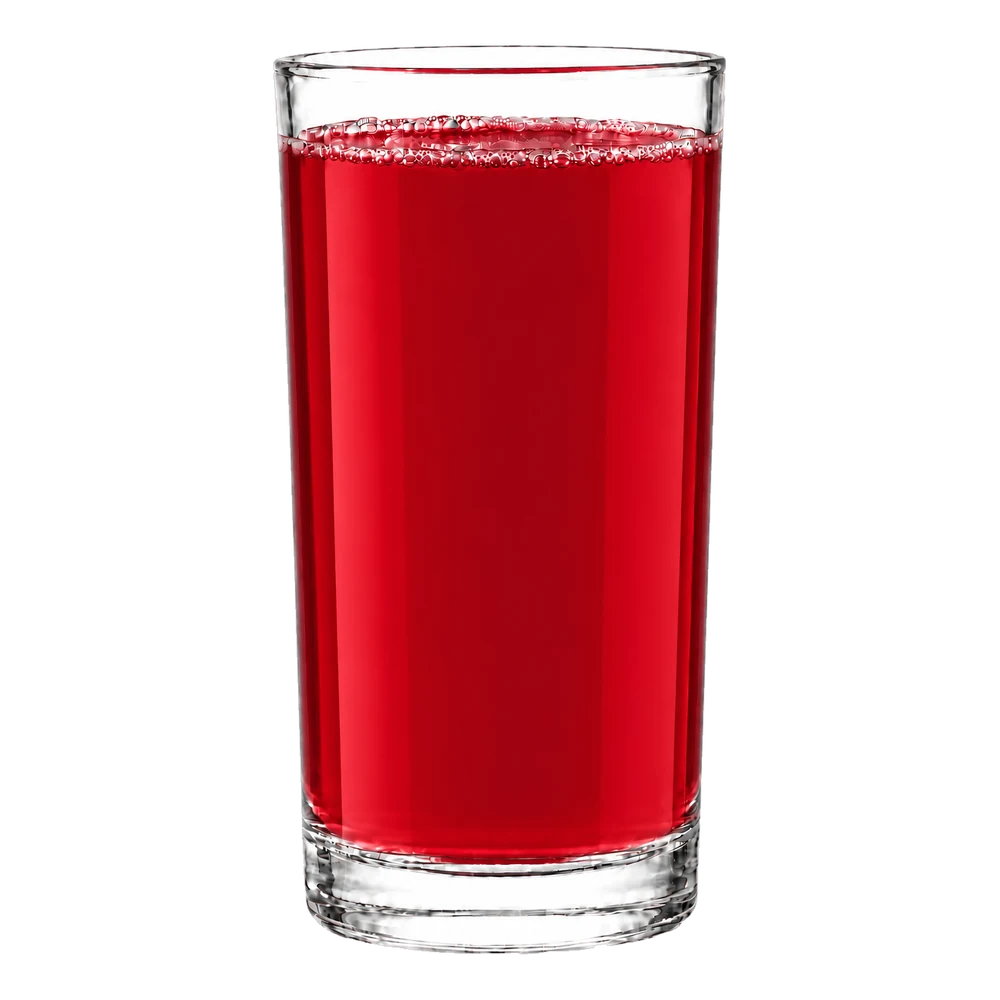
Brix 30 min · pH 2.3 to 2.52
Deep ruby and sharp. The highest Brix and the lowest pH in the range.
Fruit percentage is fixed on the program specification and printed on the pack.
Juice drink
Juice from concentrate with sweeteners, and squash concentrates for dilution. Both are high-volume formats where price per serve is the decision.
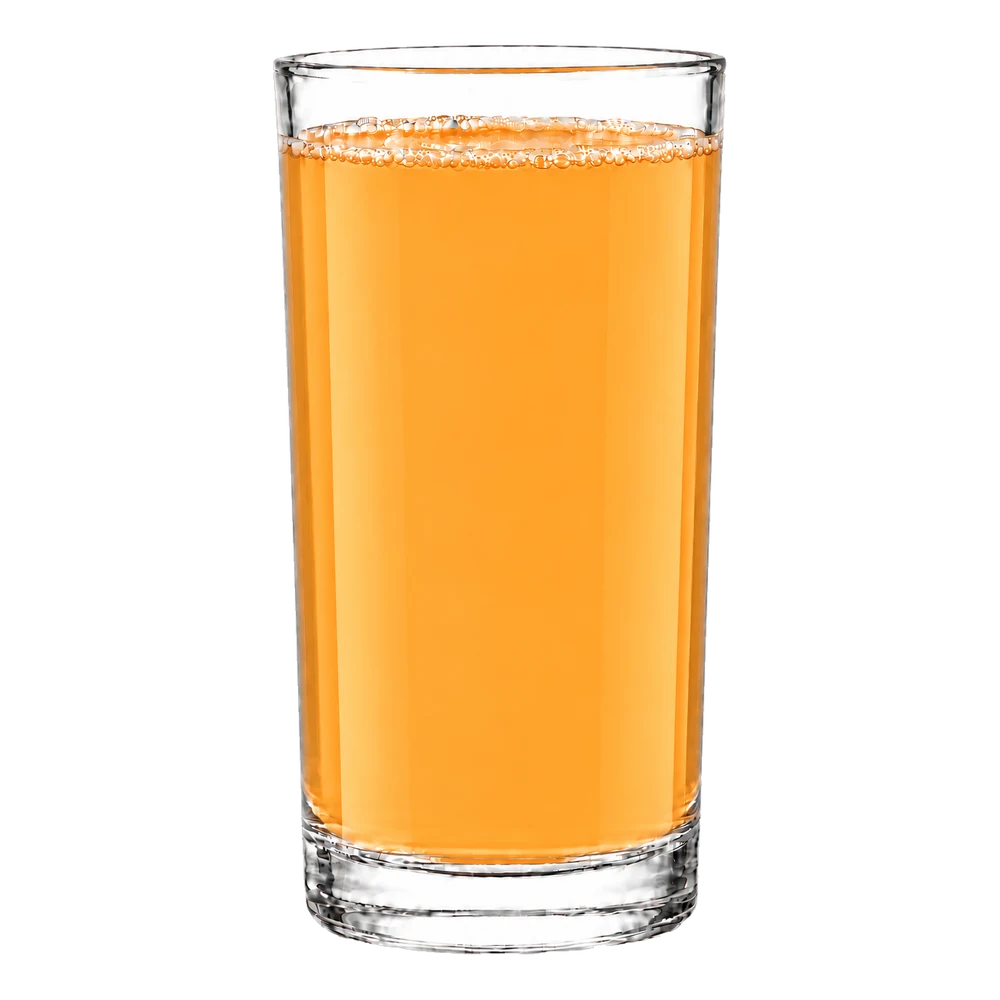
Brix 25 min · pH 3.69 to 4.34
Concentrated for dilution, so one container serves several times its own volume.
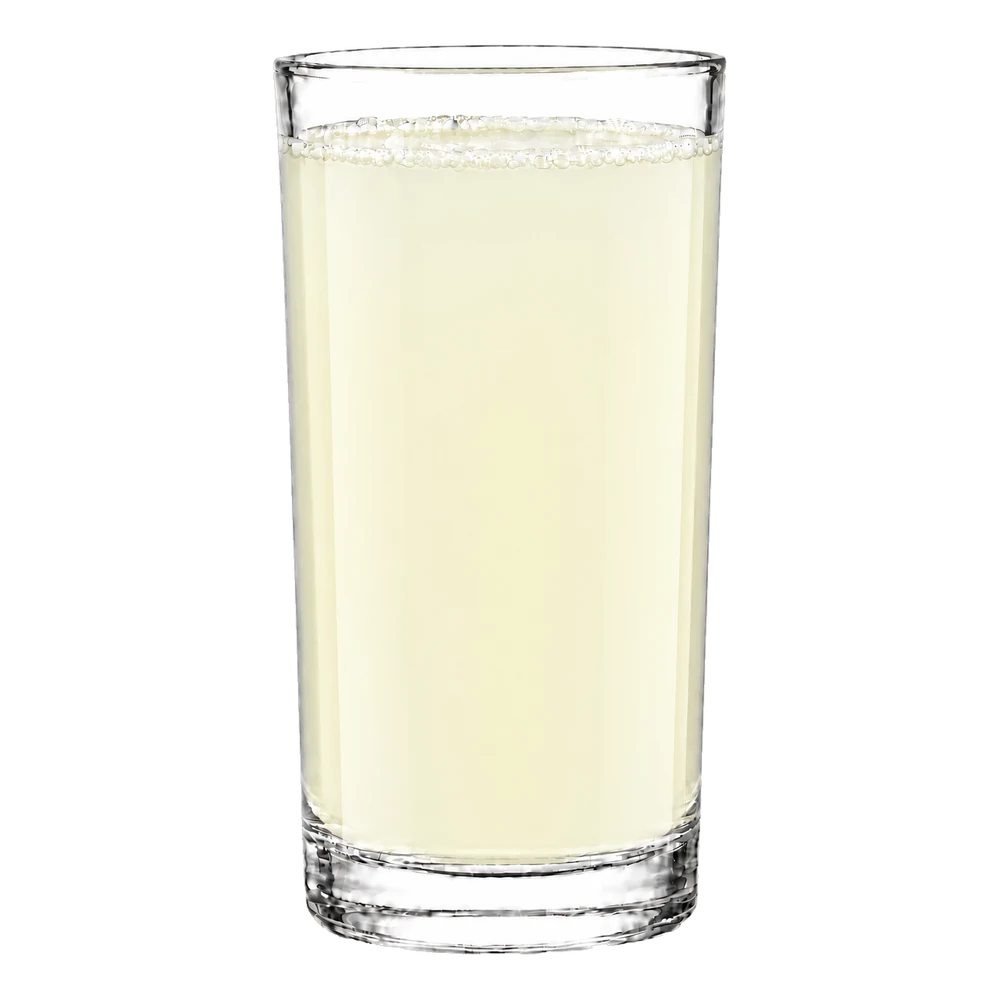
Brix 25 min · pH 2.00 to 2.60
The same format on lemon, for catering and food-service dispense.
Sweetener type and fruit content are agreed per program and declared on the label.
Product tiers
The tier is agreed before anything else, because it decides the fruit content, what the label may say and where the price lands.
| Tier | What is in it | Where it is used |
|---|---|---|
| Fruit juice, natural | 100% juice from concentrate. No additives, no preservatives, no added sugar | Premium retail and foodservice, and any market where the label must read 100% juice |
| Nectar | Fruit puree or juice plus water and sugar, typically 25% to 50% fruit. A no-added-sugar version is also produced | Mainstream retail, and the tropical fruits that are too thick or too sharp to drink neat |
| Drink | Juice from concentrate with sweeteners, at a lower fruit content | Value retail, catering and high-volume programs |
The tier is recorded on the program specification before artwork is prepared, because it governs the legal denomination on the pack.
Request the full current rangePackaging
Aseptic carton for volume and ambient distribution, glass for premium retail. Every format takes private-label artwork.
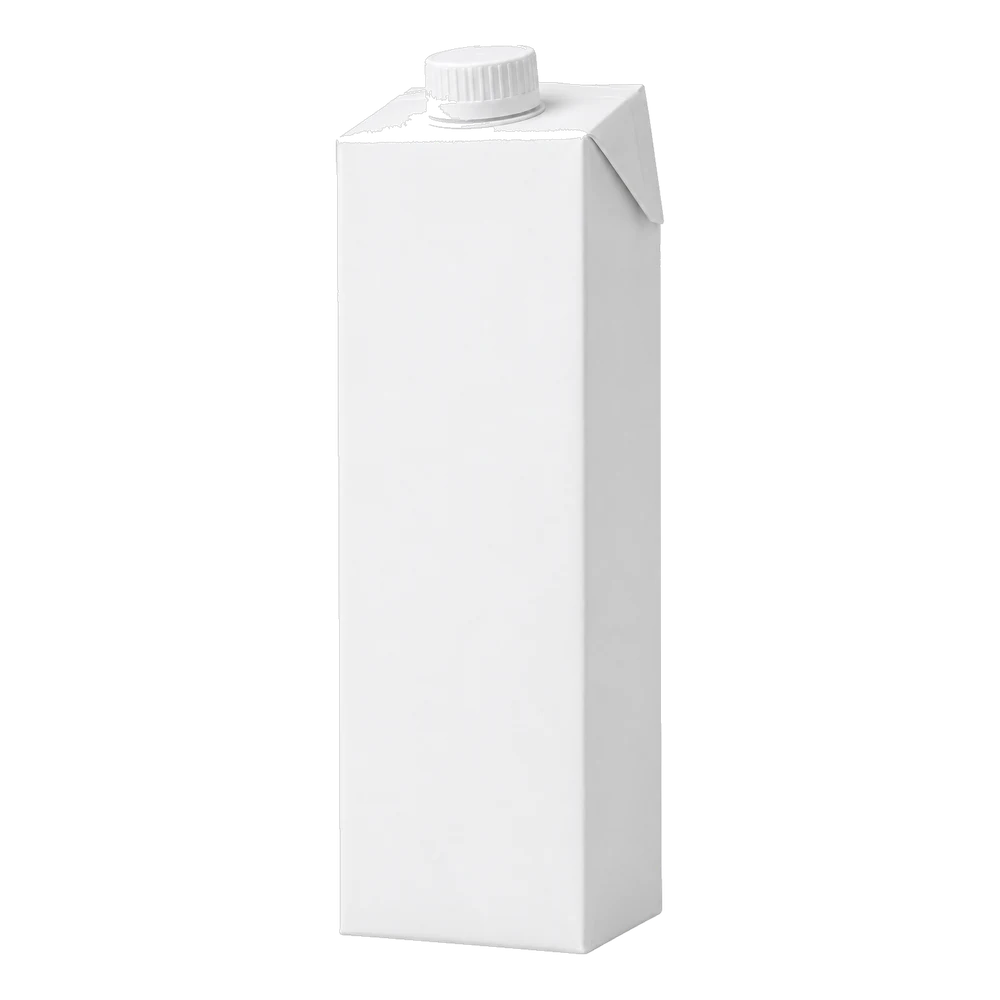
1 L (33.8 US fl oz)
The volume format. Aseptic filling means it ships and stores ambient, with no cold chain.
See loading →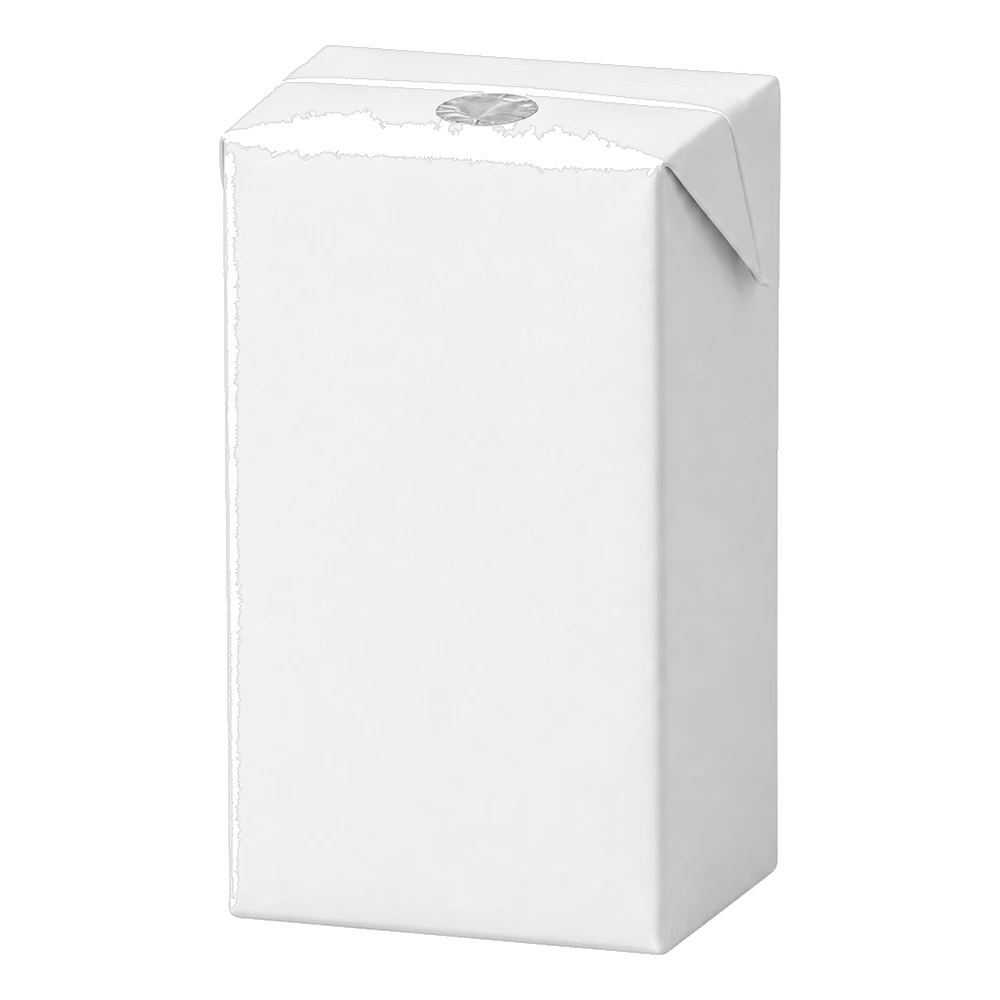
200 ml (6.8 US fl oz)
Single-serve carton, sold in three-packs and six-packs for school and lunchbox programs.
See loading →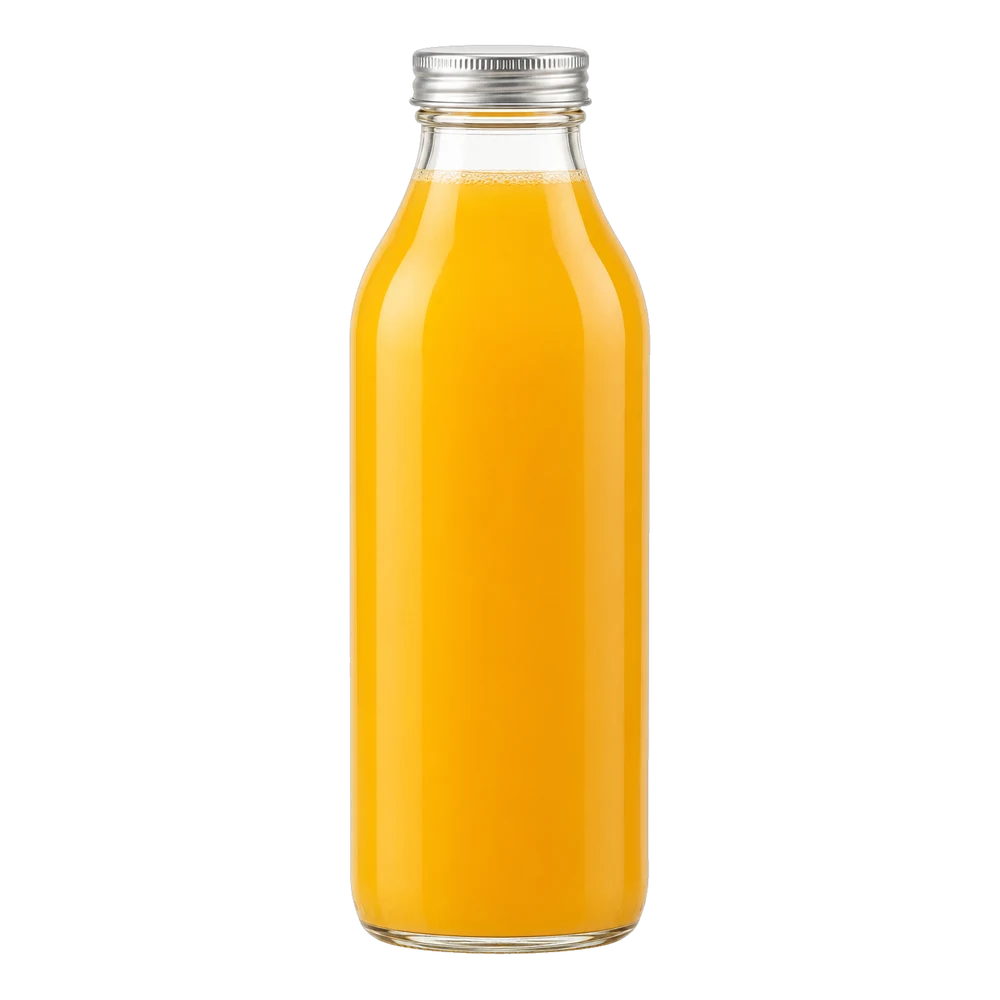
1 L (33.8 US fl oz)
Glass for the premium shelf, where the presentation carries the price.
Request a quote →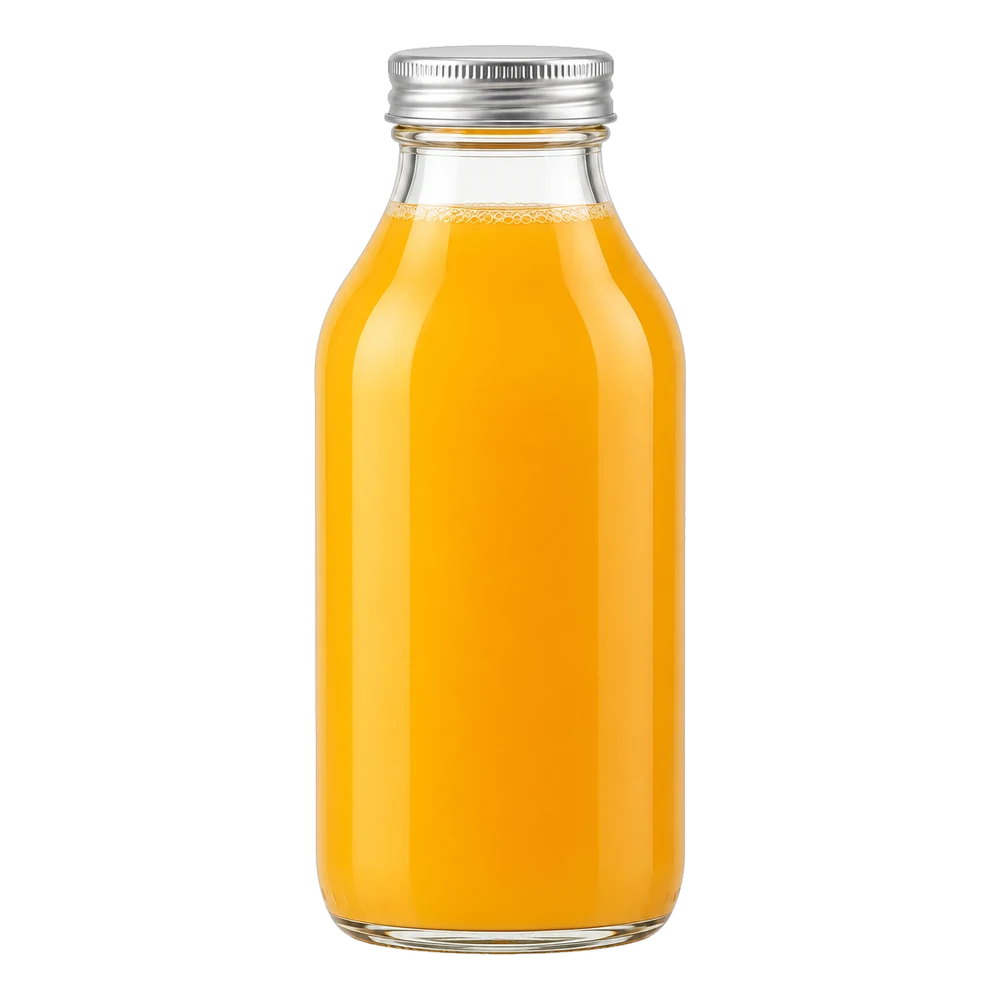
250 ml (8.5 US fl oz)
Single-serve glass for hotel breakfast, cafe service and premium impulse.
Request a quote →Loading capacity
Juice is close to a kilogram per litre, so a container reaches its WEIGHT limit long before it fills. That is why the box is a 20 ft and why the payload, not the volume, is the number that governs a booking.
| Line | Payload per 20 ft | Cases of 12 x 1 L | Cases of 24 x 200 ml |
|---|---|---|---|
| Apple · Orange · Pineapple · Tomato · Guava nectar · Cranberry | 19,800 kg (43,700 lb) | 1,650 cases | 4,125 cases |
| Lemon | 20,000 kg (44,100 lb) | 1,666 cases | 4,166 cases |
| White grape · Grapefruit | 21,000 kg (46,300 lb) | 1,750 cases | 4,375 cases |
| Orange squash · Lemon squash | 25,000 kg (55,100 lb) | 2,083 cases | 5,208 cases |
Case counts are the payload divided by the net volume per case, rounded down because a part case does not ship. Glass formats load to a lower payload than carton because the bottle itself carries weight; the figure is confirmed per format before booking.
Private label
Tier, fruit content, format, artwork and label declarations are configured under your brand, with documentation coordinated for the destination market before the first shipment.
Juice, nectar or drink agreed first, because it sets the legal denomination on the pack.
Brix, acidity and pH confirmed against a retained sample before the run.
Carton or glass, and the fill size, selected for the channel and the price position.
Label prepared with the nutrition panel and ingredient declaration the destination market requires.
Supply execution
Samples follow once a program, specification and commercial terms are agreed.