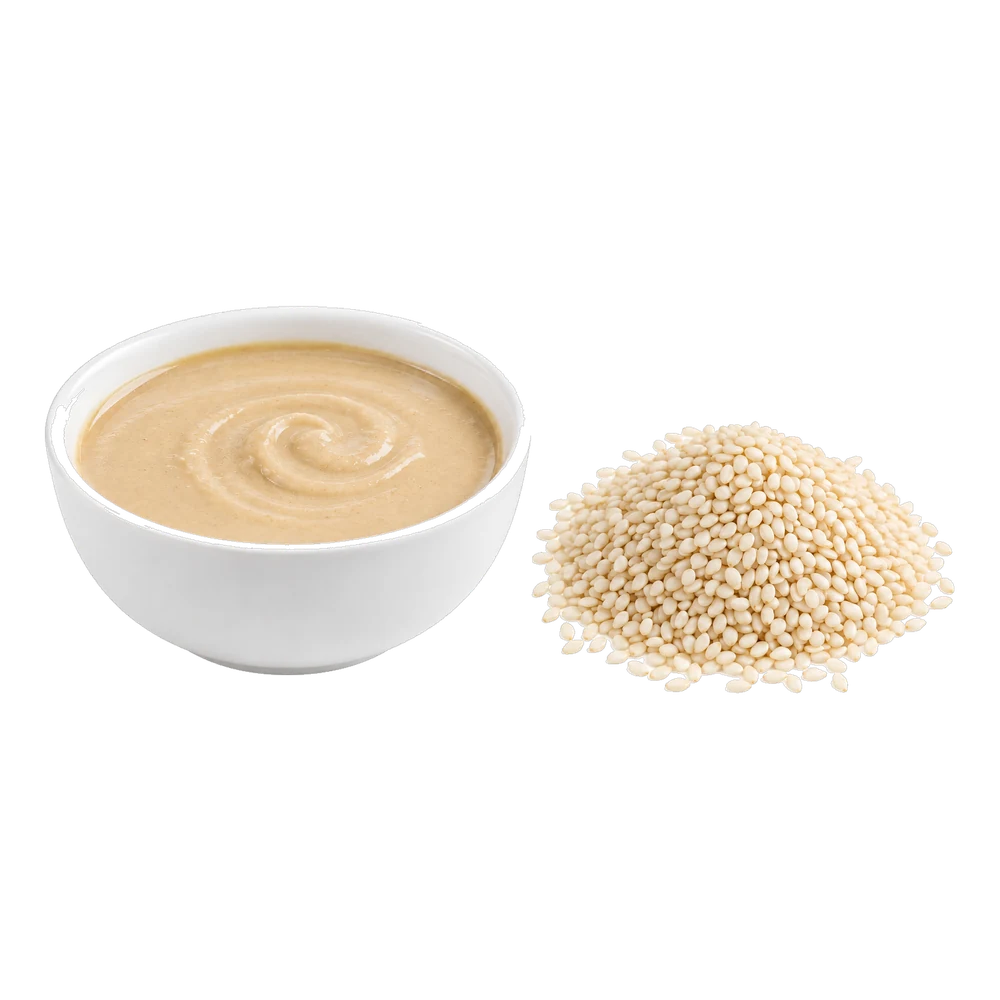
Tahini, retail
125 g · 240 g · 480 g jars
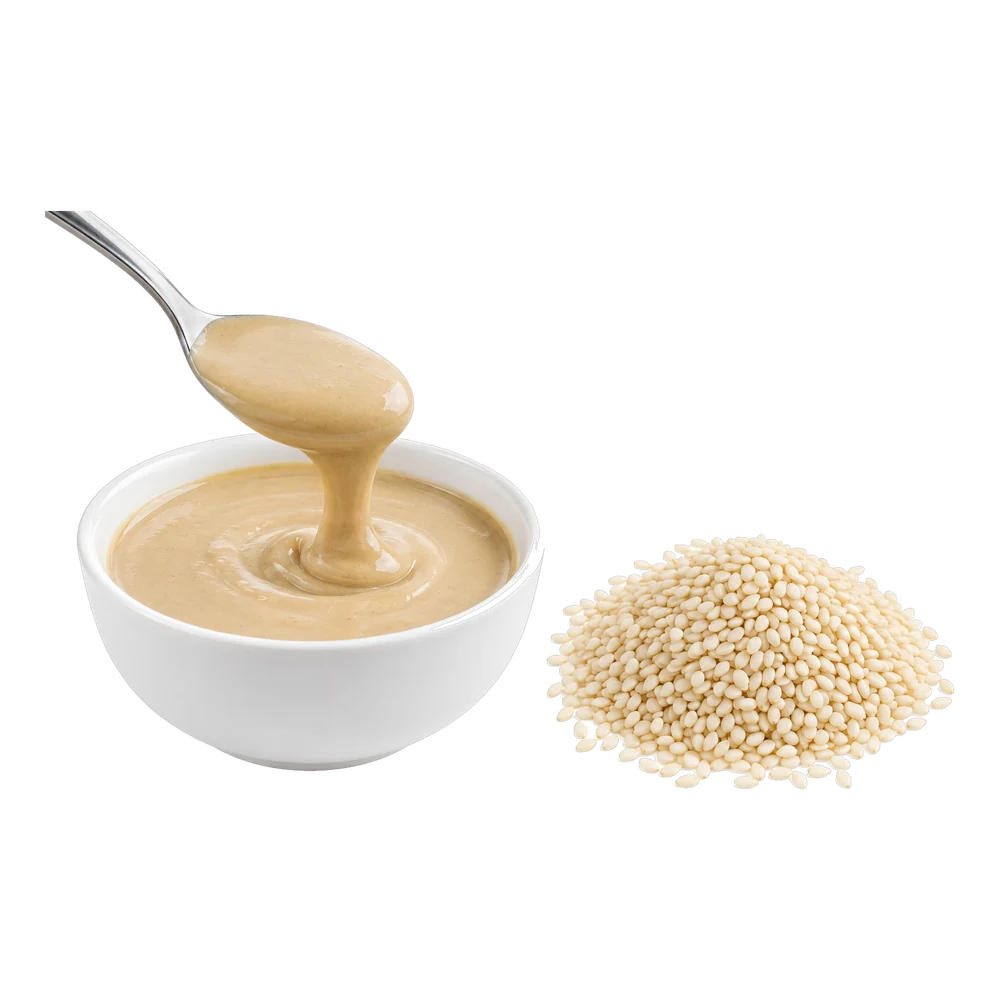
The reference line. 100% hulled roasted sesame, full specification published above.
Tahini, halva & sesame products
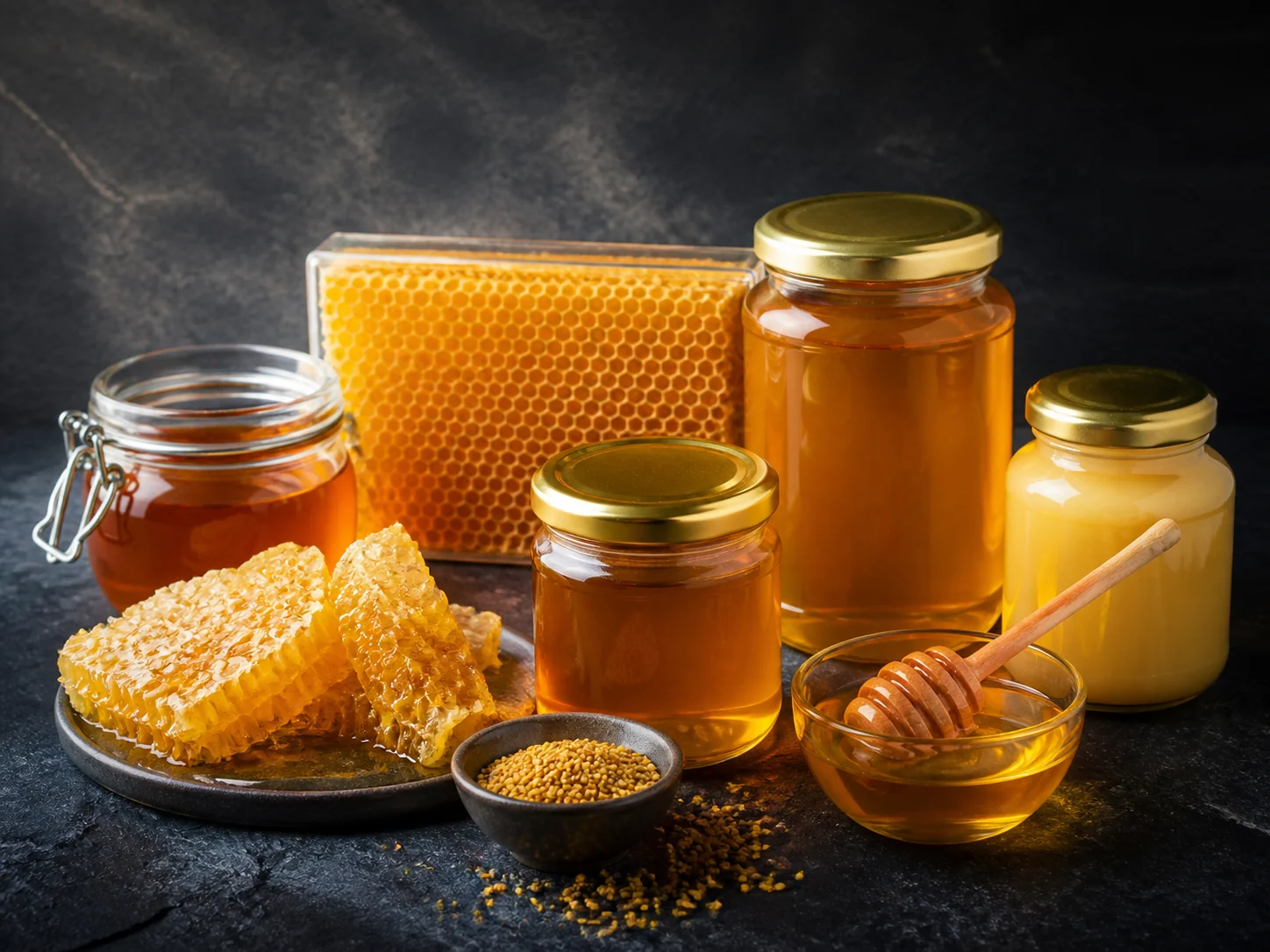
Tahini, sesame halva and molasses photographed close on a dark surface, with sesame seeds
Sesame tahini, sesame halva and sugarcane molasses for retail, foodservice and private label, from a 125 gram jar to an 18 kilogram pail.
Tahini is qualified on the seed and the mill before it is qualified on the jar. Hulled, roasted sesame ground with nothing added is what the Egyptian standard ES 941/2006 defines, and its moisture, ash and acidity limits are what a technical buyer checks first. Halva and molasses sit beside it because they are produced on the same sites and bought by the same importers.
Reference product
The highest-volume line in the range and the one carrying the fullest documentation, so its complete specification is published below. Halva and molasses follow their own sheets on the same production standard, confirmed for the selected program.
Technical specification
The specification for the reference line, with the reference standard recorded against each limit. Halva and molasses carry their own sheets, confirmed for the selected program.
OriginEgyptSudan
| Product | Sesame tahini (tahina) |
|---|---|
| Definition | Paste obtained by grinding sesame seed after dehulling, drying and roasting |
| Ingredients | 100% sesame; no added fat, color, preservative or other additive |
| Appearance | Smooth, creamy paste, cream to pale beige |
| Taste and odor | Clean roasted sesame, free of acid, burnt, fermented or foreign notes |
| Reference standard | Egyptian Standard ES 941/2006, tahina |
| Moisture | Not more than 2%; reference line 0.4% |
|---|---|
| Total ash | Not more than 3.5% on dry matter; reference line 2.93% |
| Acid-insoluble ash | Within 0.3% on dry matter; reference line 0.21% |
| Total fat | About 50%; reference line 55.5% |
| Protein | About 20% on dry matter; reference line 20.1% |
| Acidity, as oleic acid | Within 1.8%; reference line 1.05% |
| Peroxide value | Not more than 10 meq of active oxygen per kg of extracted oil |
| Contaminants | Aflatoxins (ES 1875-1), pesticide residues (Codex) and heavy metals (ES 2360) within the limits of the destination market; results issued per lot |
| Salmonella | Not detected in 25 g, method ISO 6579-1 |
|---|---|
| Escherichia coli | Below 10 cfu per g, method ISO 16649-2 |
| Staphylococcus aureus | Below 100 cfu per g (NFSA 1/2021); reference line below 10, method ISO 6888-1 |
| Listeria monocytogenes | Not detected in 25 g, method ISO 11290-1 |
| Allergen | Sesame. A declared allergen in the United States (FASTER Act) and in the European Union (Annex II); the label declaration is reviewed for the destination market |
|---|---|
| Shelf life | 18 months from production in the sealed pack on the reference line; lines produced to 24 months are confirmed on the program specification |
| After opening | Consume within 2 months |
| Storage | Ambient, well ventilated, away from direct sunlight and heat; protected from shock and pressure in transit |
| Order and schedule | Minimum order, lead time and delivery schedule are defined by the nature and breakdown of each supply program - product, format, brand and destination - and confirmed with the quotation. |
|---|---|
| Incoterms and payment | Programs are executed under Incoterms® 2020 - FOB, CFR, CIF, and DAP or DDP for selected destinations. Payment terms and shipment plan are confirmed with the quotation. |
Origin is confirmed for the selected program and stated on the shipping documents. Shelf life is counted from the date of production. Remaining shelf life at delivery depends on the production slot and transit for the selected program and is stated on the program sheet.
| Energy | 652 kcal |
|---|---|
| Total fat | 54 g |
| Saturated fat | 7.9 g |
| Total carbohydrate | 22.7 g |
| Sugars | 0 g |
| Fiber | 1.5 g |
| Protein | 18.9 g |
| Sodium | 100 mg |
| Calcium | 185 mg |
| Iron | 5.1 mg |
Every producing site is qualified before it enters a program: HACCP is a baseline requirement, and, where the program requires a recognized food-safety certification (FSSC 22000, BRC or ISO 22000), the program is structured around a site holding the required current certificate, with the certificate, its scope and its expiry confirmed in writing for the selected product before the first order. Sites subject to FDA food facility registration must hold a current registration; applicability and exemptions are checked for the selected program. Tahini programs additionally carry analysis against ES 941/2006 and the standard of the destination market, per lot. Batch-specific analysis, applicable certificates and export documentation are provided to qualified buyers. Compliance and quality · US import compliance and FSVP.
Documents available on request: Technical Data Sheet, certificate of analysis per lot (physico-chemical and microbiological), allergen statement, Certificate of Origin, health certificate, applicable certification documentation, and shipping and commercial documents.
Figures are the specification limits for the reference line and are confirmed on the program specification before order.
Tahini and molasses
One tahini in every size, and the molasses it is traditionally served with. The paste is the same from the 125 gram jar to the 18 kilogram pail; only the pack changes.
125 g · 240 g · 480 g jars
The reference line. 100% hulled roasted sesame, full specification published above.

9 kg · 10 kg · 18 kg pails
The same paste in food-grade pails, for hummus lines, bakeries and repacking.
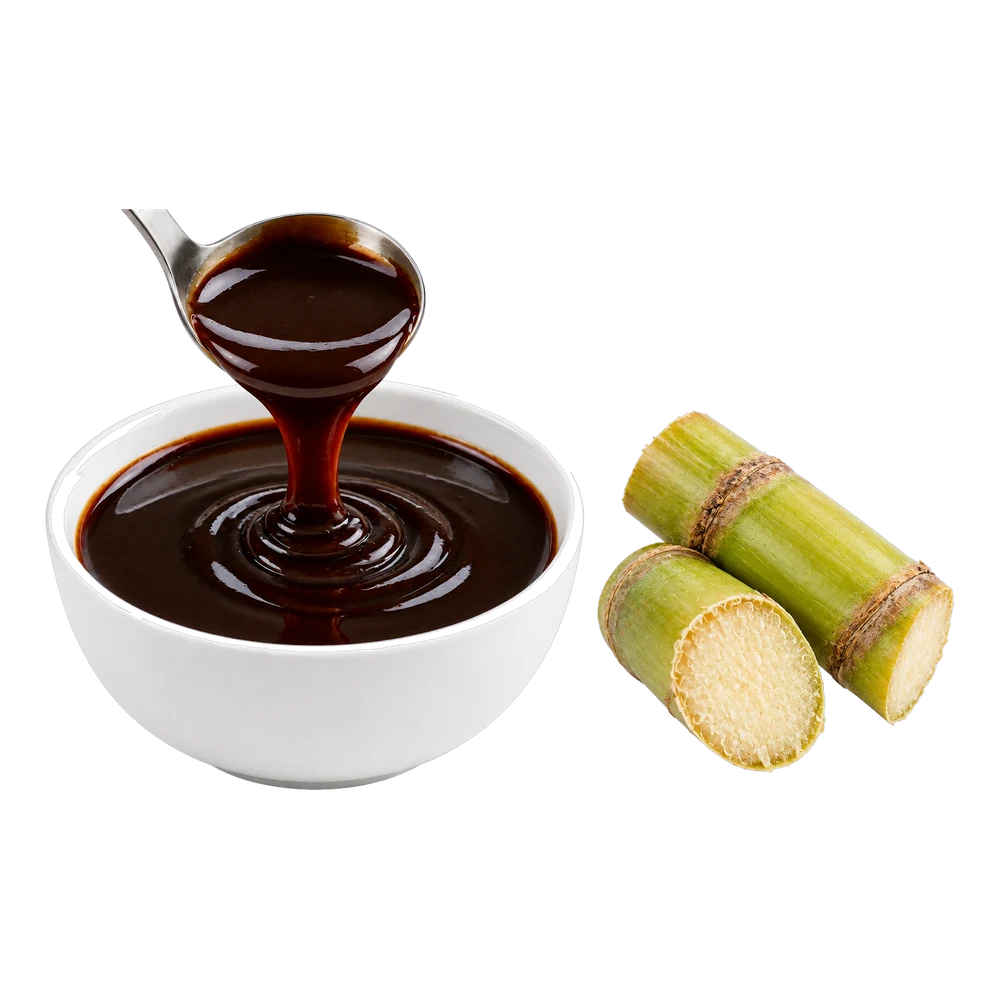
190 g · 355 g · 680 g jars
Dark, thick cane molasses for retail breakfast programs and bakery use.
Molasses follows its own specification sheet, confirmed for the selected program.
Sesame halva
Halva is tahini set with sugar into a flaky block. The plain line runs in three sizes; five nut and cocoa varieties run in the 275 gram tub on the same base.
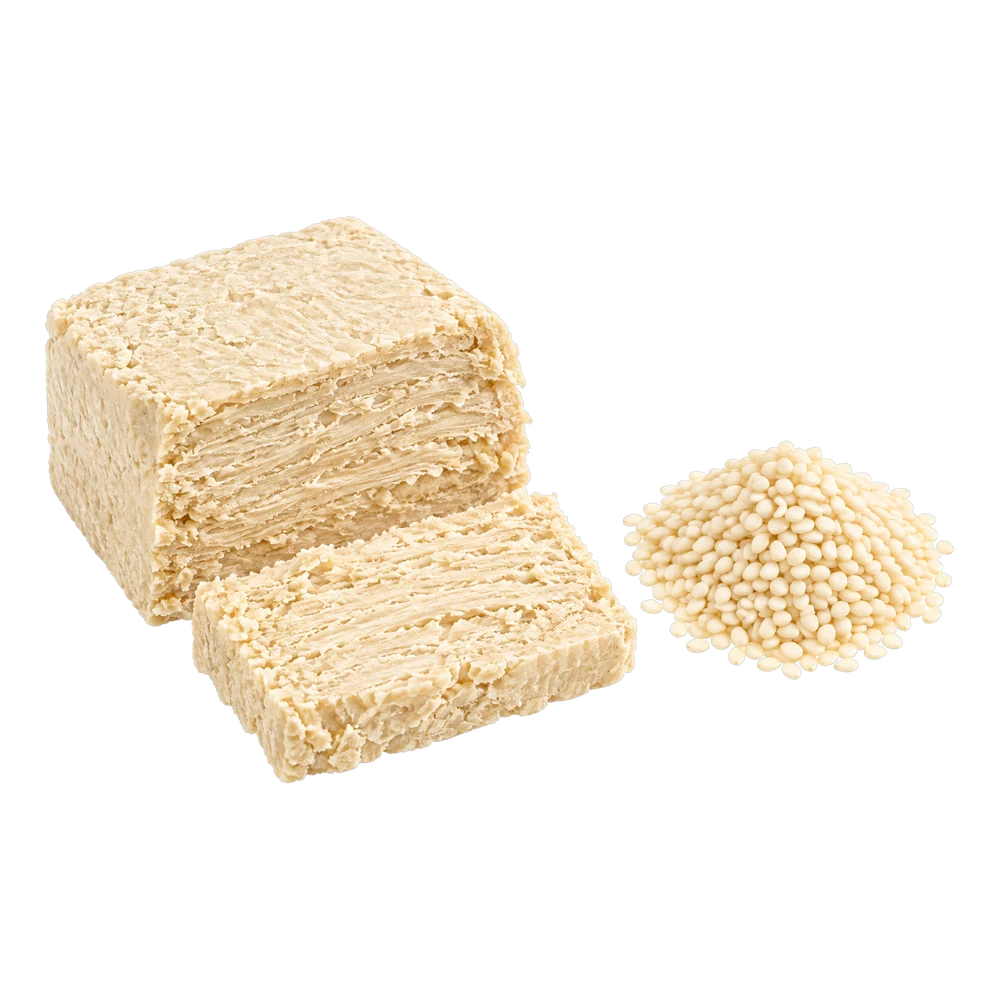
130 g · 255 g · 550 g tubs
The base line. Sesame halva with no inclusions, in three retail sizes.
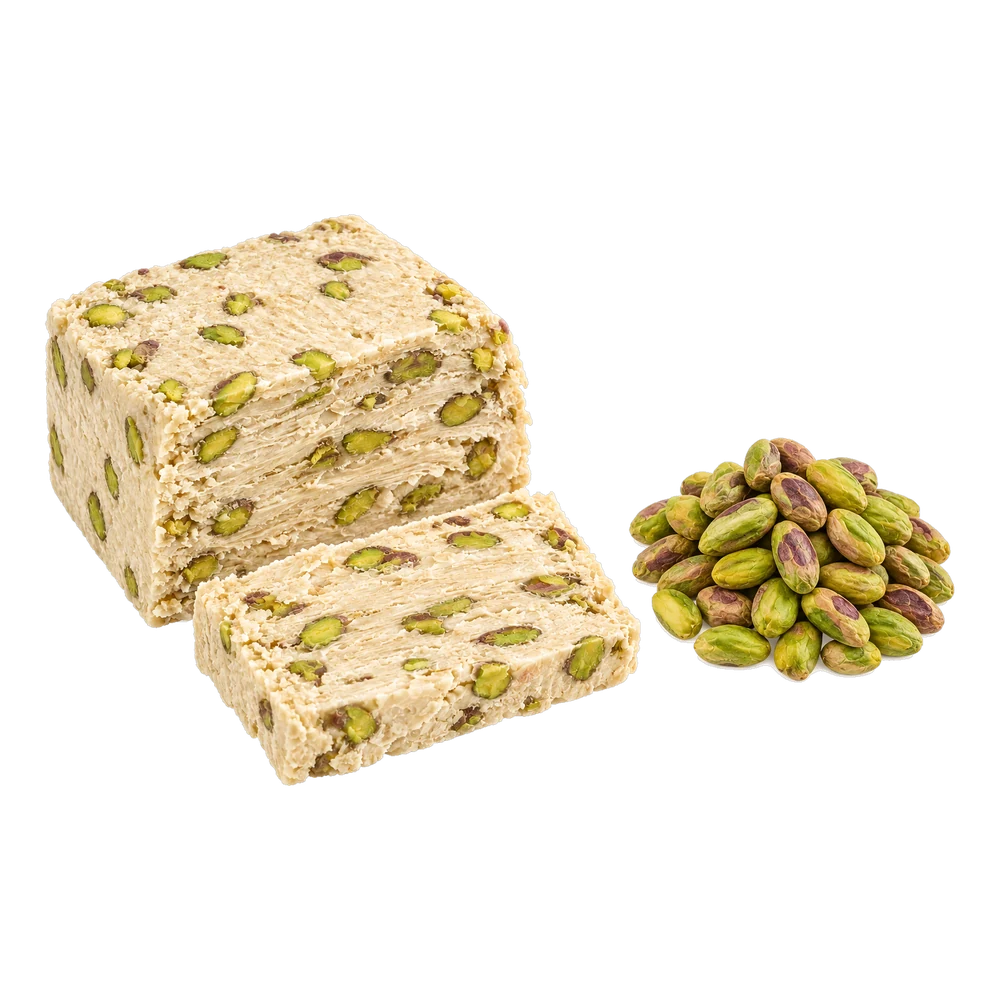
275 g tub
Whole pistachio kernels through the block.
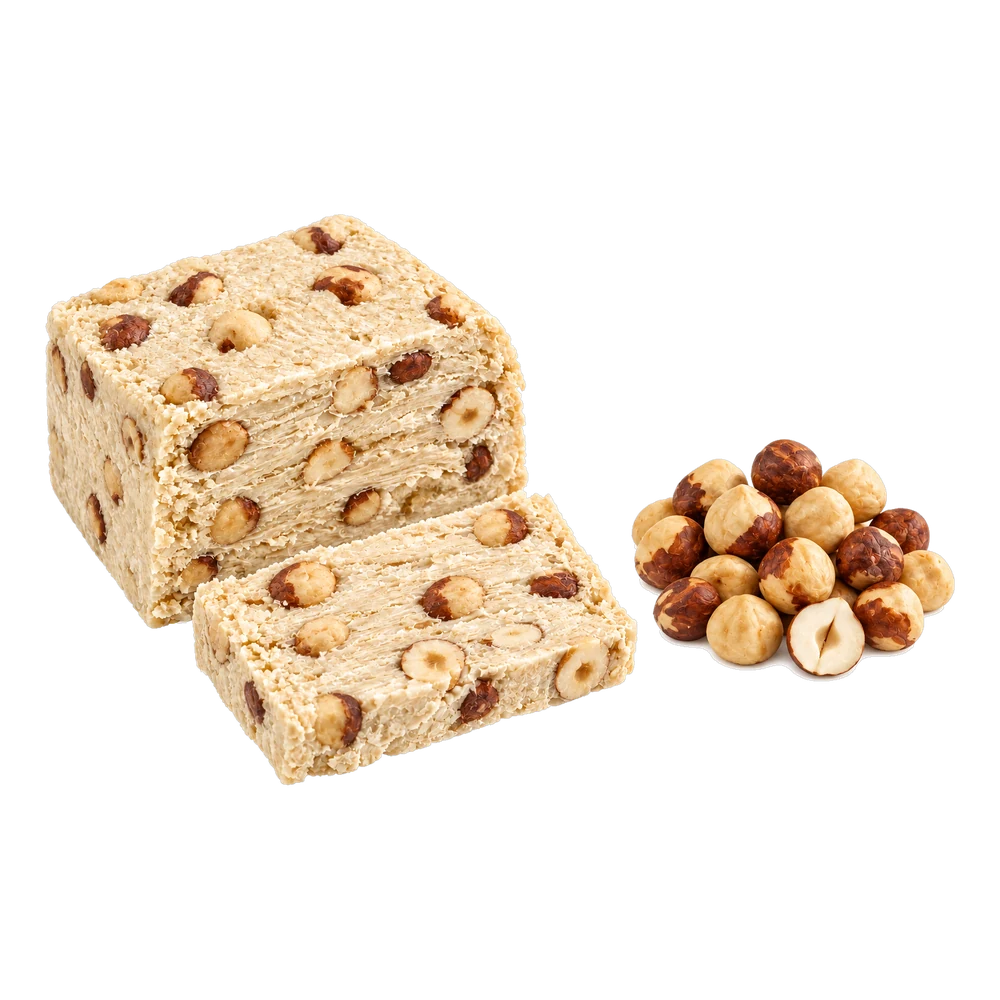
275 g tub
Whole roasted hazelnuts through the block.
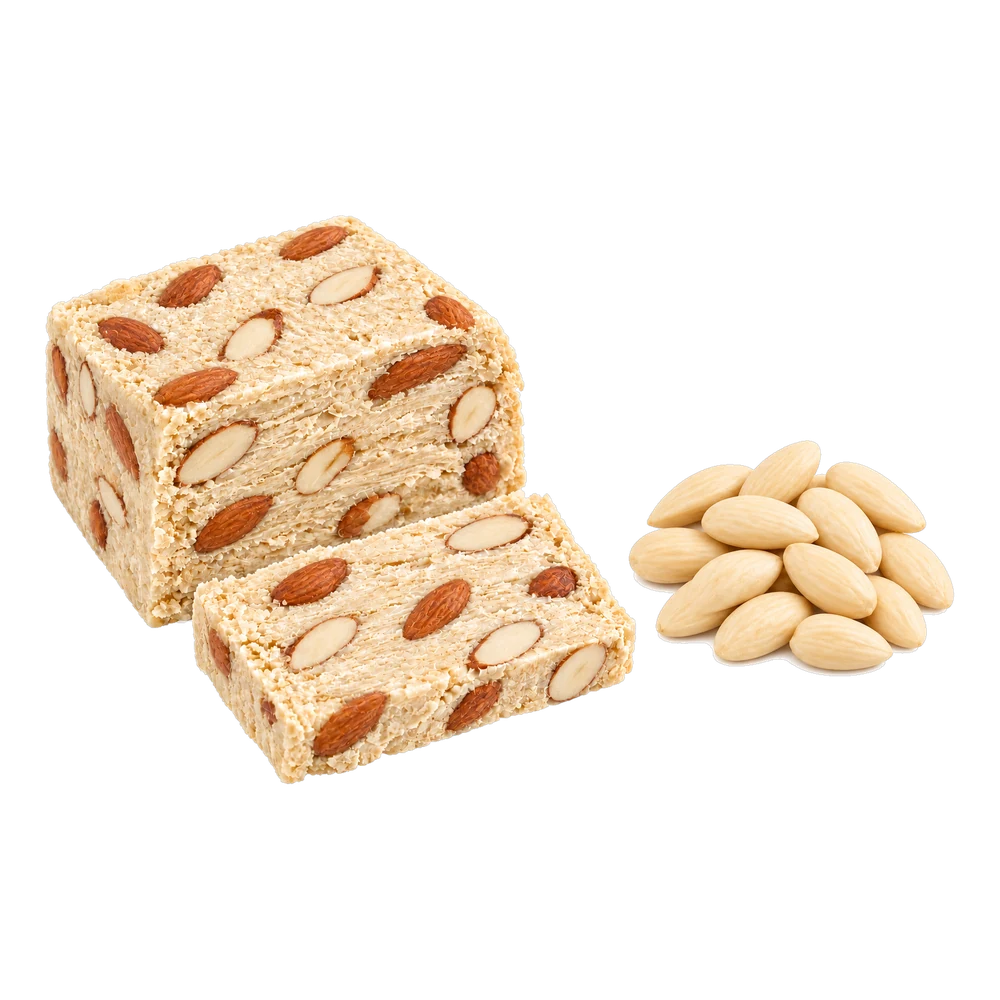
275 g tub
Whole almonds through the block.
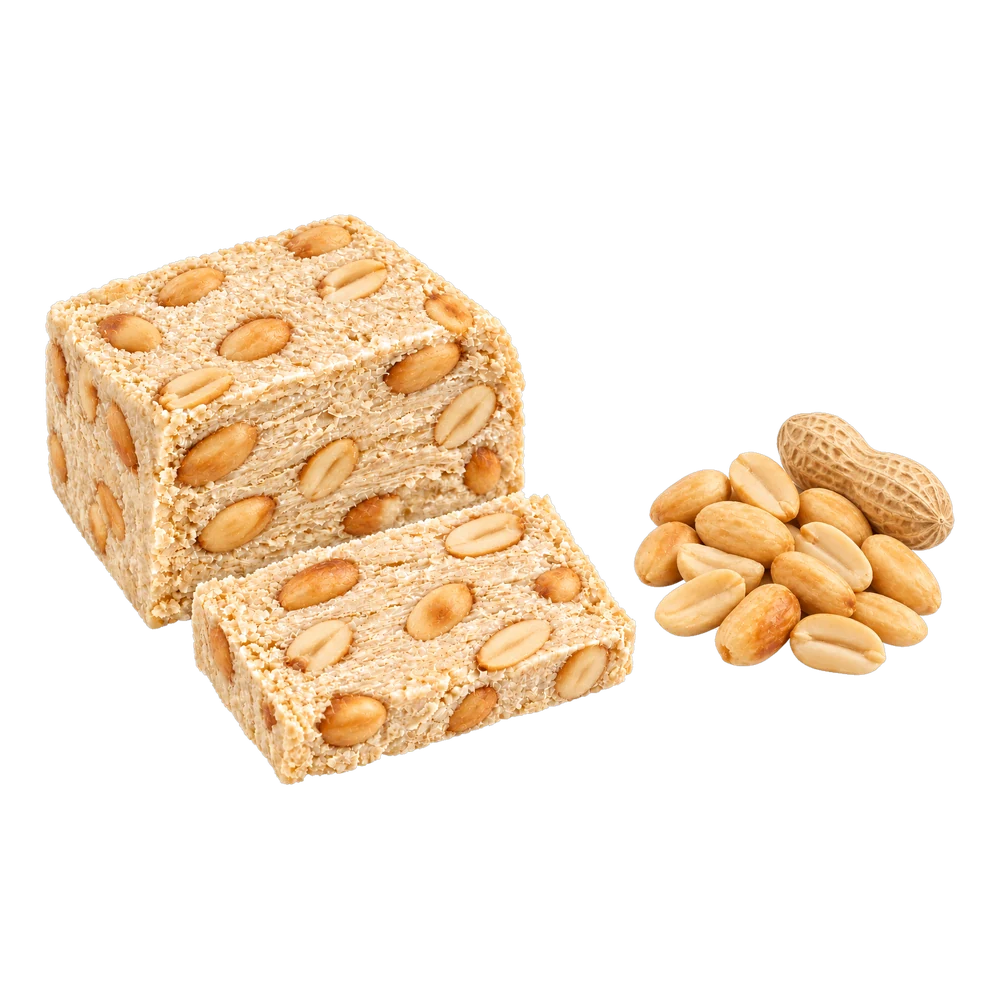
275 g tub
Roasted peanuts through the block, the volume nut variety.
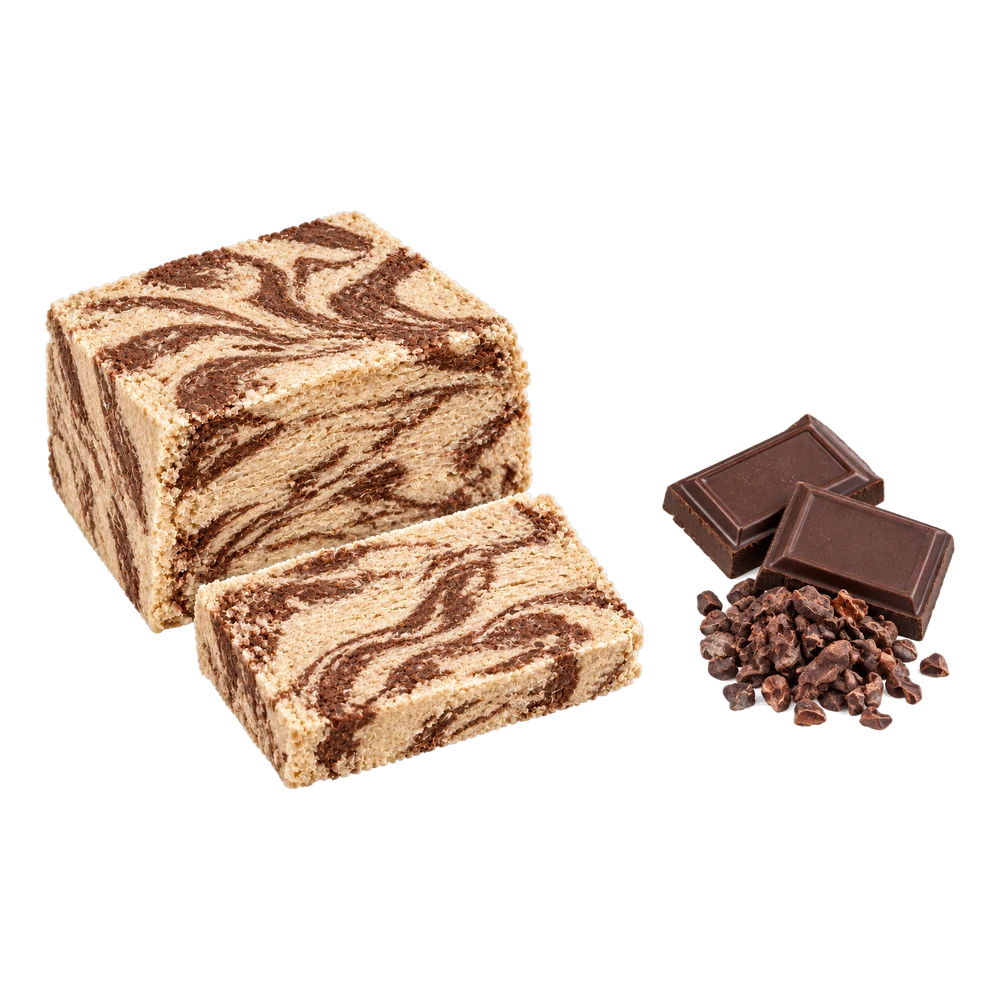
275 g tub
Cocoa marbled through the sesame base.
Each variety carries its own recipe sheet, with the nut content declared on the label.
The full range
Tahini, halva and molasses are bought together by the same importers and produced on the same sites, so they are quoted as one program where that suits the buyer. Pack sizes and units per case as produced today; private-label sizes are configured to the program.
100% hulled roasted sesame, ground to a smooth paste. The same paste in every size; the retail jars, polypropylene or PET, and the foodservice pails differ only in pack.
| Line | Pack sizes | Units per case |
|---|---|---|
| Tahini, retail jar | 125 g · 240 g · 480 g (4.4 · 8.5 · 16.9 oz) | 40 · 24 · 12 |
| Tahini, foodservice pail | 9 kg · 10 kg (19.8 · 22.0 lb) | Per program |
| Tahini, industrial pail | 18 kg (39.7 lb) | Per program |
Sesame halva on a tahini and sugar base. The plain line runs in three sizes; each nut variety carries its own recipe sheet in the 275 g tub.
| Line | Pack sizes | Units per case |
|---|---|---|
| Halva, plain | 130 g · 255 g · 550 g (4.6 · 9.0 · 19.4 oz) | 48 · 24 · 12 |
| Halva with pistachio | 275 g (9.7 oz) | 12 |
| Halva with hazelnut | 275 g (9.7 oz) | 12 |
| Halva with almond | 275 g (9.7 oz) | 12 |
| Halva with peanut | 275 g (9.7 oz) | 12 |
| Halva with chocolate | 275 g (9.7 oz) | 12 |
Sugarcane molasses, the traditional partner to tahini on the breakfast table and a bakery ingredient in its own right.
| Line | Pack sizes | Units per case |
|---|---|---|
| Sugarcane molasses | 190 g · 355 g · 680 g (6.7 · 12.5 · 24.0 oz) | 24 · 24 · 12 |
Pack sizes and units per case are fixed on the program specification before artwork is prepared. Chocolate and other sweet spreads are assessed per requirement through the RFQ.
Request the full current rangePackaging
Six formats across retail, foodservice and industrial use. Retail tahini ships in polypropylene or PET jars, bulk tahini in food-grade pails; halva in round tubs and molasses in jars. Every format takes private-label artwork.
Illustrative pack; final artwork confirmed for the program.
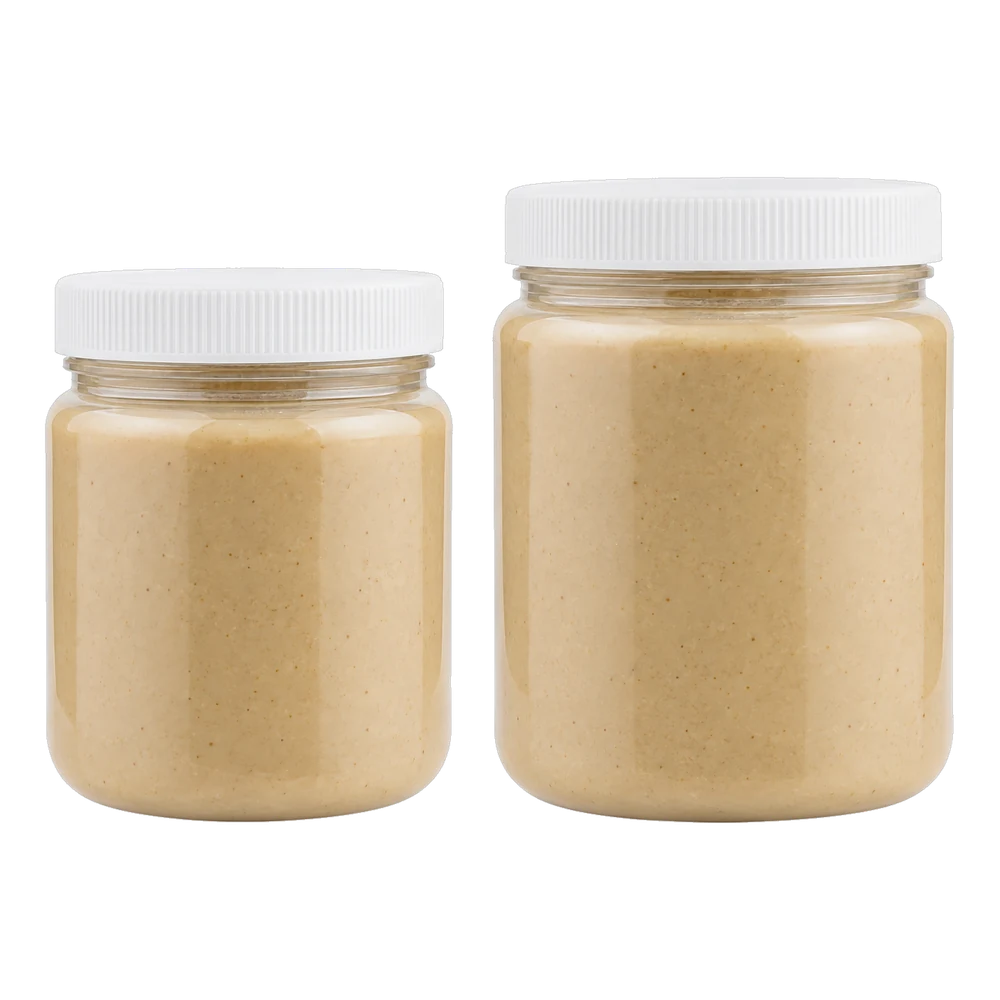
125 g · 240 g (4.4 · 8.5 oz)
The two shelf sizes, in a polypropylene jar with a polypropylene lid or in a PET jar, as the program requires; 40 per case for 125 g and 24 per case for 240 g.
See tahini lines →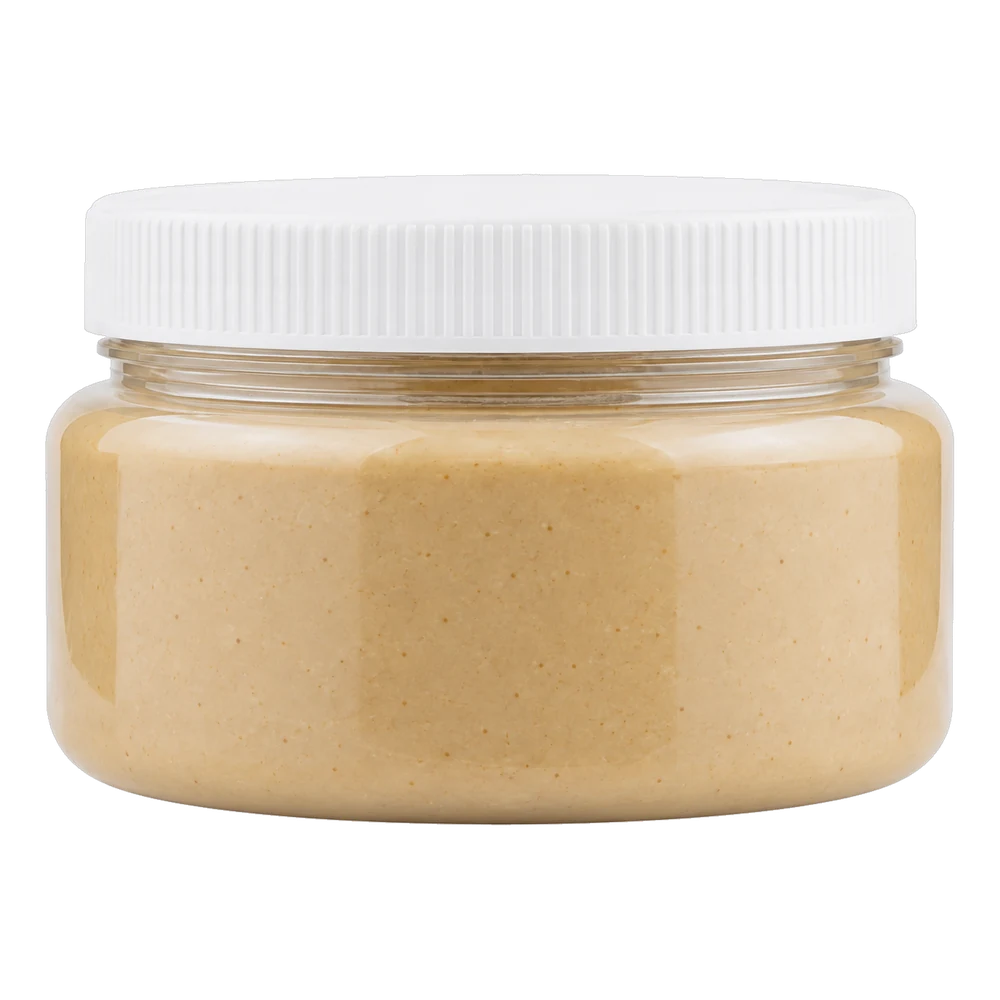
480 g (16.9 oz)
The family and small-kitchen size, in the same polypropylene jar or in PET.
See tahini lines →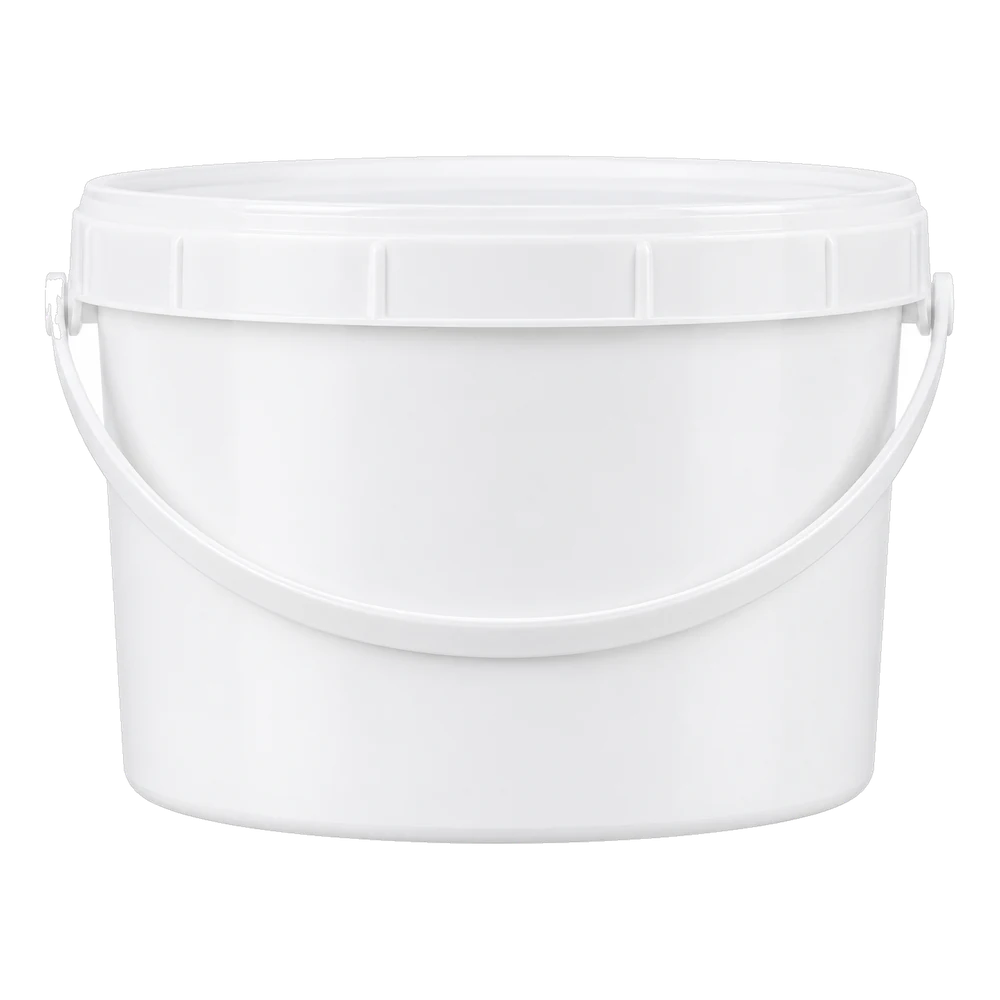
9 kg · 10 kg (19.8 · 22.0 lb)
Food-grade pail with a sealed lid for hummus lines, bakeries and repacking.
Request a quote →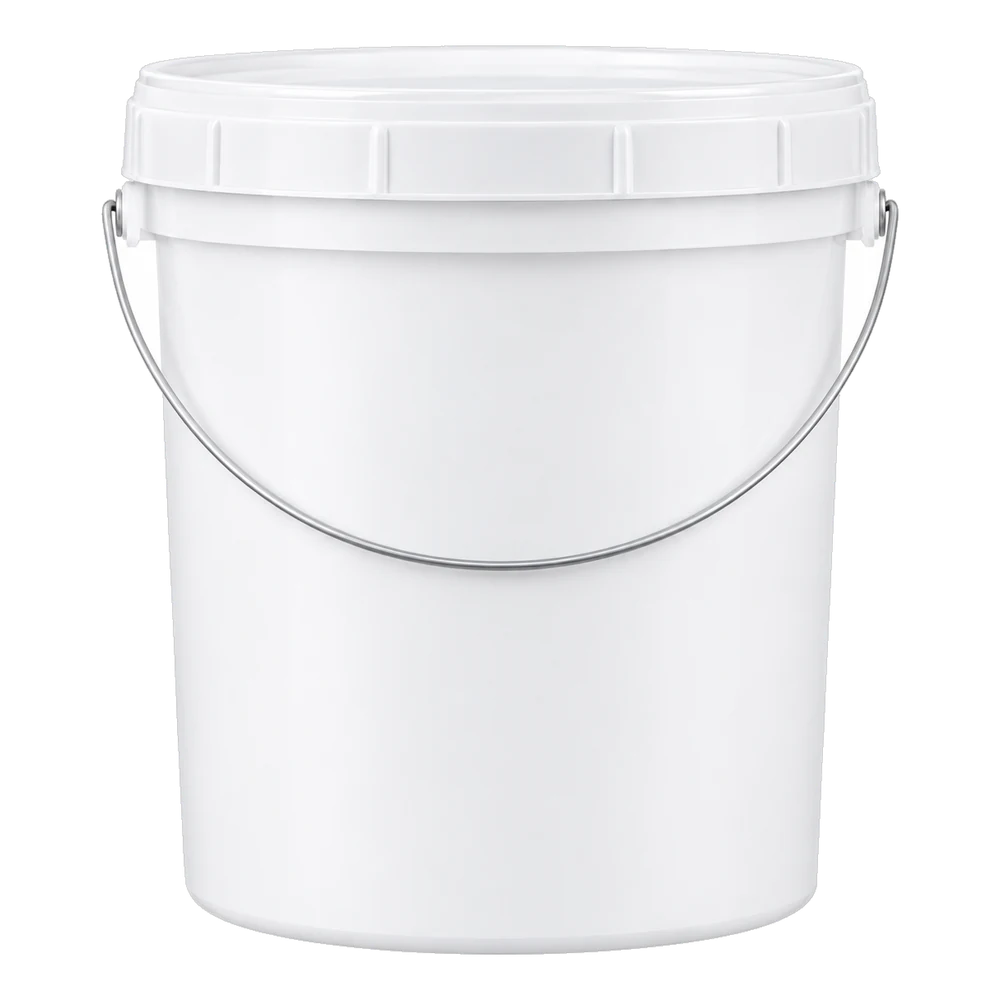
18 kg (39.7 lb)
The industrial pail for high-volume kitchens and food manufacturing.
Request a quote →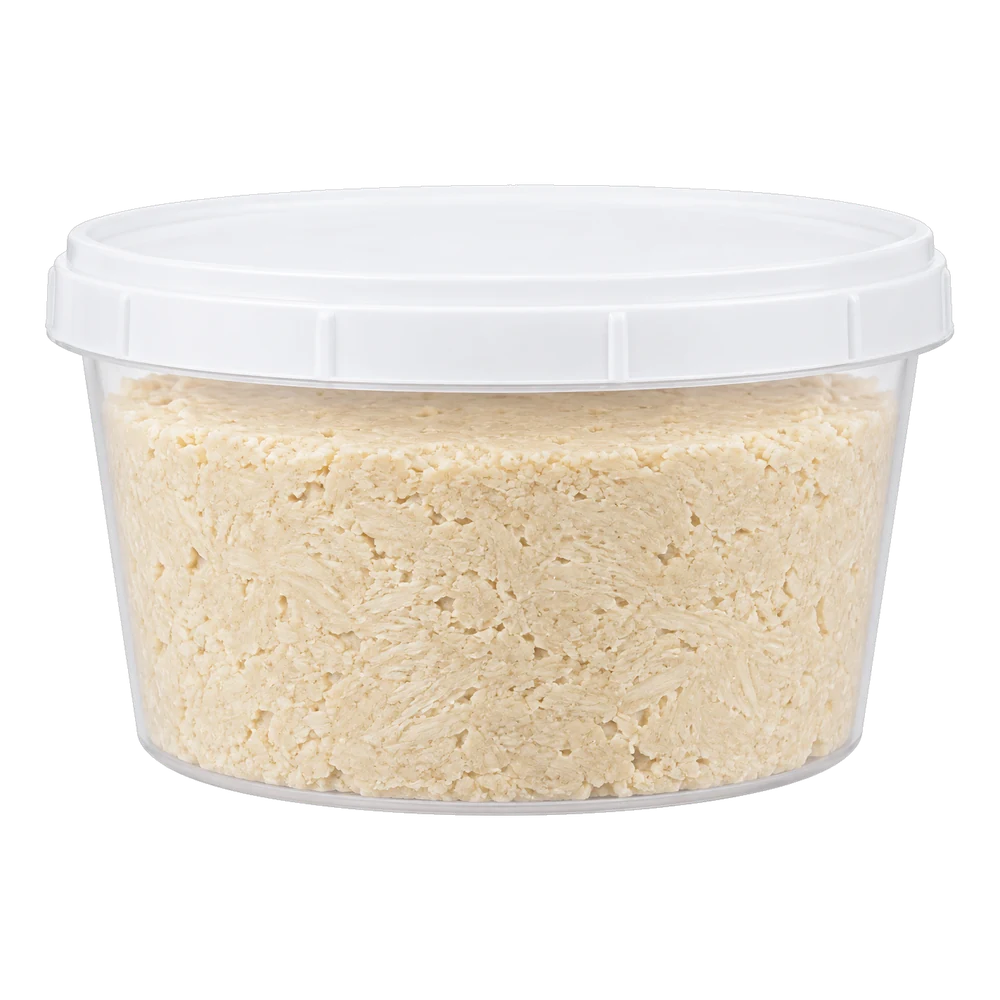
130 g · 255 g · 275 g · 550 g (4.6 – 19.4 oz)
Round tub with a lid. Plain halva in 130, 255 and 550 g; the nut and cocoa varieties in 275 g.
See halva lines →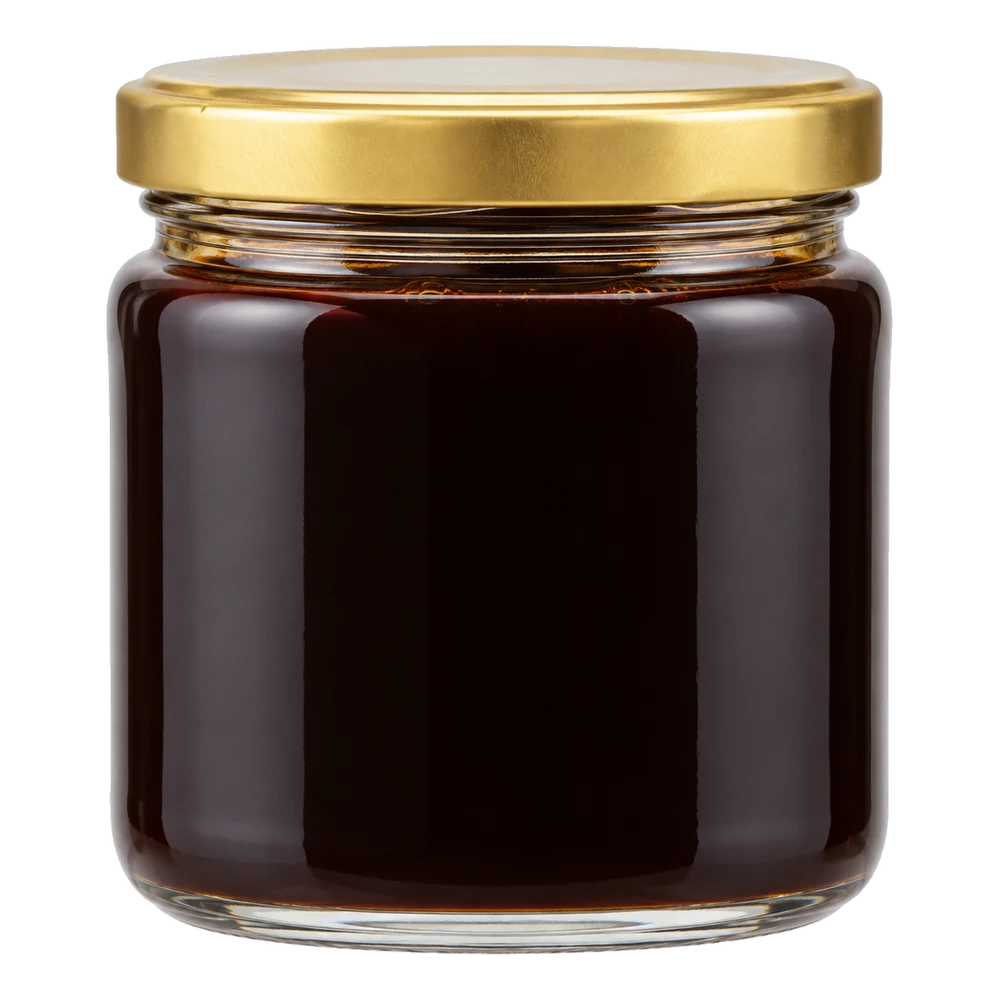
190 g · 355 g · 680 g (6.7 · 12.5 · 24.0 oz)
Jar with a metal cap for sugarcane molasses, 24 per case up to 355 g and 12 per case for 680 g.
See tahini lines →Private label
Product, grade, pack format, artwork and label declarations are configured under your brand, with analysis and documentation aligned to the destination market before the first shipment.
Tahini, halva variety or molasses selected, and the grade fixed against a retained sample.
Jar in polypropylene or PET, tub or pail chosen for the channel, with units per case set for the pallet plan.
Label prepared with the sesame allergen declaration, nutrition panel and ingredient list the destination market requires.
Analysis against ES 941/2006 and the destination standard, specification and labeling reviewed before the first order.
Supply execution
Samples follow once a program, specification and commercial terms are agreed.