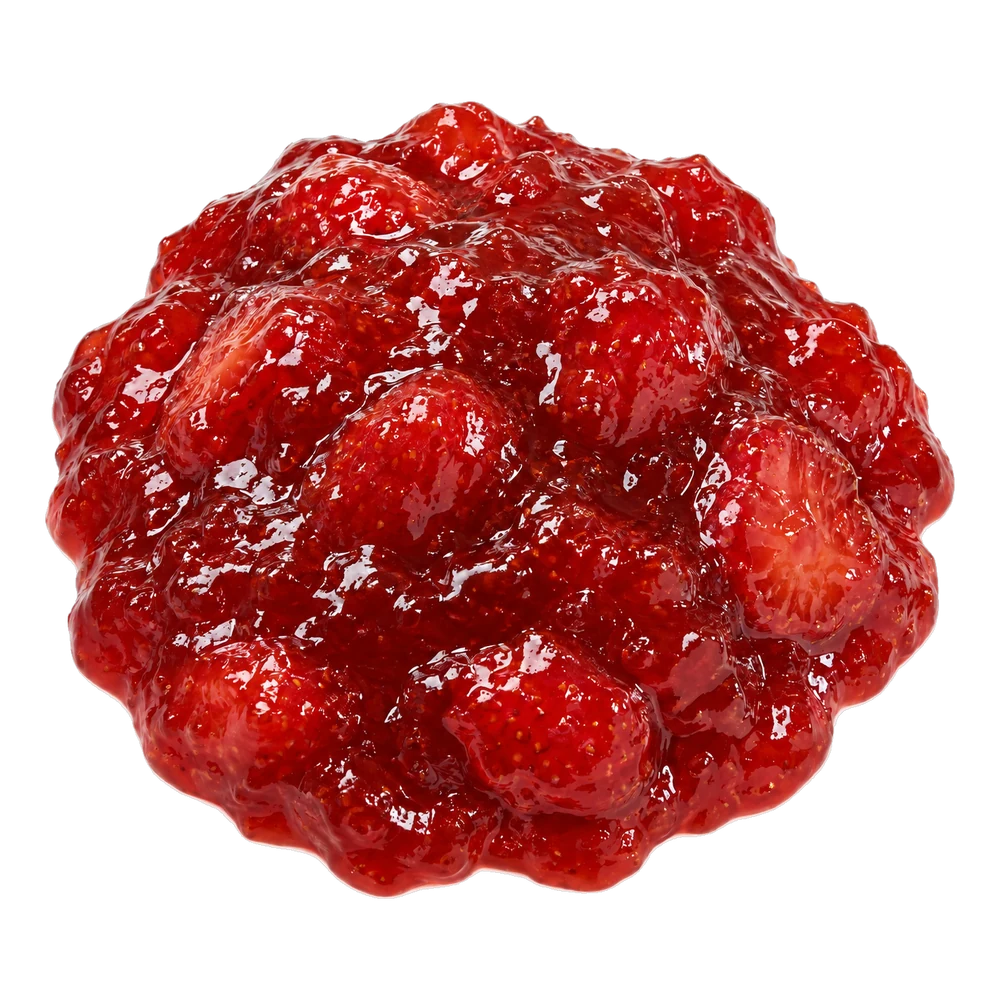
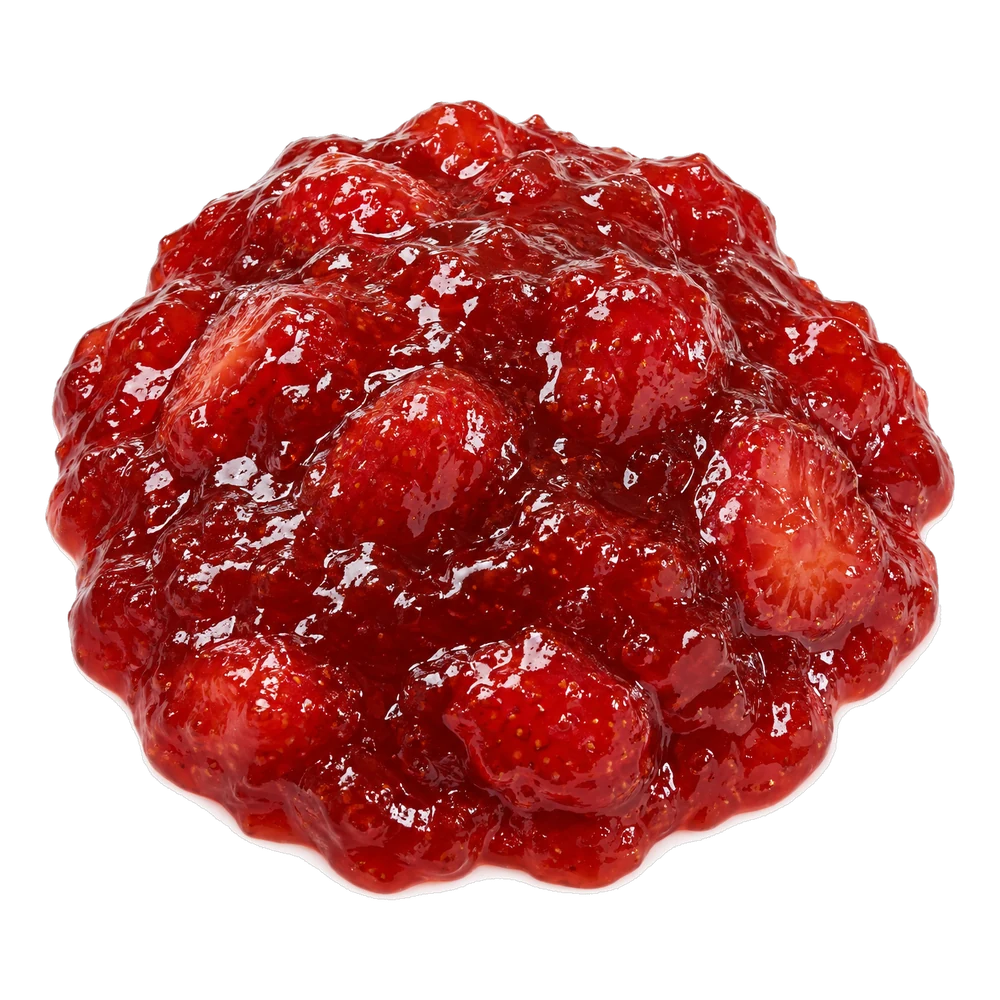
Strawberry jam
45% fruit · Brix 65 minimum
The reference line. Full specification published above.
Jams, jellies & fruit spreads
Fruit jams and spreads photographed close, spooned and glossy
Fruit jams, jellies, preserves and spreads for retail and foodservice, from a 20 gram portion to a catering pail.
Jam, jelly, preserve and spread are four different products, not four words for the same one. Fruit content and soluble solids separate them, they are declared differently on a label, and a program is quoted against the class before the flavour is chosen.
Reference product
The highest-volume line in the range and the one carrying the fullest documentation, so its complete specification is published below. Every other flavour follows the same production standard at its own fruit content, confirmed for the selected program.
Technical specification
The specification for the reference line, with the analysis method recorded against each limit. Each flavour carries its own sheet at its own fruit content.
| Fruit | 45%, strawberry pieces and pulp |
|---|---|
| Sugar | 54.35% |
| Pectin | 0.35%, as the thickening agent |
| Citric acid | 0.30%, as the acidifying agent |
| Colour | No artificial colour in the fruit jam lines |
| Soluble solids, Brix | Not less than 65%, method ISO 2173 |
|---|---|
| pH | 2.9 to 3.2, method ISO 1842 |
| Texture | Semi-solid, spreadable |
| Colour and flavour | Characteristic of the fruit the product is labelled after |
| Reference standard | CODEX STAN 296-2009, amended 2017 |
| Total plate count | Not more than 8,000 cfu per g, method ISO 4833 |
|---|---|
| Yeast and mould | Below 10 cfu per g, method ISO 21527-2 |
| Total coliforms | Below 10 cfu per g, method ISO 4832 |
| Escherichia coli | Below 10 cfu per g, method NMKL 125:2005 |
| Staphylococcus aureus | Below 10 cfu per g, method ISO 6888-1 |
| Salmonella | Not detected in 25 g, method ISO 6579 |
| Energy | 52 kcal |
|---|---|
| Total fat | 0 g |
| Total carbohydrate | 13 g, of which sugars 13 g |
| Dietary fibre | 0 g |
| Protein | 0 g |
| Sodium | 10 mg |
| Shelf life | 18 to 24 months, set against the legislation of the market of retail sale |
|---|---|
| Storage | Cool and dry, 20 to 25 degrees Celsius, away from humidity and direct sunlight |
| After opening | Closed tightly and refrigerated, best consumed within one week |
| Closure | Safety-button cap under vacuum, 35 cmHg |
| Head space | Below 10%, method CAC/RM 46-1972 |
| Stacking | Palletised, no more than 15 cartons high |
| Order and schedule | Minimum order, lead time and delivery schedule are defined by the nature and breakdown of each supply program - product, format, brand and destination - and confirmed with the quotation. |
|---|---|
| Incoterms and payment | Programs are executed under Incoterms® 2020 - FOB, CFR, CIF, and DAP or DDP for selected destinations. Payment terms and shipment plan are confirmed with the quotation. |
Shelf life is counted from the date of production. Remaining shelf life at delivery depends on the production slot and transit for the selected program and is stated on the program sheet.
Quality documentation is confirmed for the selected program and destination market. Batch-specific analysis, applicable certificates and export documentation are provided to qualified buyers. Compliance and quality · US import compliance and FSVP.
Physical, chemical and microbiological results are issued per lot against the agreed specification, with the analysis method recorded beside each limit.
Figures are the specification limits for the reference line and are confirmed on the program specification before order.
Jam
The classic jams, all produced on the same base: 45% fruit, not less than 65% soluble solids, pH 2.9 to 3.2, and no artificial colour.
45% fruit · Brix 65 minimum
The reference line. Full specification published above.
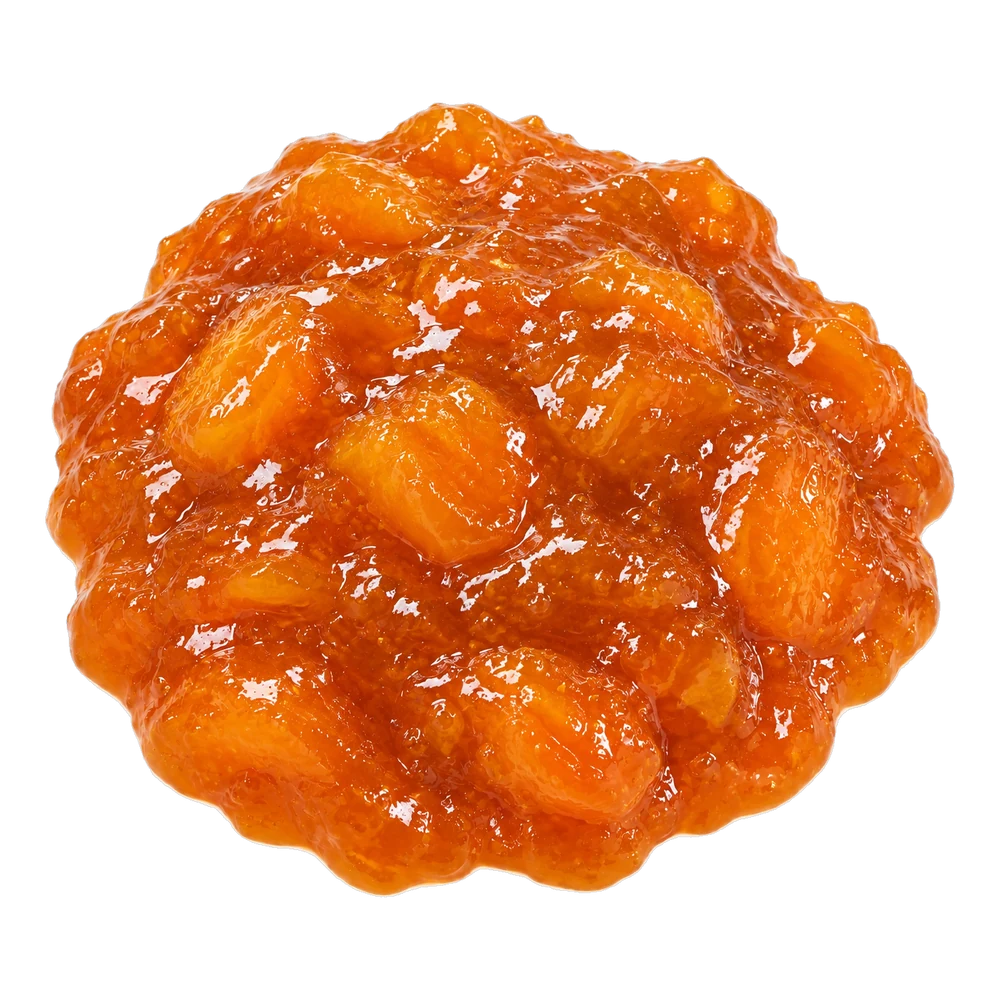
45% fruit
Apricot pieces and pulp on the standard jam base.
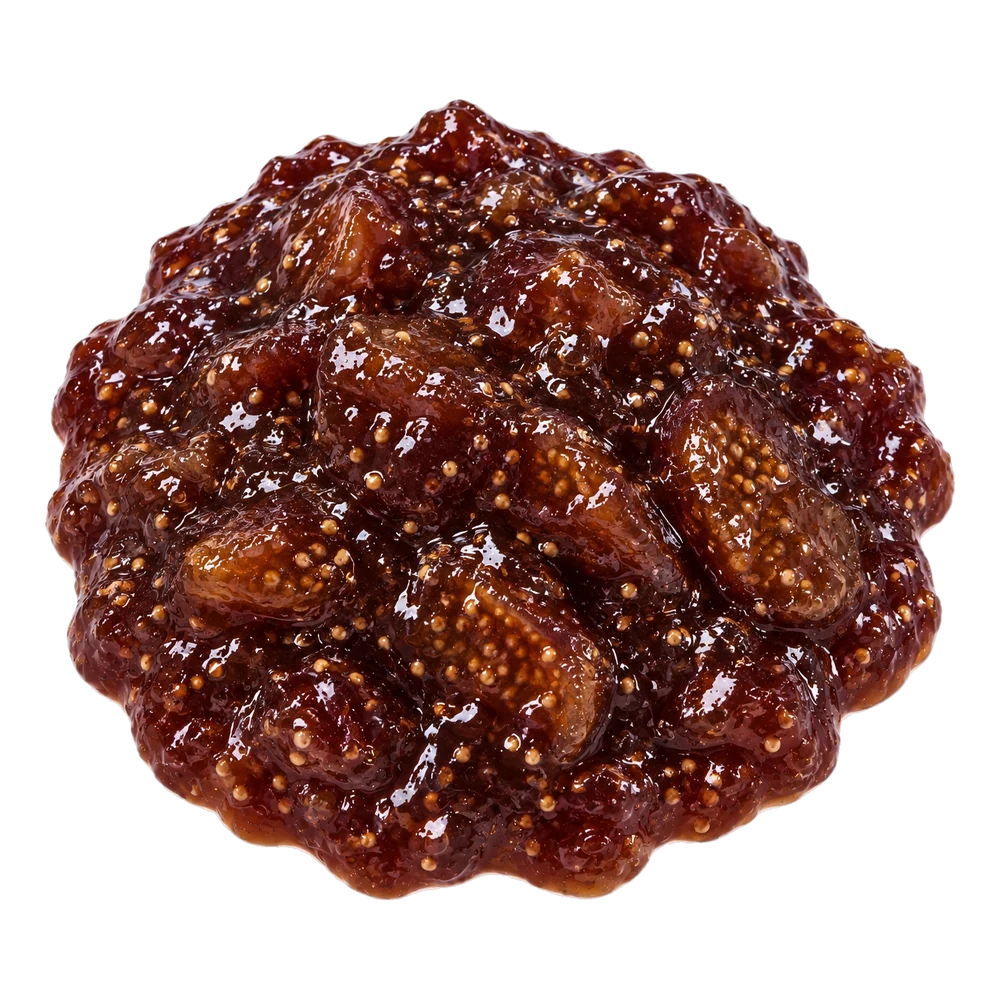
45% fruit
Whole-fruit fig jam, the densest of the classic set.
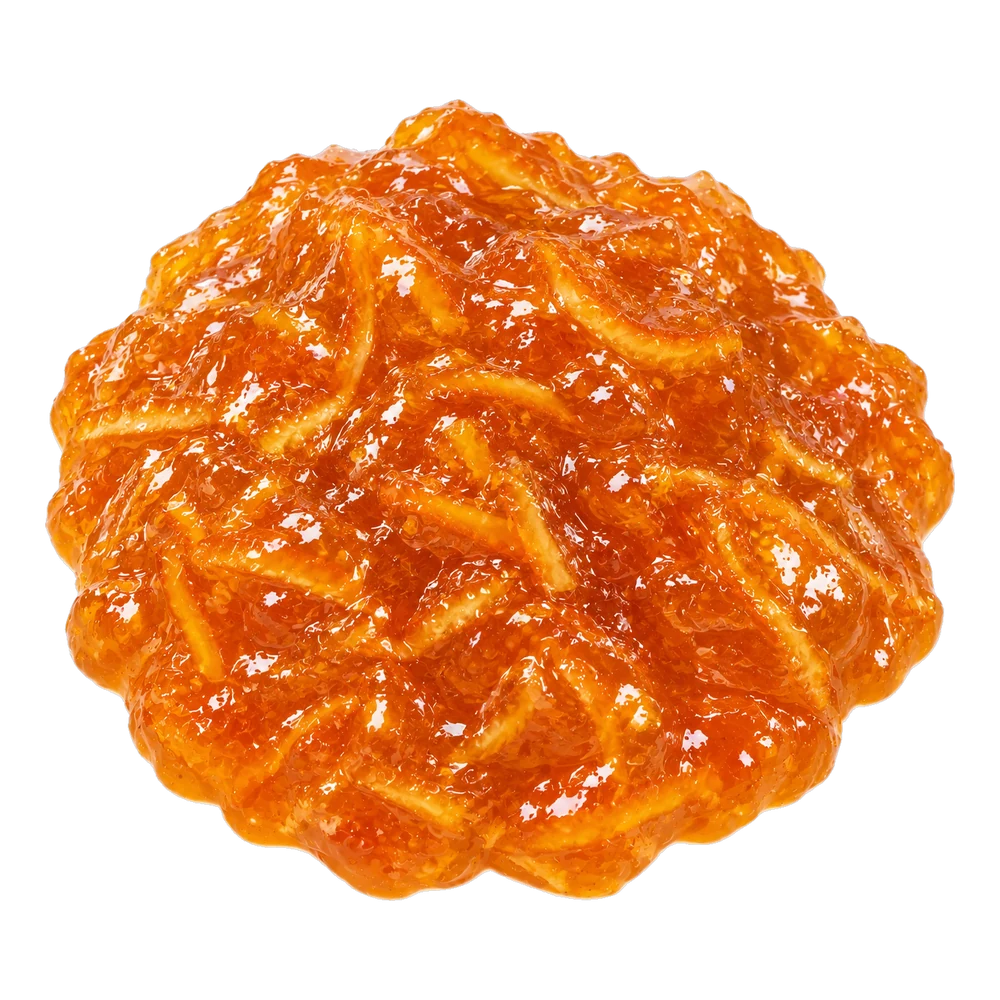
33% fruit · 12% peel
The only line carrying declared peel, which is what makes it a marmalade rather than a jam.
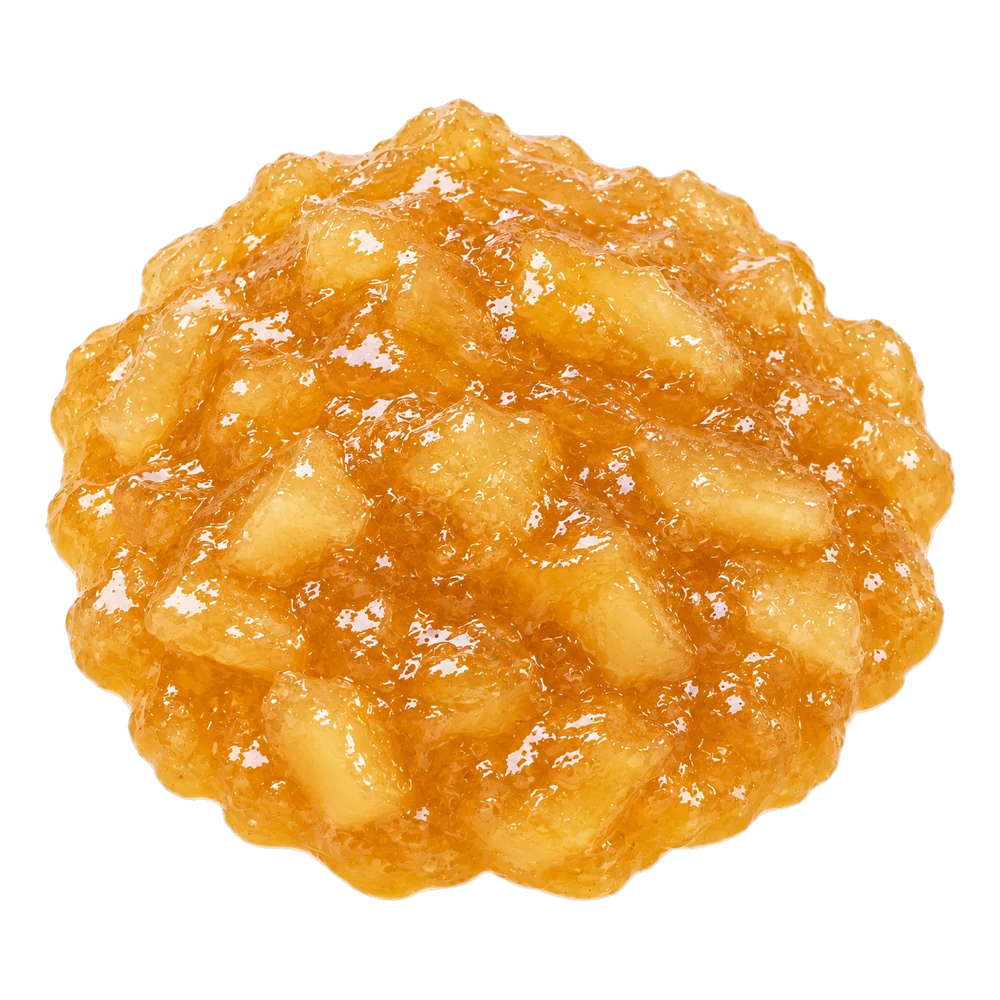
45% fruit
Mild apple jam, also the carrier fruit in one of the blends.
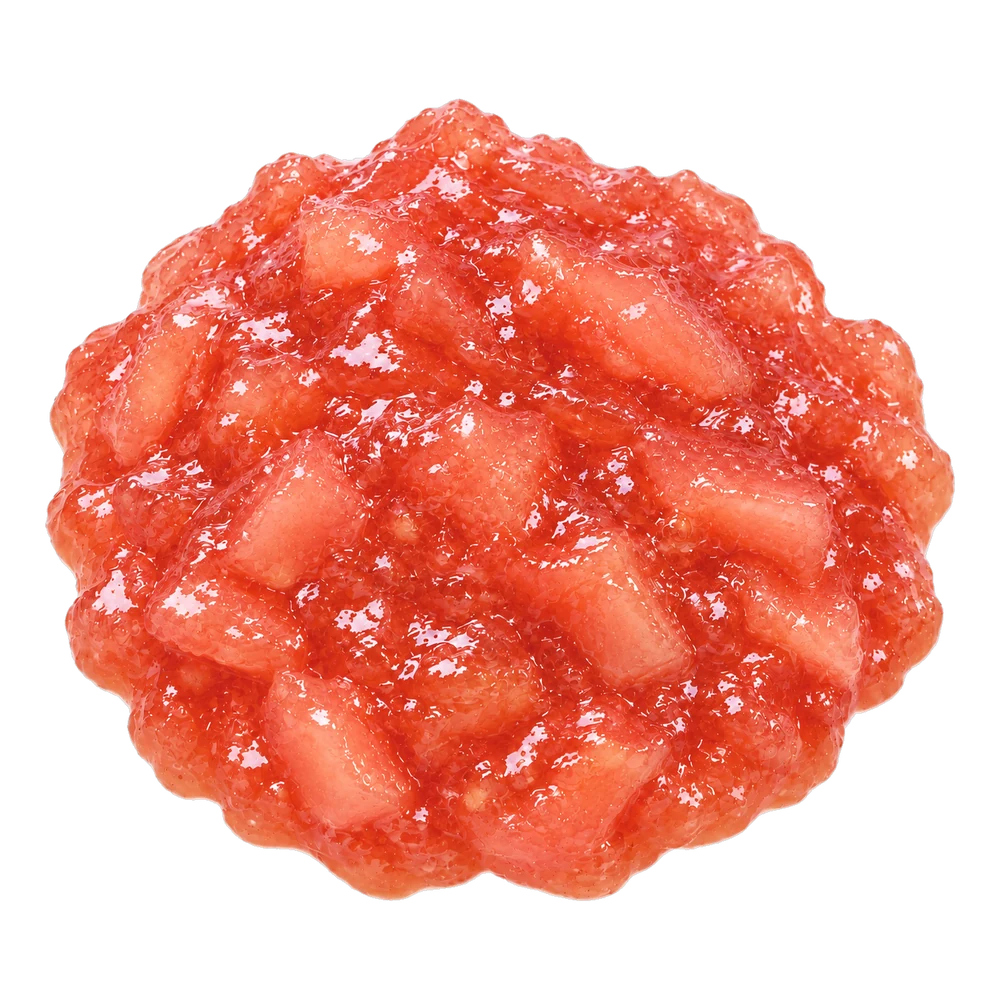
45% fruit
Tropical guava, produced single-fruit and blended with strawberry.
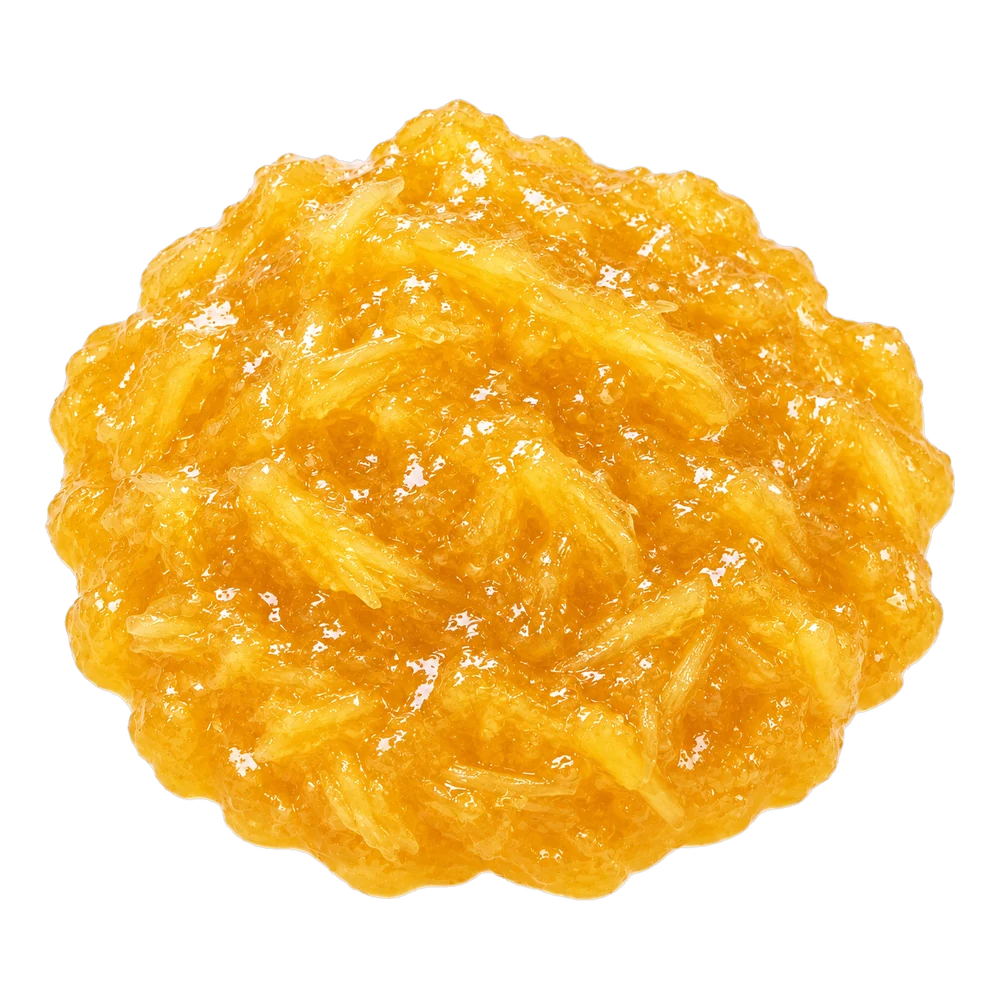
45% fruit
Pineapple jam with a light natural pineapple flavour declared.
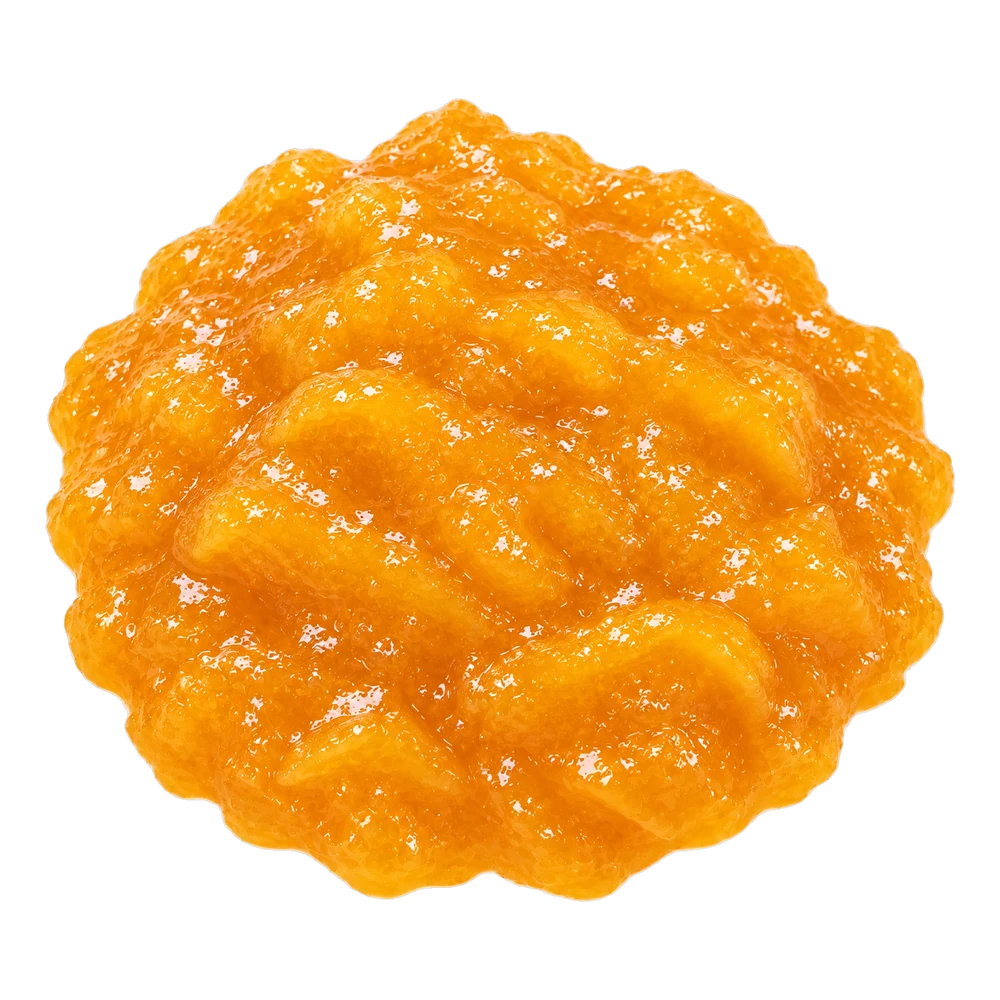
45% fruit
Mango pulp on the standard jam base.
Each flavour carries its own specification sheet at the fruit content shown.
Berry
The berry set, on the same 45% fruit base. Colour retention through an 18 to 24 month shelf life is the technical problem these recipes solve.
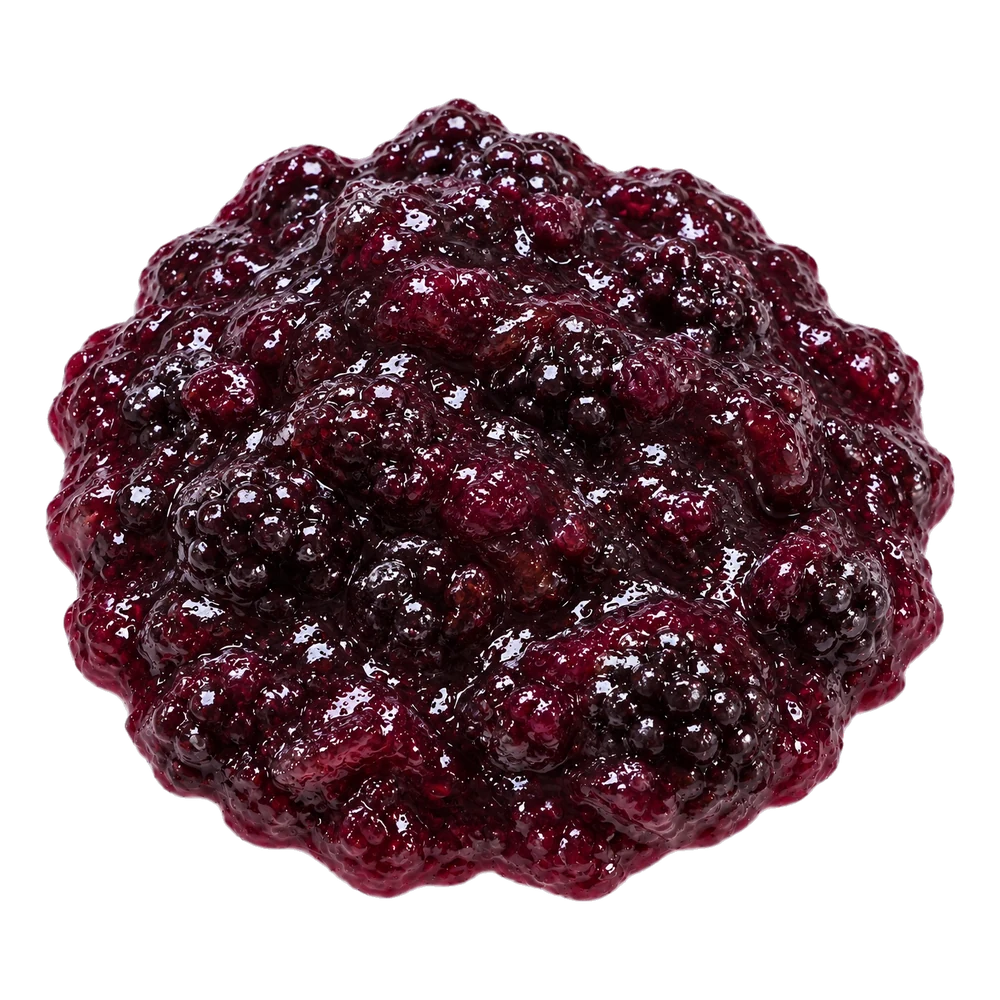
45% fruit
Deep blackberry jam, with a declared caramel and mulberry colour to hold the shade.
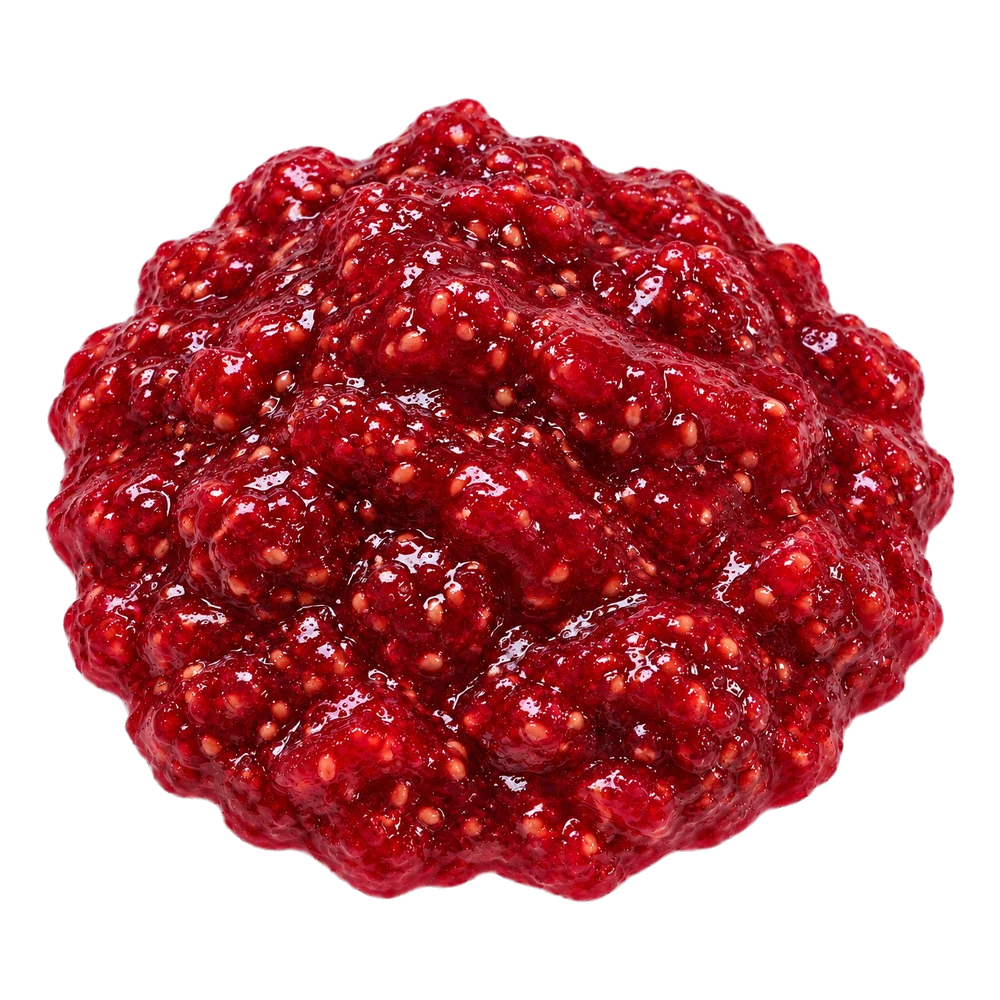
45% fruit
Raspberry jam with seeds through it, on the standard base.
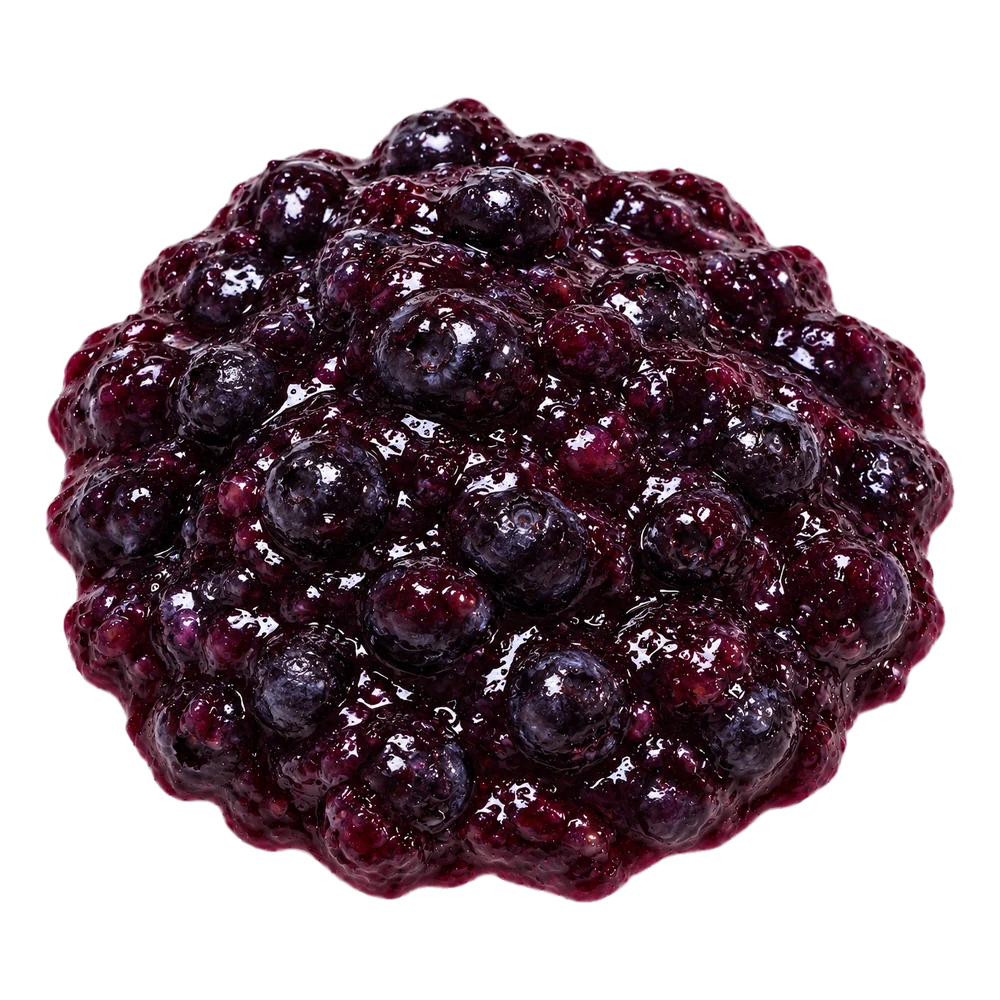
45% fruit
Blueberry jam, the lightest acid load of the berry set.
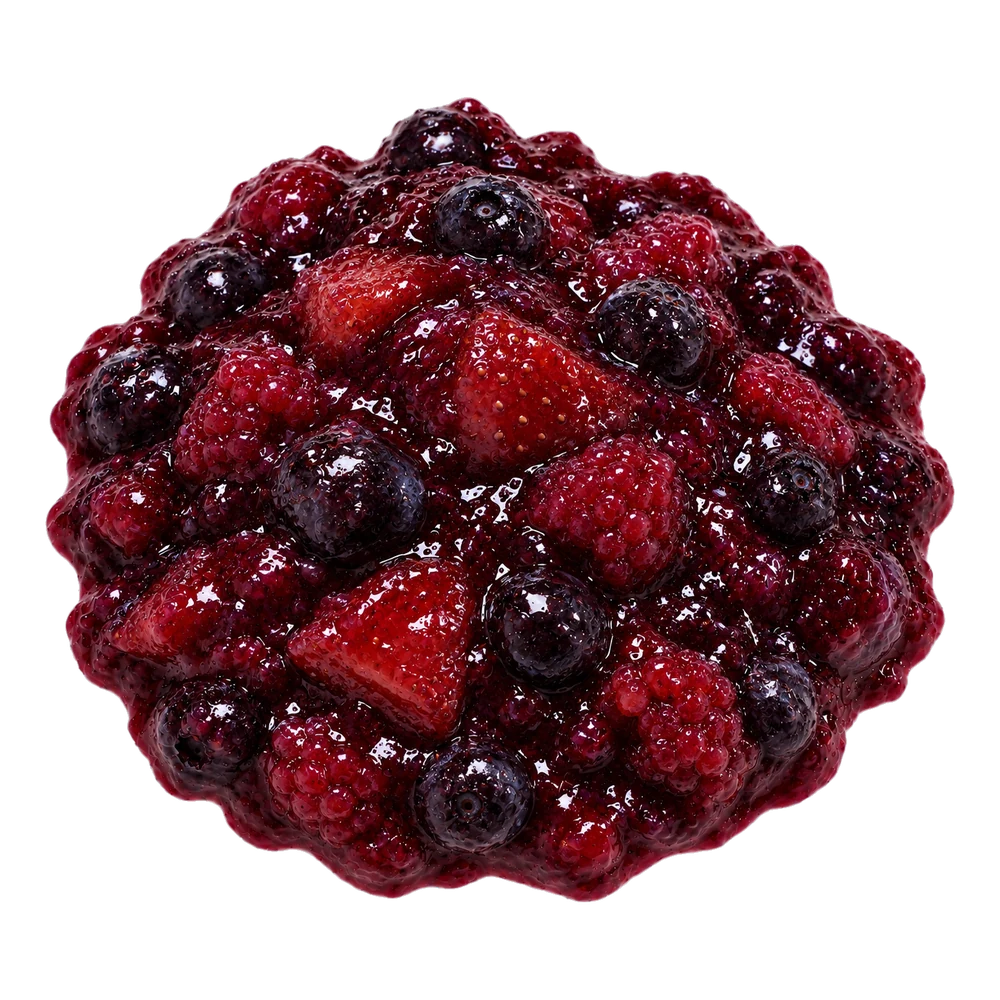
20% strawberry · 15% raspberry · 10% blueberry
Three berries to a declared ratio rather than an unspecified mix.
Where a permitted colour is used it is declared on the label for the destination market.
Blends
Blended recipes at the same 45% total fruit. The ratio is published because it drives both the flavour and the target cost.
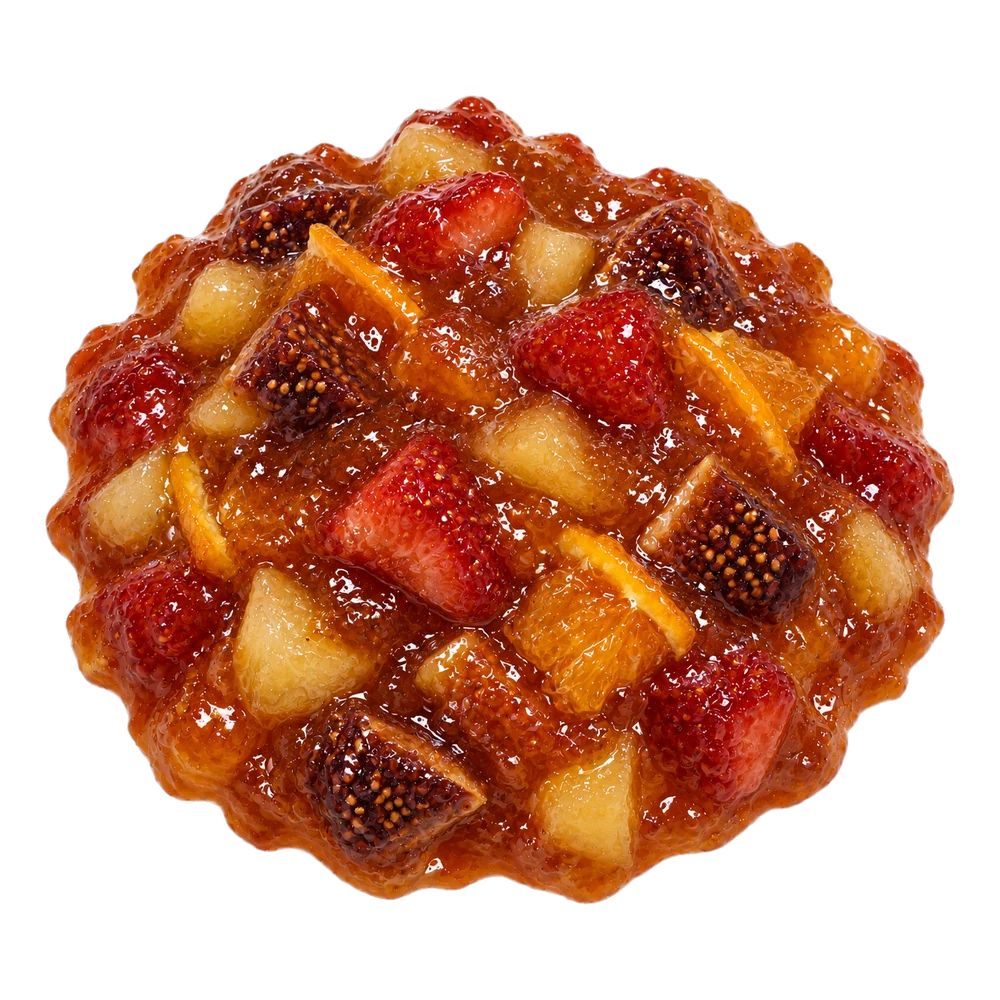
6% strawberry · 12% apple · 12% orange · 15% fig
The four-fruit blend, the broadest flavour in the range.
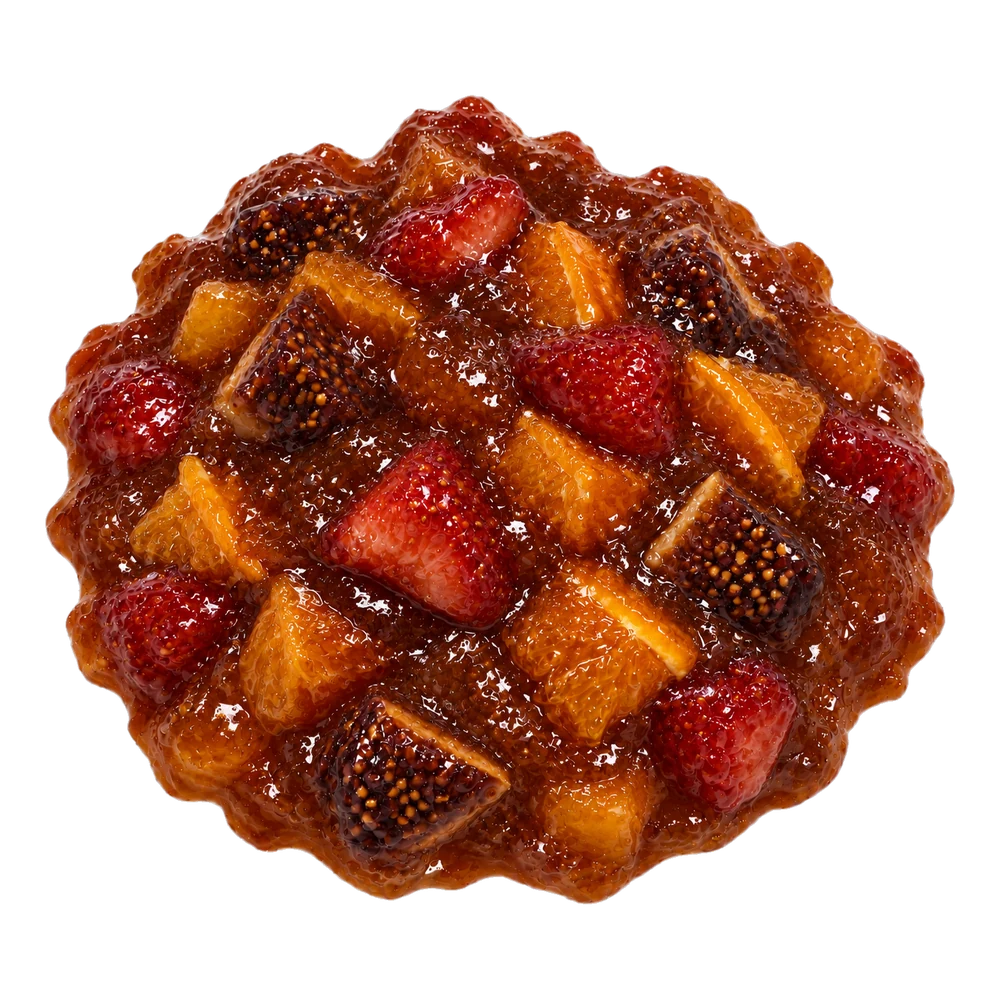
10% strawberry · 16% orange · 19% fig
The same blend built on fig and orange, for programs that exclude apple.
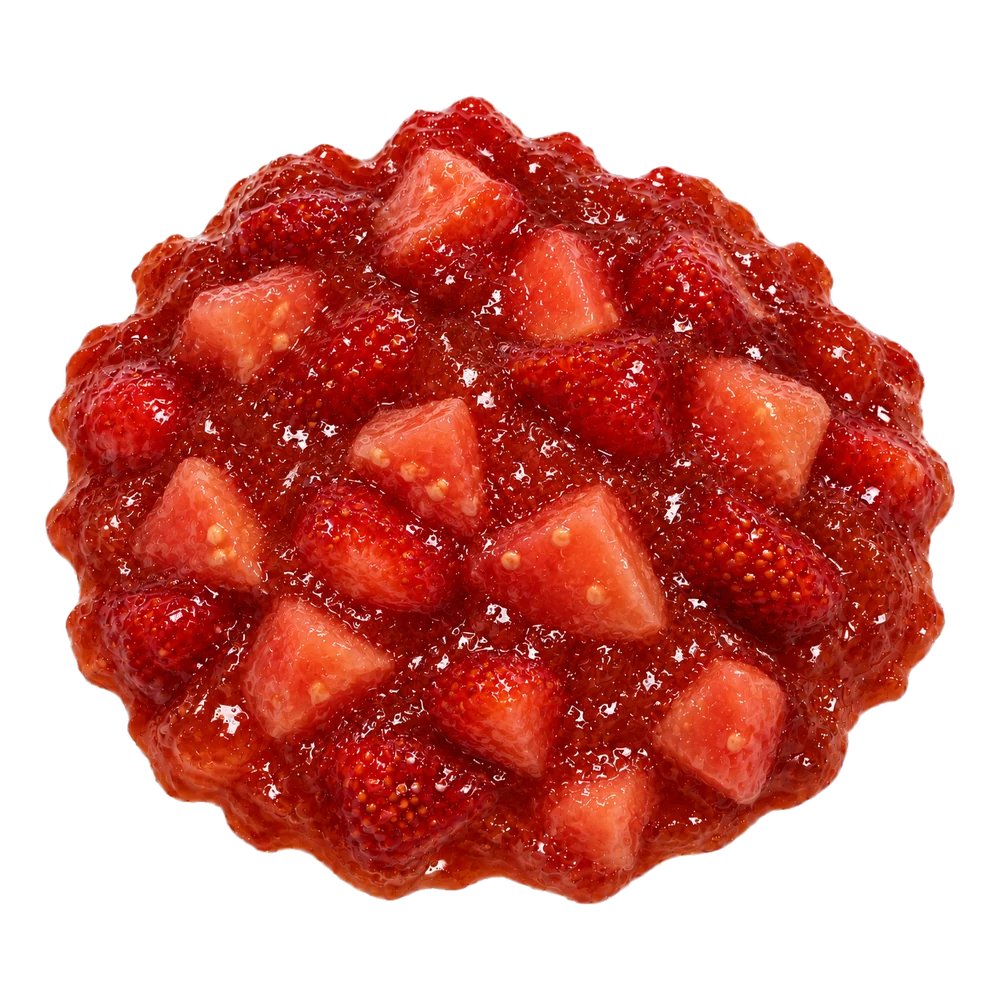
27.5% strawberry · 17.5% guava
A two-fruit blend, strawberry led.
A blend can be reformulated to a different ratio for a program, against a retained sample.
Jelly & preserve
Two products that are neither jam nor spread. A jelly is built on juice and sets clear; a preserve carries large fruit pieces. Both are produced to the US retail jar sizes.
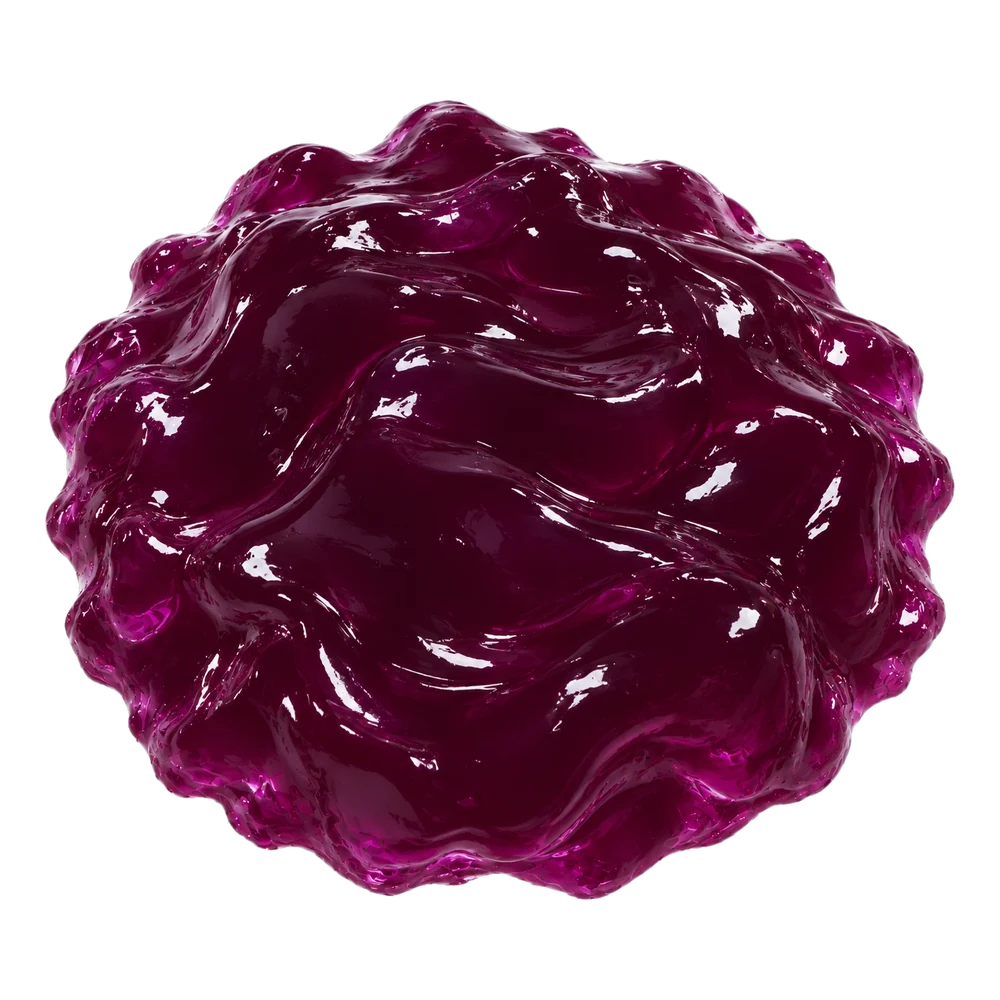
Brix 65 to 66 · pH 3.0 to 3.2
Built on grape juice with no fruit pieces, so it sets clear. Produced in 510 g (18 oz) and 765 g (27 oz) jars at 24 months ambient.
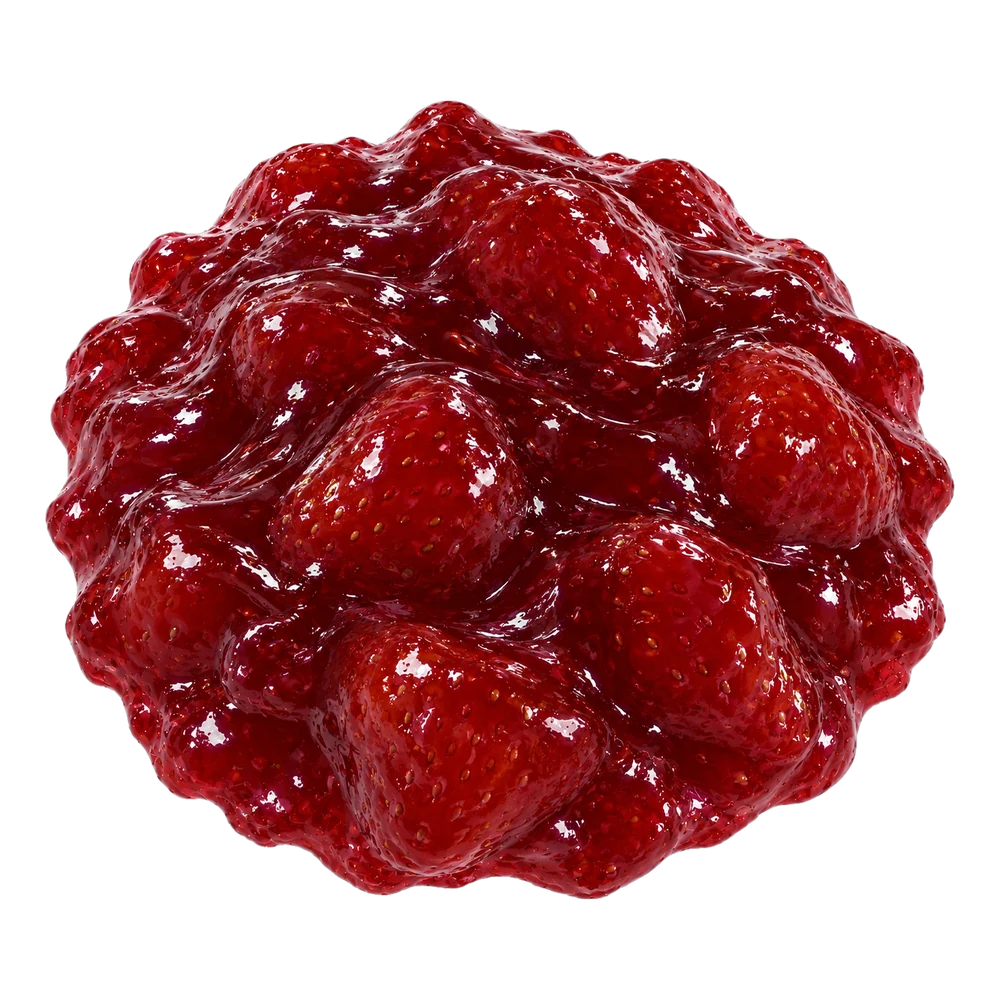
30% fruit · Brix 65 to 66
Large strawberry pieces held in a firm set. pH 3.00 to 3.20, acidity 0.75 to 0.85%.
Both lines are documented at 24 months ambient with a full nutrition panel, in 510 g and 765 g jars.
Spread
A softer set at 55% soluble solids and a lower fruit load. A spread is declared differently from a jam and is quoted as its own product.
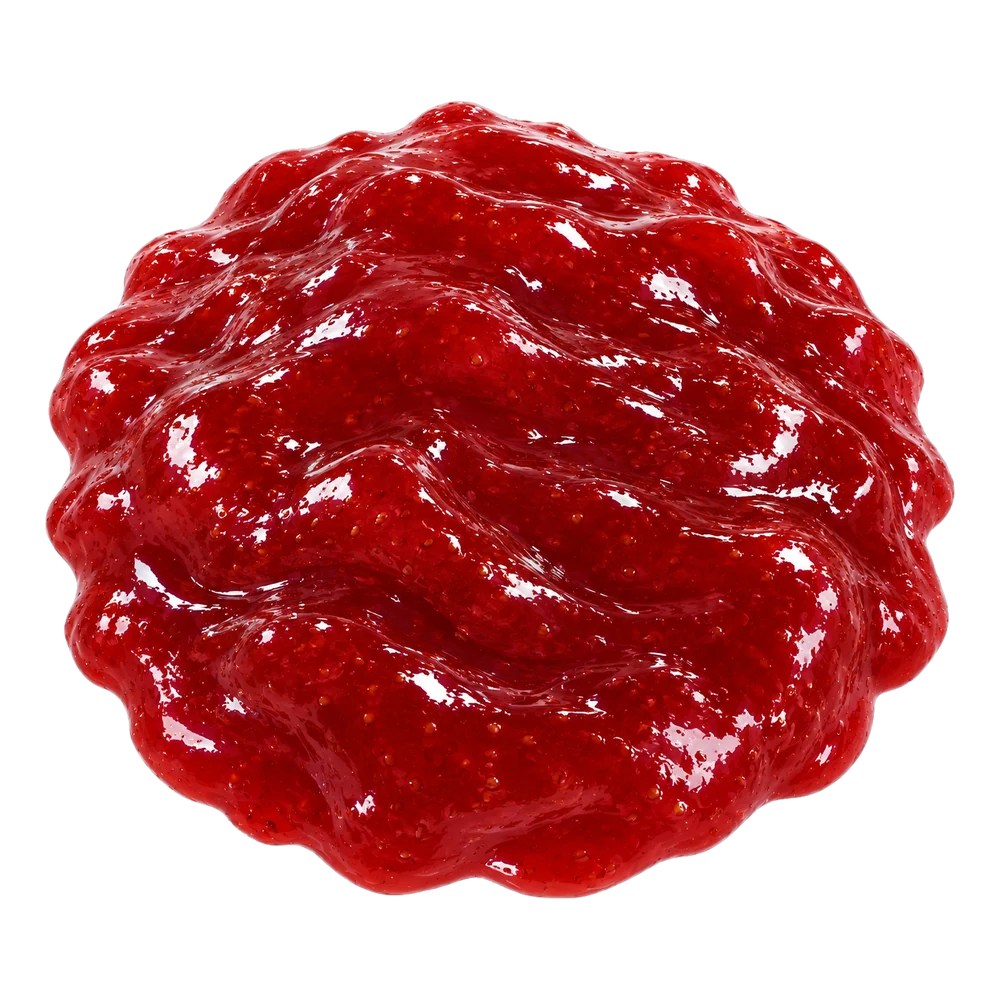
20% fruit · 55% solids
The volume spread line. pH 2.80 to 3.00, acidity 0.75 to 0.85%.
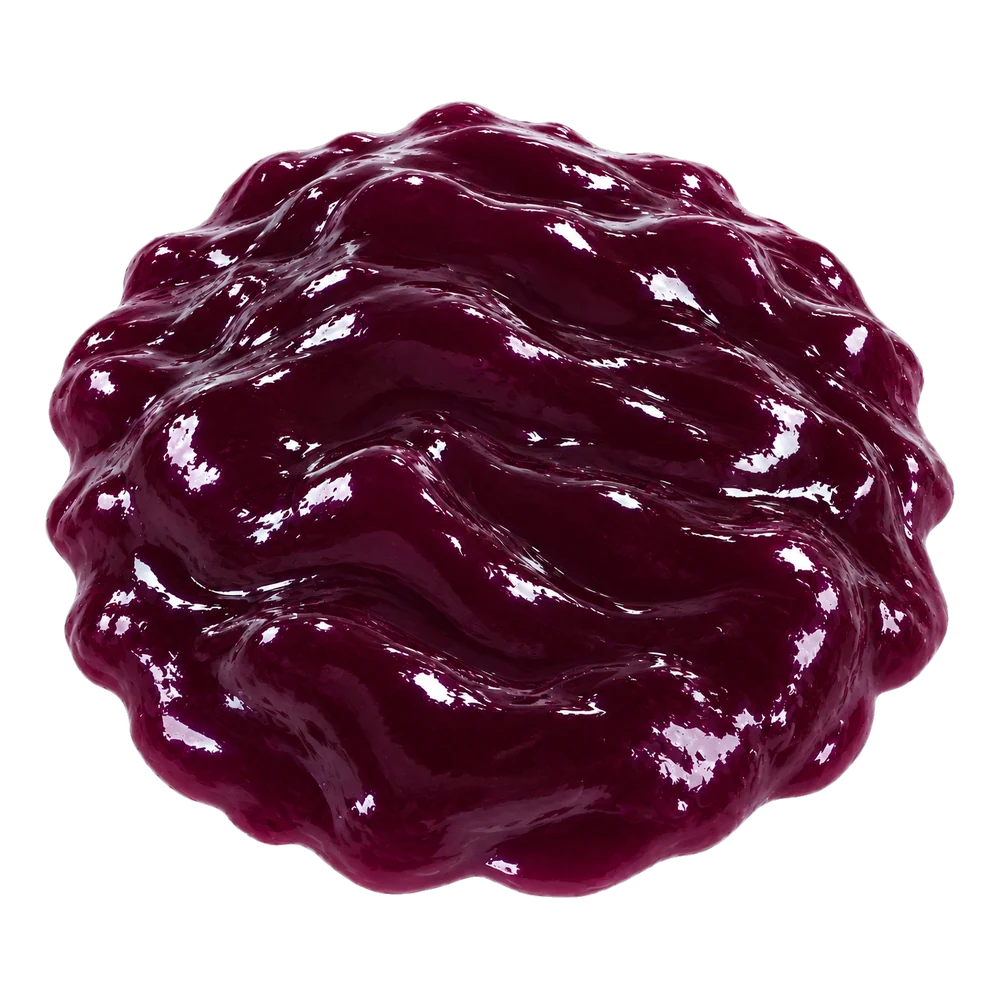
10% fruit · 55% solids
Built on grape juice, coloured with black carrot and caramel.
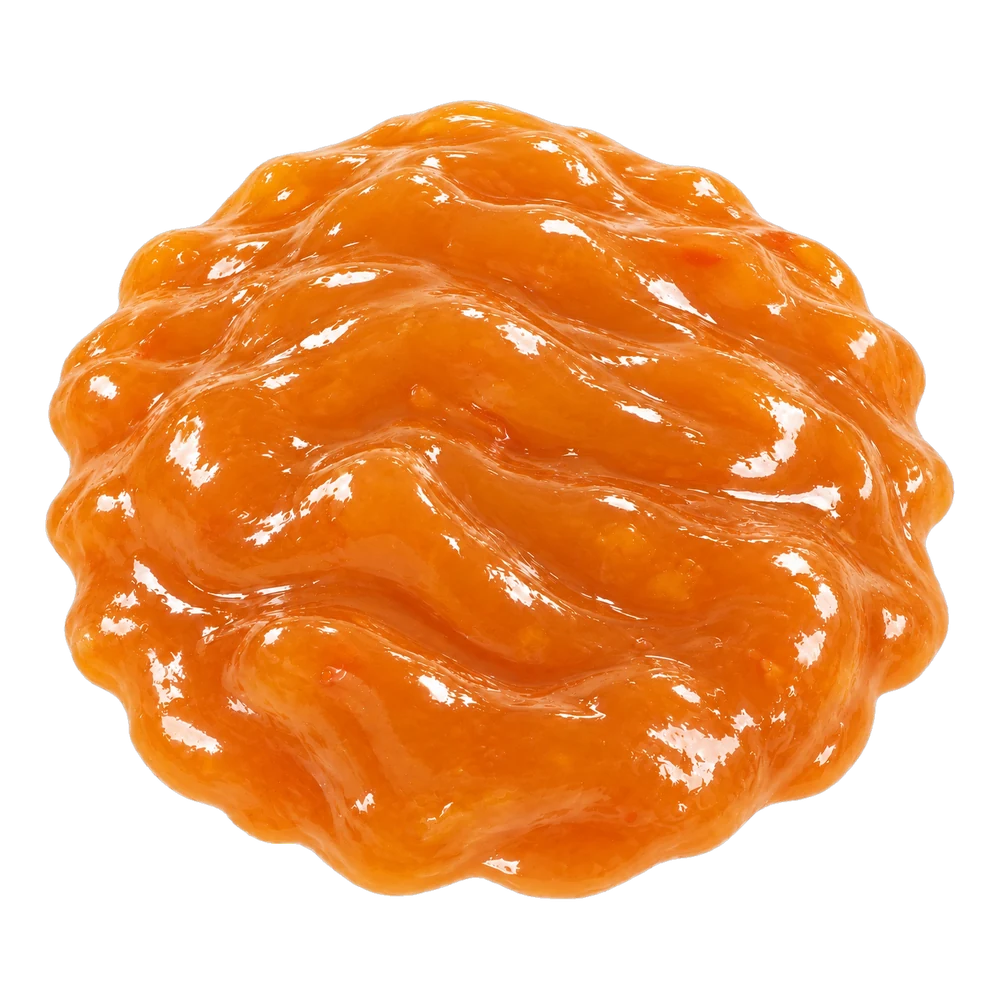
55% solids
Apricot on the spread base, produced in the squeeze format as well as the jar.
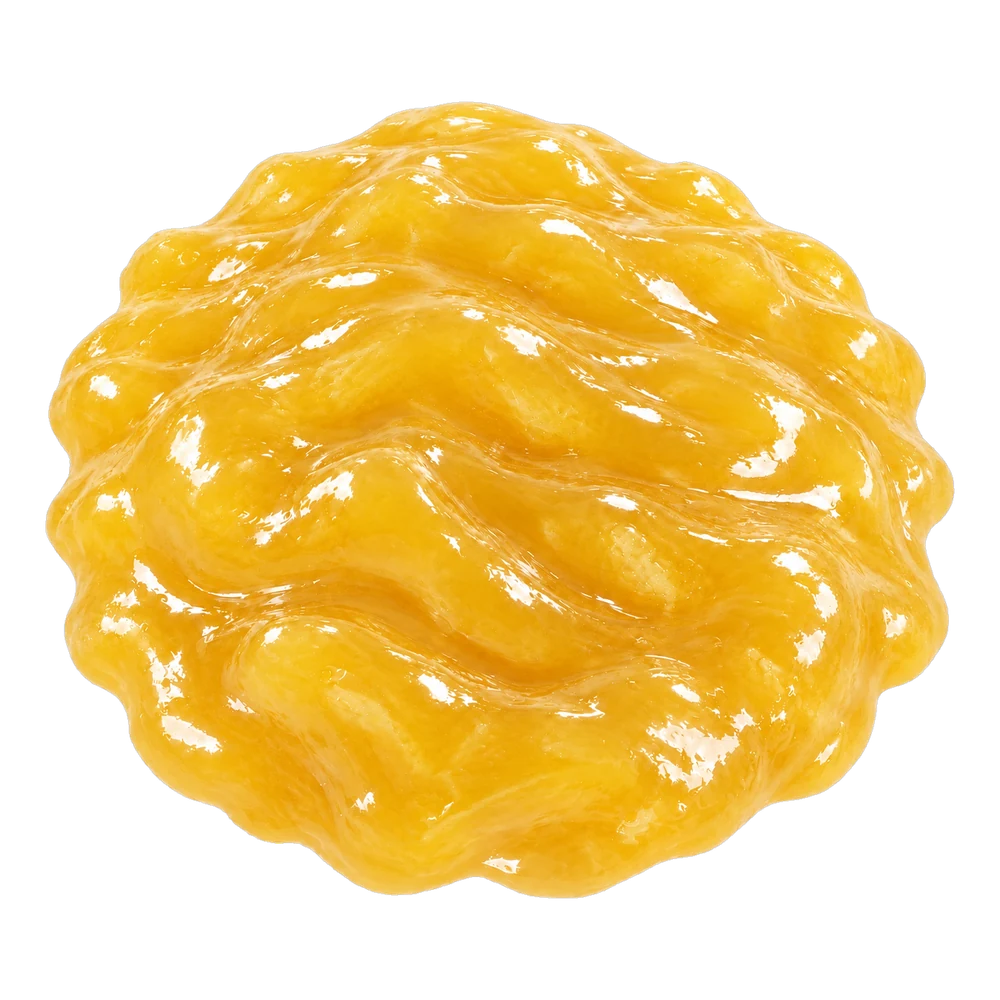
55% solids
Pineapple on the spread base, for breakfast and bakery programs.
Spreads run at pH 2.80 to 3.00, below the jam range, which is what holds the softer set stable.
The full range
Fruit content is what separates a jam from a spread, and it is the figure that decides how a product is declared on a label. It is stated for every line below.
The classic jams. All are produced at 45% fruit with no artificial colour, to not less than 65% soluble solids.
| Line | Fruit content | Soluble solids and class |
|---|---|---|
| Strawberry | 45% fruit | 65% minimum · jam |
| Apricot | 45% fruit | 65% minimum · jam |
| Fig | 45% fruit | 65% minimum · jam |
| Orange marmalade | 33% fruit plus 12% peel | 65% minimum · marmalade |
| Apple | 45% fruit | 65% minimum · jam |
| Guava | 45% fruit | 65% minimum · jam |
| Pineapple | 45% fruit | 65% minimum · jam |
| Mango | 45% fruit | 65% minimum · jam |
The berry lines run on the same 45% fruit base. Blackberry, raspberry and blueberry carry a permitted colour where the fruit alone will not hold the shade through shelf life.
| Line | Fruit content | Soluble solids and class |
|---|---|---|
| Blackberry | 45% fruit | 65% minimum · jam |
| Raspberry | 45% fruit | 65% minimum · jam |
| Blueberry | 45% fruit | 65% minimum · jam |
| Mixed berries | 45% fruit, 20% strawberry, 15% raspberry, 10% blueberry | 65% minimum · jam |
Multi-fruit recipes at the same total fruit load. The blend ratio is published because it changes the flavour profile and the cost.
| Line | Fruit content | Soluble solids and class |
|---|---|---|
| Mixed fruit, with apple | 45% fruit, 6% strawberry, 12% apple, 12% orange, 15% fig | 65% minimum · jam |
| Mixed fruit, without apple | 45% fruit, 10% strawberry, 16% orange, 19% fig | 65% minimum · jam |
| Strawberry with guava | 45% fruit, 27.5% strawberry, 17.5% guava | 65% minimum · jam |
A jelly is built on fruit juice rather than fruit pieces and sets clear. A preserve carries whole or large fruit pieces and sits above the spread class on fruit content.
| Line | Fruit content | Soluble solids and class |
|---|---|---|
| Grape jelly | From grape juice, no fruit pieces | 65 to 66% · jelly |
| Strawberry preserve | 30% fruit | 65 to 66% · preserve |
A spread is a separate product from a jam: lower fruit, lower soluble solids, a softer set and a different label declaration. It is not a reduced-sugar jam.
| Line | Fruit content | Soluble solids and class |
|---|---|---|
| Strawberry spread | 20% fruit | 55% · spread |
| Grape spread | 10% fruit | 55% · spread |
| Apricot spread | Confirmed per program | 55% · spread |
| Pineapple spread | Confirmed per program | 55% · spread |
Produced as separate recipes on their own specification, not as a variant of the standard jam.
| Line | Fruit content | Soluble solids and class |
|---|---|---|
| Reduced-sugar jam | Core flavours | Reduced-calorie recipe |
| No-preservative, no-added-colour jam | Core flavours | Clean-declaration recipe |
Fruit content, soluble solids and the finished label declaration are fixed on the program specification before the first run, because the class the product falls into decides how it may be named in the destination market.
Request the full current rangePackaging
Six formats across retail, hotel breakfast and foodservice. Every jar is glass with a safety-button cap sealed under vacuum.
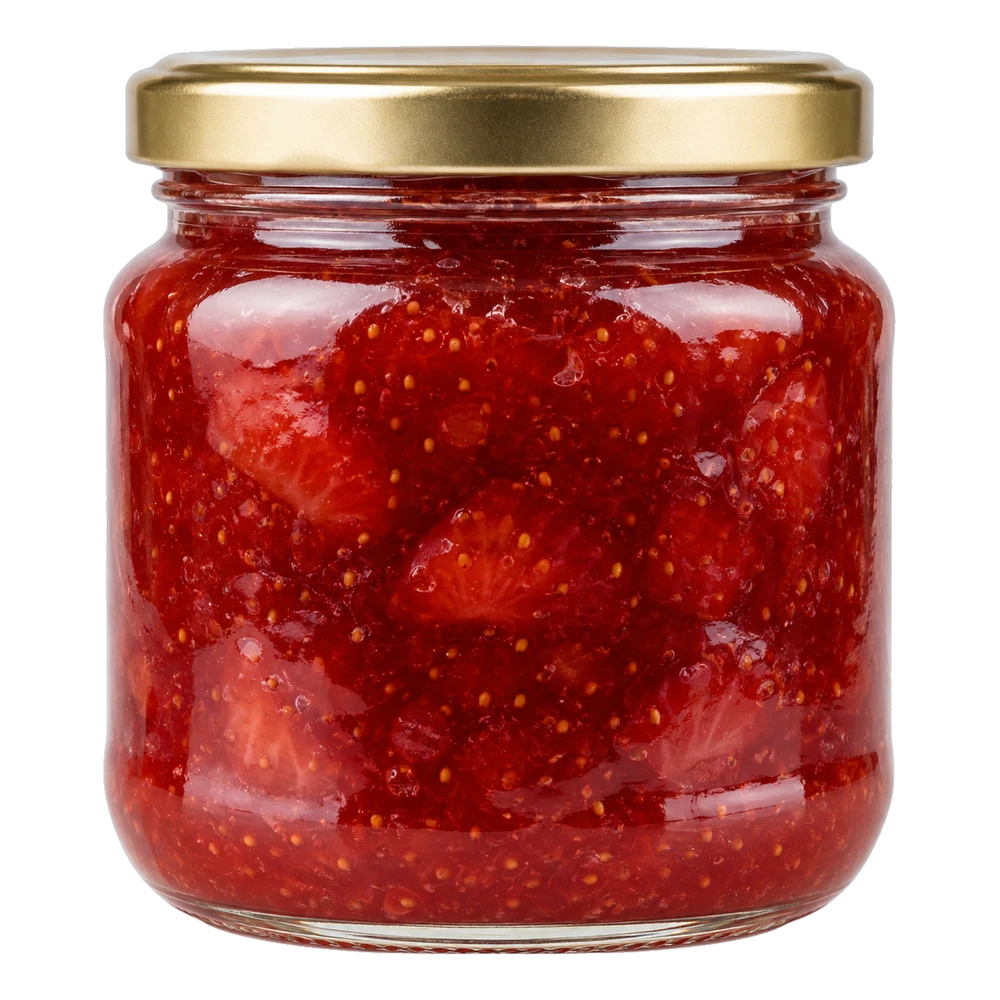
380 g (13.4 oz) · 450 g (15.9 oz)
The shelf format. Case 6.78 kg (14.9 lb) or 8.4 kg (18.5 lb) net.
See loading →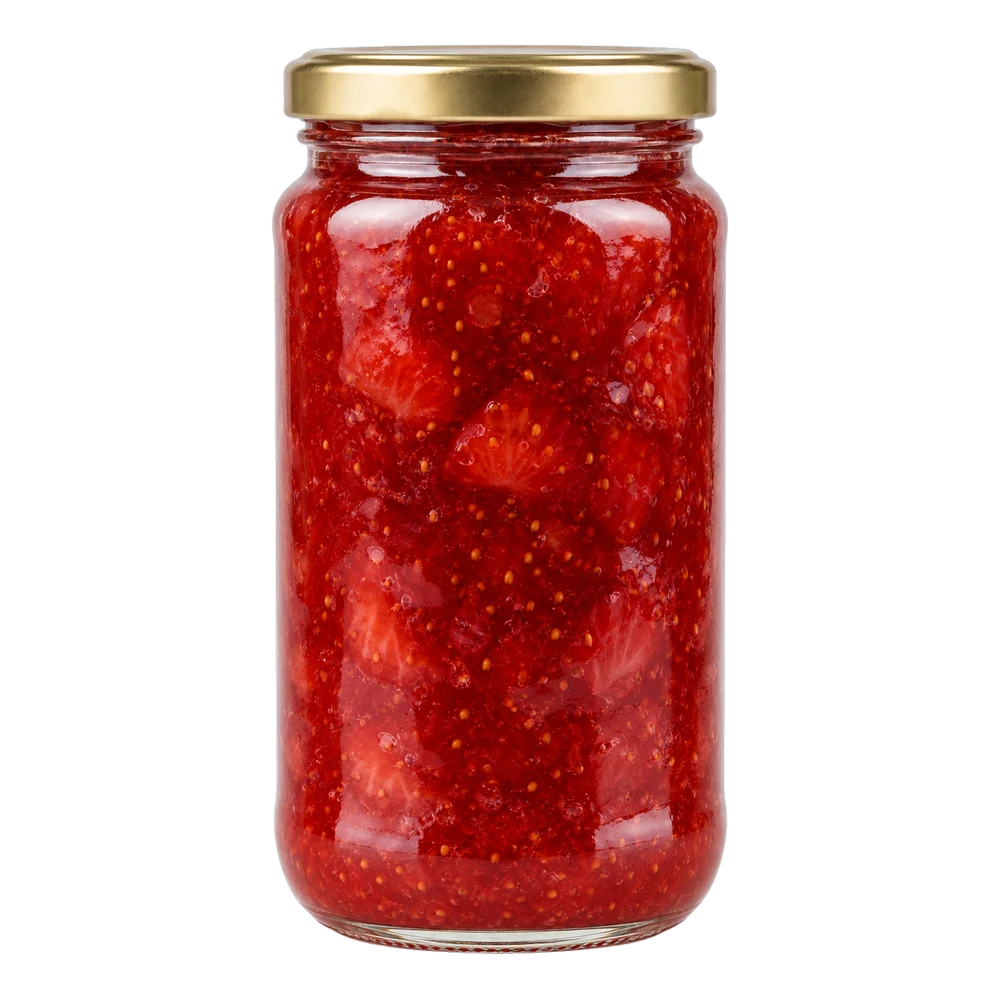
800 g (28.2 oz) · 900 g (31.7 oz)
The family size. Case 13.3 kg (29.3 lb) or 7.34 kg (16.2 lb) net.
See loading →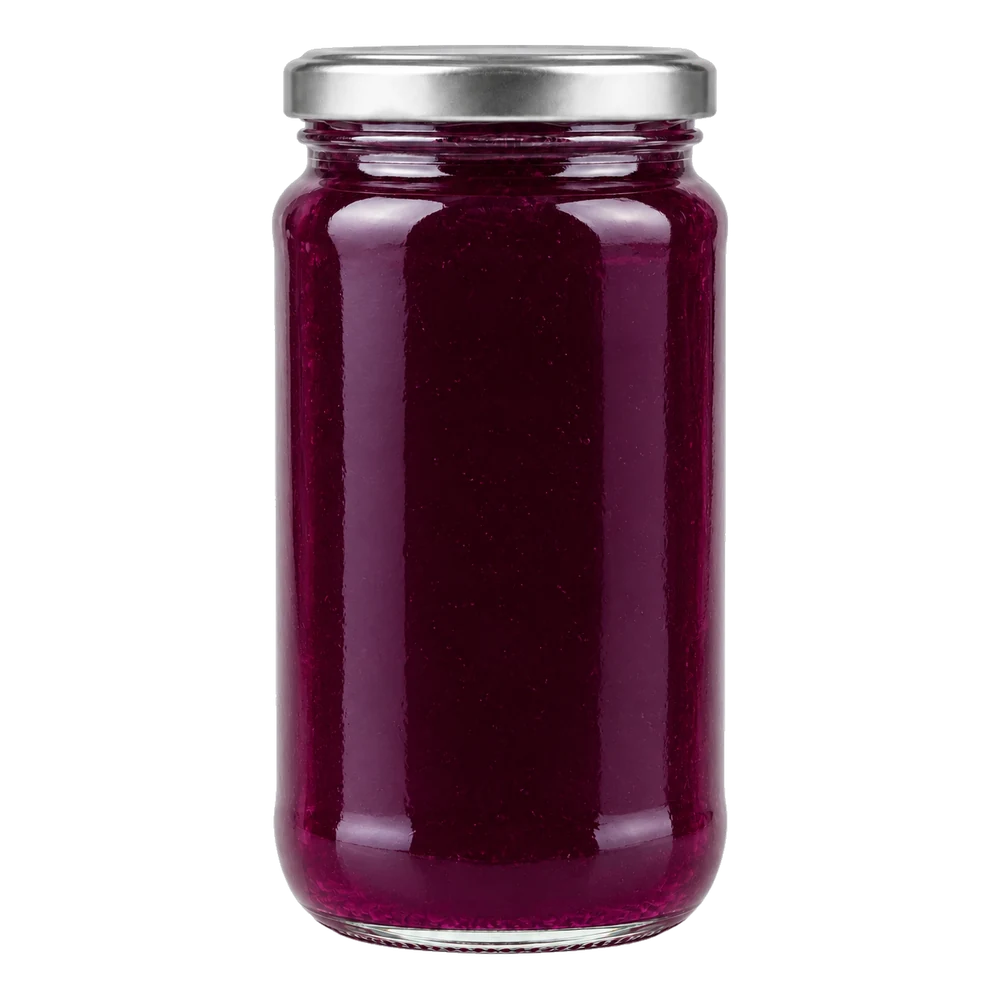
510 g (18 oz) · 765 g (27 oz)
The US shelf sizes, used for the jelly and preserve lines. Glass jar with a metal cap.
See loading →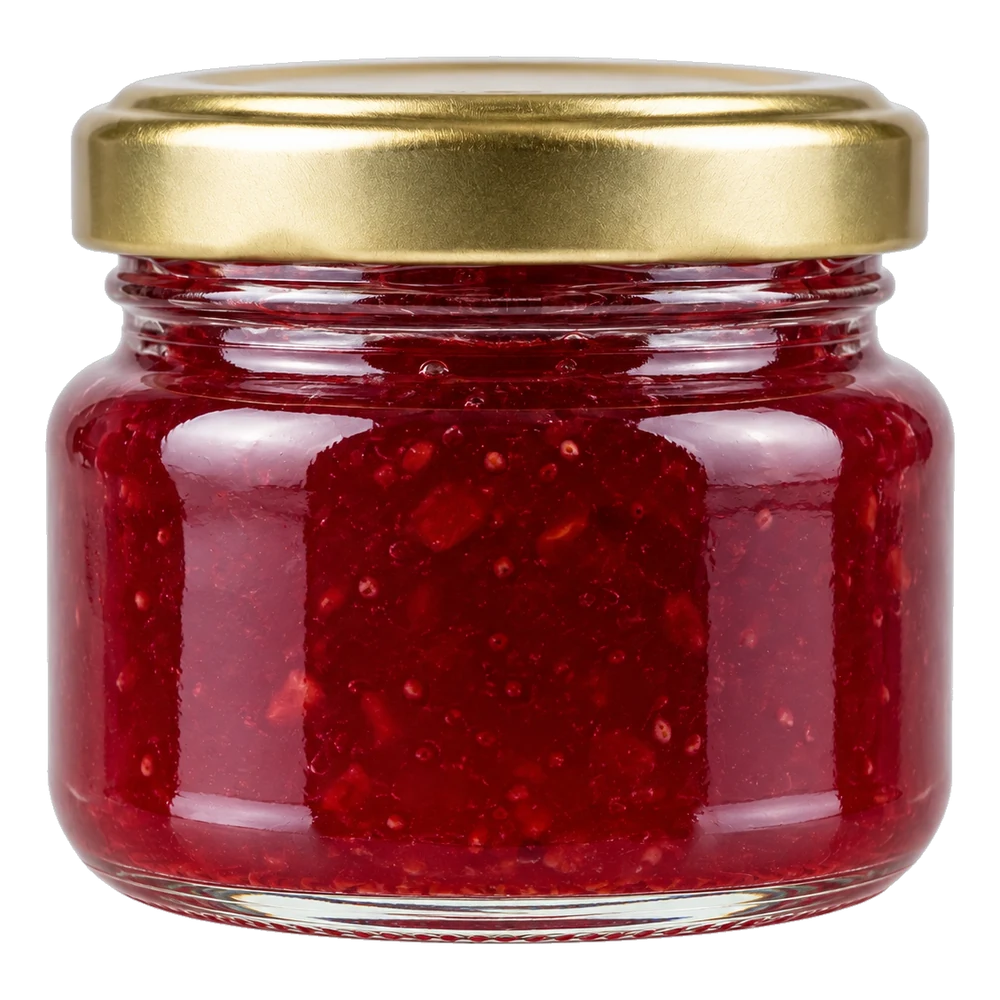
30 g (1.06 oz)
The breakfast tray jar. Case 11.4 kg (25.1 lb) net.
See loading →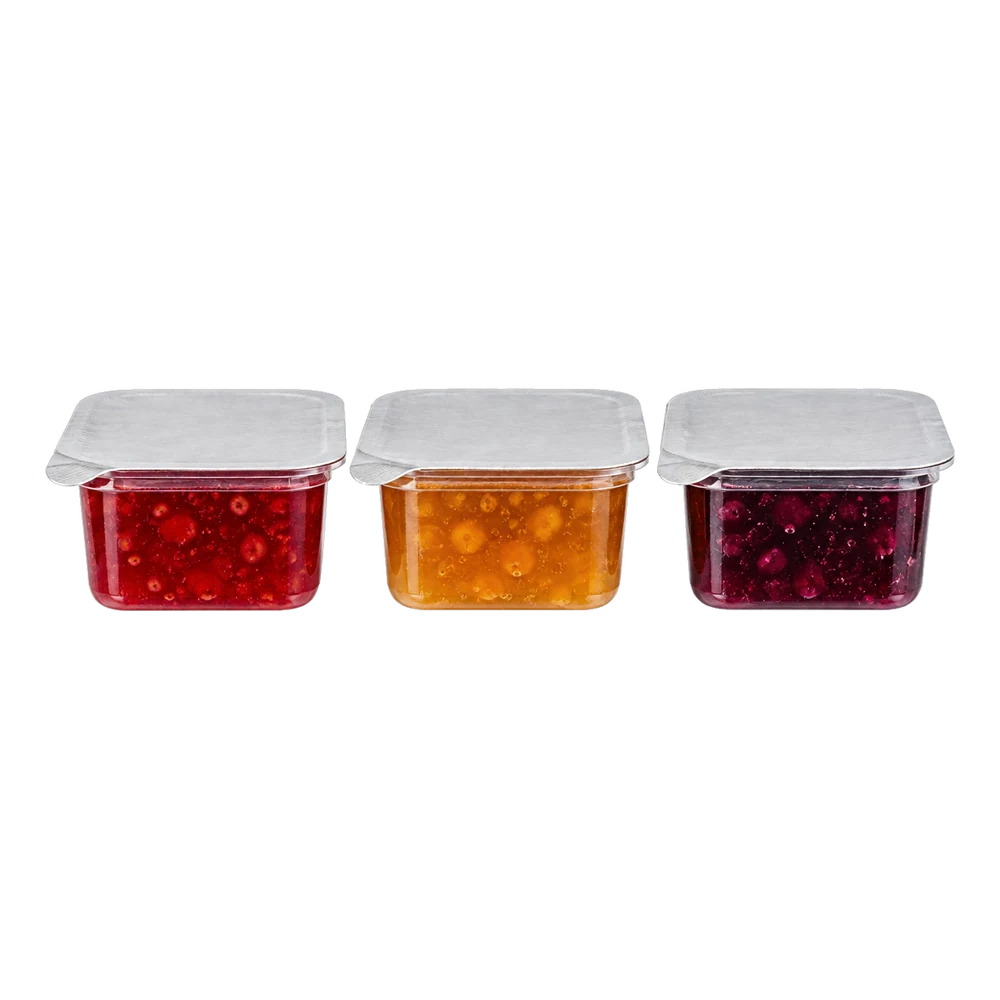
20 g (0.7 oz) · 25 g (0.88 oz) · 30 g (1.06 oz)
Sealed single portion for breakfast buffets, airlines and catering.
See loading →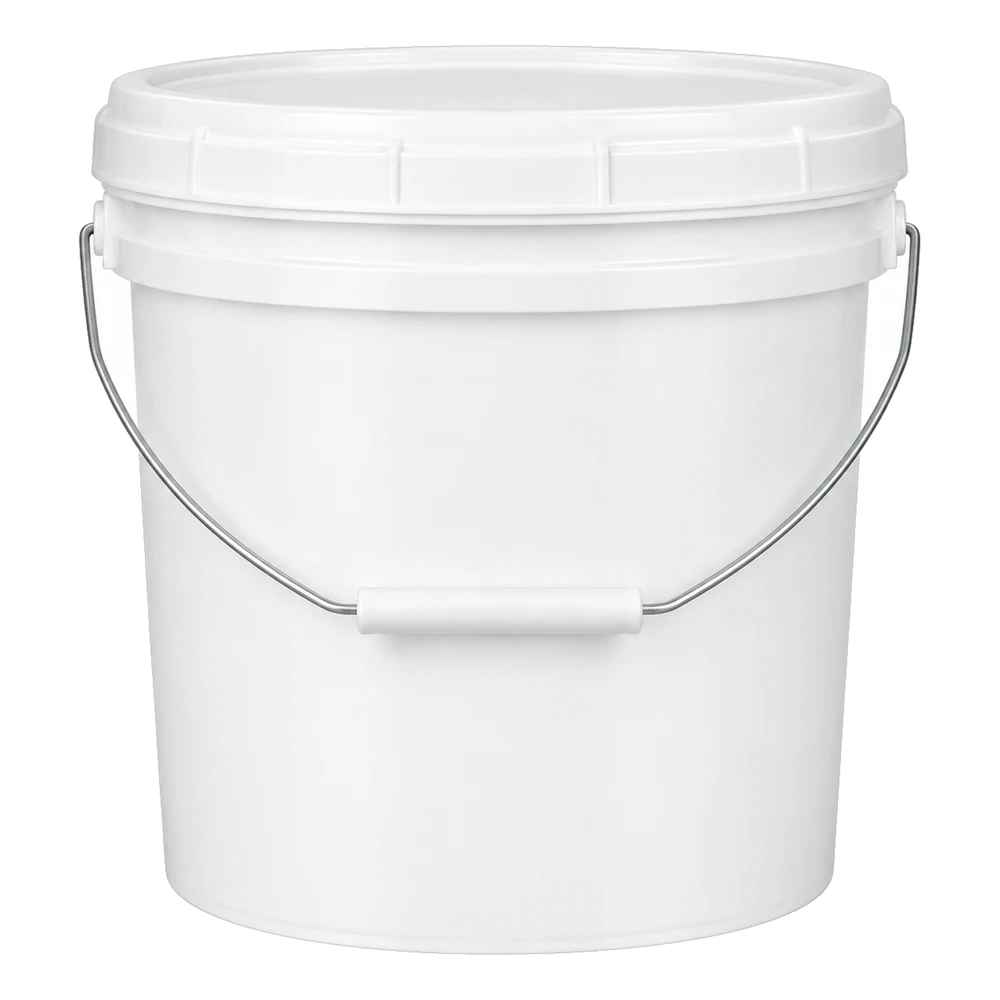
Catering pail · bakery box
Bulk format for bakery fillings and hotel kitchens, configured to the program.
See loading →Loading capacity
Cases per container for each pack size, in both box sizes. Jam is dense and glass is heavy, so the large jars reach the weight limit while the portion packs fill the volume.
| Pack size | Case | Cases per 20 ft | Cases per 40 ft |
|---|---|---|---|
| Jar 900 g (31.7 oz) | 6 per case · 7.34 kg (16.2 lb) | 1,920 cases | 3,360 cases |
| Jar 800 g (28.2 oz) | 12 per case · 13.3 kg (29.3 lb) | 1,440 cases | 1,960 cases |
| Jar 450 g (15.9 oz) | 12 per case · 8.4 kg (18.5 lb) | 2,520 cases | 2,940 cases |
| Jar 380 g (13.4 oz) | 12 per case · 6.78 kg (14.9 lb) | 2,880 cases | 3,600 cases |
| Jar 380 g reduced-sugar | 12 per case · 7 kg (15.4 lb) | 2,700 cases | 3,600 cases |
| Mini jar 30 g (1.06 oz) | 120 per case · 11.4 kg (25.1 lb) | 1,560 cases | 2,160 cases |
| Portion 20 to 25 g | 200 per case · 6.5 kg (14.3 lb) | 1,700 cases | 3,740 cases |
| Portion 20 to 25 g | 224 per case · 6.4 kg (14.1 lb) | 1,560 cases | 3,120 cases |
| Portion 30 g (1.06 oz) | 200 per case · 2.86 kg (6.3 lb) | 4,320 cases | 8,640 cases |
Figures are the cases the producing site loads on each format. Final pallet configuration and loading method are confirmed before booking.
Private label
Fruit content, product class, pack format, artwork and label declarations are configured under your brand, with documentation coordinated for the destination market before the first shipment.
Jam, jelly, preserve or spread selected, and the fruit percentage set against a retained sample.
Jar size, mini jar, portion pack or foodservice pail, chosen for the channel.
Label prepared with the name, fruit content and ingredient declarations the destination market requires for that class.
Shelf life fixed against the legislation of the market of retail sale, and the date format agreed.
Supply execution
Samples follow once a program, specification and commercial terms are agreed.