Extra virgin olive oil
Superior category
Obtained directly from olives by mechanical means only. Suited to raw use on bread and salads, finishing, stews, dressings and canned foods.
Inquire about this product: Extra virgin olive oilRetail · Private Label · Foodservice
Unbranded olive oil bottles and a glass cruet with olives and an olive branch on a dark stone surface.
ALPHATRADE supplies Spanish-origin olive oil programs: four core selections and single-variety and blended extra virgin selections, in glass, PET, tin and bulk formats, for retail, foodservice and private-label buyers. Specification, packing configuration and destination-market documentation are aligned before order.
For importers, distributors, retailers and foodservice buyers.
Select categories for one inquiry. Your selection stays in this browser tab; it is sent only when you submit the form.
Program limits
ALPHATRADE is your contracting seller for the agreed supply program. The figures below are limits from the Spanish-origin extra virgin program specification, not batch results.
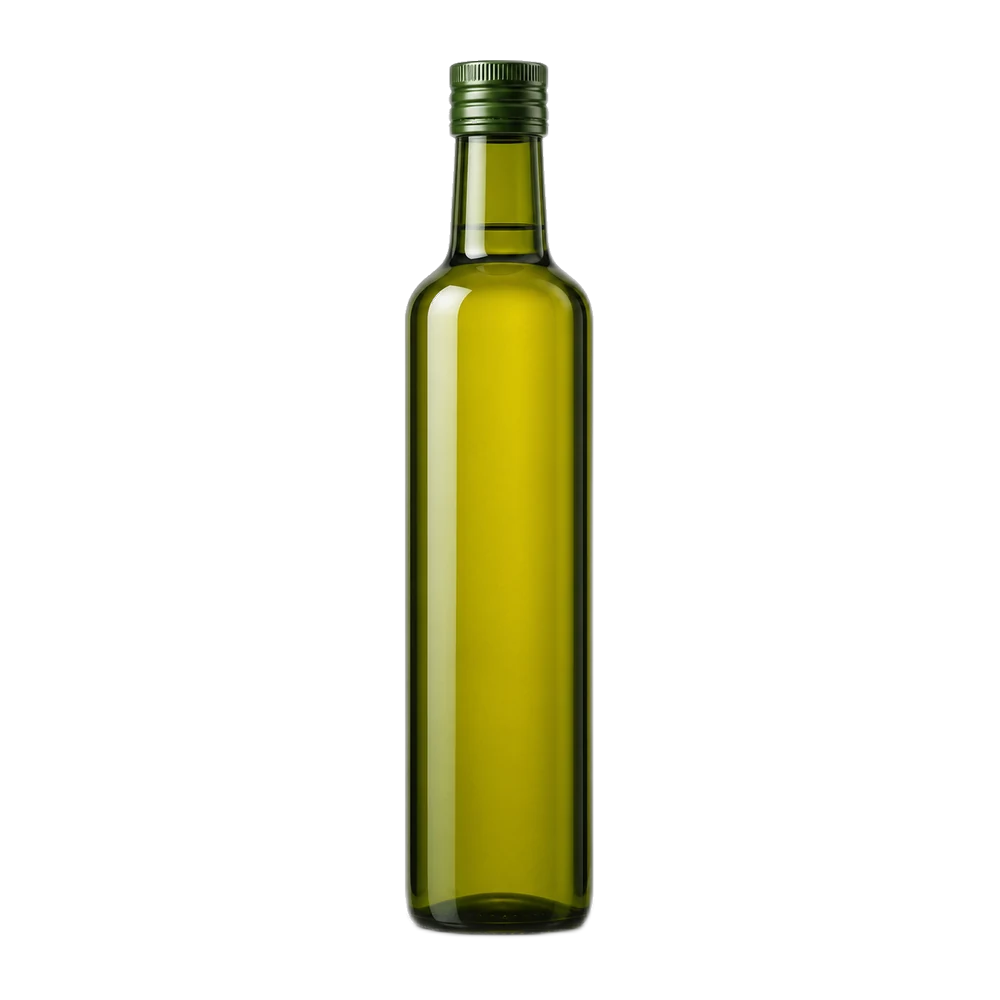
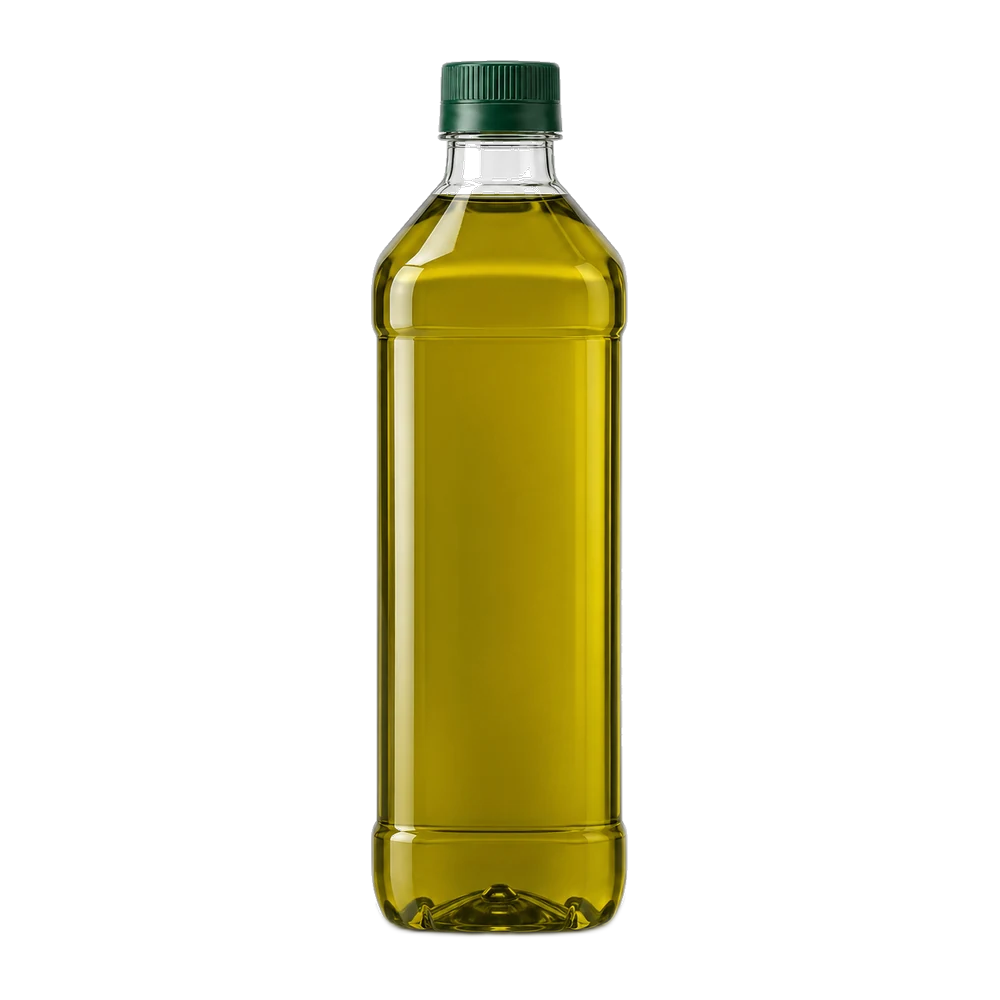
Bottle shown: unbranded illustration of the 1 L (33.8 US fl oz) PET format. Sensory acceptance is agreed per program. See specification details
Category guide
The unflavored oils below fall into four EU categories. Each category has its own analytical requirements. Flavored and infused preparations are assessed separately according to their formulation.
| Category | How it is made | Free acidity, max (% as oleic acid) | Sold on this page as |
|---|---|---|---|
| Extra virgin olive oil | Obtained from olives solely by mechanical means | 0.8% | Extra virgin olive oil · Coupage · Picual, Arbequina, Hojiblanca |
| Virgin olive oil | Obtained from olives solely by mechanical means | 2.0% | Virgin olive oil |
| Olive oil, refined and virgin | Blend of refined olive oil and virgin olive oil | 1.0% | Mild blend · Classic blend |
| Olive pomace oil | Refined olive-pomace oil blended with virgin olive oil | 1.0% | Olive pomace oil, by program |
Category names and free-acidity limits as set by EU Regulation 1308/2013 (Annex VII) and the International Olive Council trade standard; further chemical and sensory limits apply under EU Regulation 2022/2104. Mild and pure are trade names, not EU categories.
Technical dossier
Specification of the Spanish-origin extra virgin program. The virgin, blended and pomace grades carry their own program specification, confirmed with the analysis parameters, packing configuration and supporting documents before order.
OriginSpain
| Product | Extra virgin olive oil |
|---|---|
| Origin of this specification | Spain |
| Description | Superior category, obtained directly from olives by mechanical means only; filtered |
| Composition | 100% extra virgin olive oil |
| Appearance | Bright liquid at 20 degrees C, color characteristic of the type |
| Sensory assessment | Extra virgin classification requires organoleptic panel assessment; sensory acceptance criteria are agreed per program |
| Free acidity | 0.8% max, as oleic acid |
|---|---|
| Peroxide value | 20 meq O₂/kg max |
| K232 · K270 · delta-K | 2.5 max · 0.22 max · 0.01 max |
| Fatty acid ethyl esters (FAEE) | Below 35 mg/kg |
| Waxes (C42+C44+C46) | 150 mg/kg max |
| Stigmastadienes | 0.05 mg/kg max |
| Moisture & volatiles | 0.2% max; insoluble impurities 0.1% max |
| Measurement basis | Fatty acids as % of total fatty acids |
|---|---|
| Oleic acid (C18:1) | 55 – 83% |
| Linoleic acid (C18:2) | 2.5 – 21% |
| Palmitic acid (C16:0) | 7.5 – 20% |
| Stearic acid (C18:0) | 0.5 – 5.0% |
| Linolenic acid (C18:3) | 1.0% max |
| Trans-oleic isomers | 0.05% max |
| Trans-linoleic + trans-linolenic isomers | 0.05% max |
| Delta-ECN42 (HPLC vs theoretical, absolute difference) | 0.2 max |
| Measurement basis | Shares as % of total sterols; total sterols in mg/kg |
|---|---|
| Cholesterol | 0.5% max |
| Brassicasterol | 0.1% max |
| Campesterol | 4.0% max |
| Stigmasterol | Not above campesterol |
| Beta-sitosterol | 93.0% min |
| Delta-7-stigmastenol | 0.5% max |
| Erythrodiol + uvaol | 4.5% max |
| Total sterols | 1,000 mg/kg min |
| Contaminants | Heavy metals, benzo(a)pyrene and 4-PAH, erucic acid, dioxins and PCBs to EU Regulation 2023/915 as amended |
|---|---|
| Pesticide residues | EU Regulation 396/2005 as amended |
| Microbiology | Olive oil is a microbiologically stable product; criteria of EU Regulation 2073/2005 as amended |
| Allergens · GMO · irradiation | Allergen, GM and irradiation status are confirmed for the selected product before order |
|---|---|
| Storage & transport | Protected from light and heat, 0 to 32 degrees C |
| Order and schedule | Minimum order, lead time and delivery schedule are defined by the nature and breakdown of each supply program - product, format, brand and destination - and confirmed with the quotation. |
|---|---|
| Incoterms and payment | Programs are executed under Incoterms® 2020 - FOB, CFR, CIF, and DAP or DDP for selected destinations. Payment terms and shipment plan are confirmed with the quotation. |
Origin is confirmed for the selected program and stated on the shipping documents. Shelf life is counted from the date of production. Remaining shelf life at delivery depends on the production slot and transit for the selected program and is stated on the program sheet.
| Energy | 3,700 kJ / 900 kcal |
|---|---|
| Fat | 100 g |
| of which saturates | 15 g |
| of which monounsaturates | 78 g |
| of which polyunsaturates | 7 g |
| Carbohydrate | 0 g |
| Protein | 0 g |
| Salt | 0 g |
Every producing site is qualified before it enters a program, with HACCP as the baseline and any food-safety requirement of the program confirmed in writing, with its scope and validity, before the first order. Olive oil programs additionally carry, per lot, the analytical parameters that define the category: free acidity, peroxide value and ultraviolet absorbance. Batch-specific analysis and export documentation are provided to qualified buyers. Compliance and quality · US import compliance and FSVP.
Documents available on request: technical data sheet, lot analysis report, chemical composition declaration, and shipping and commercial documents.
Limits shown are the Spanish-origin extra virgin program specification, not typical results. The virgin, blended and pomace grades follow their own EU marketing standard, confirmed for the selected program.
Core range
Four core selections across three EU categories. Bottles are unbranded illustrations.
Superior category
Obtained directly from olives by mechanical means only. Suited to raw use on bread and salads, finishing, stews, dressings and canned foods.
Inquire about this product: Extra virgin olive oil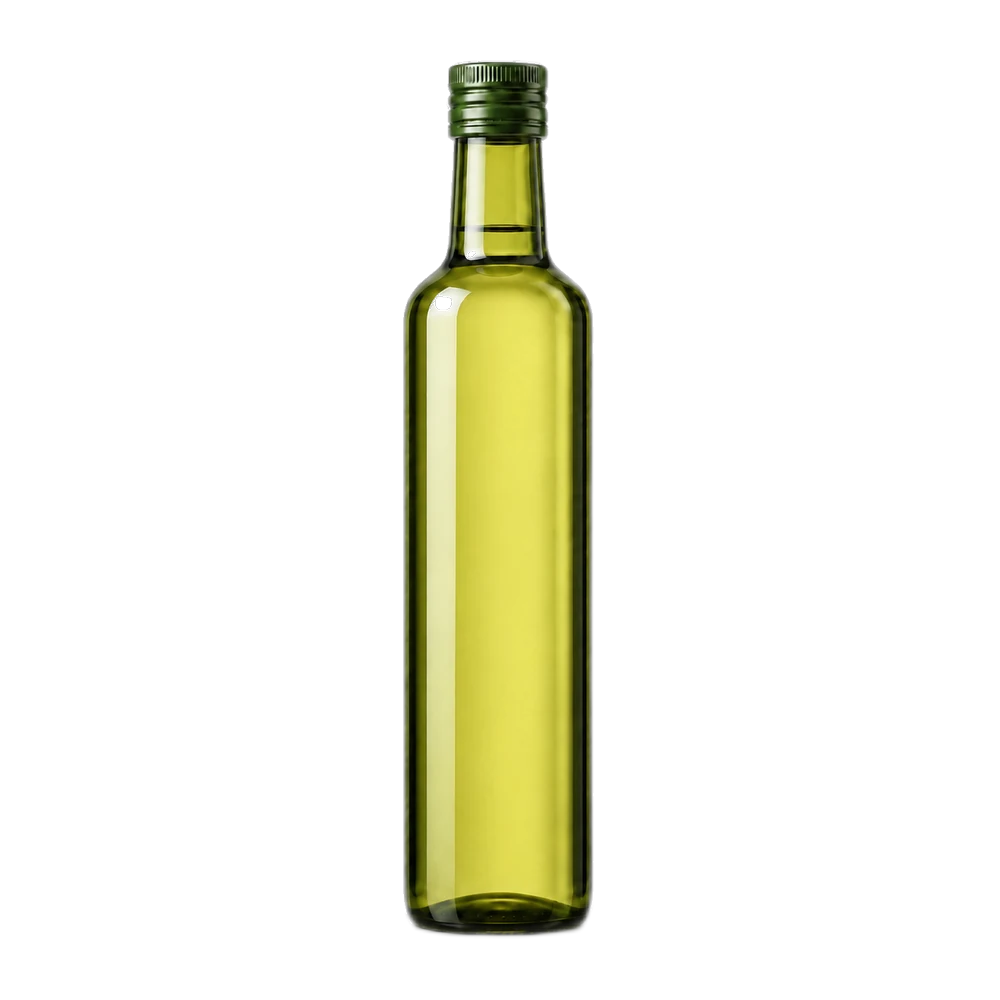
Virgin category
Mechanical extraction, under its own EU marketing standard. Suited to raw use, frying, stews and grilling.
Inquire about this product: Virgin olive oil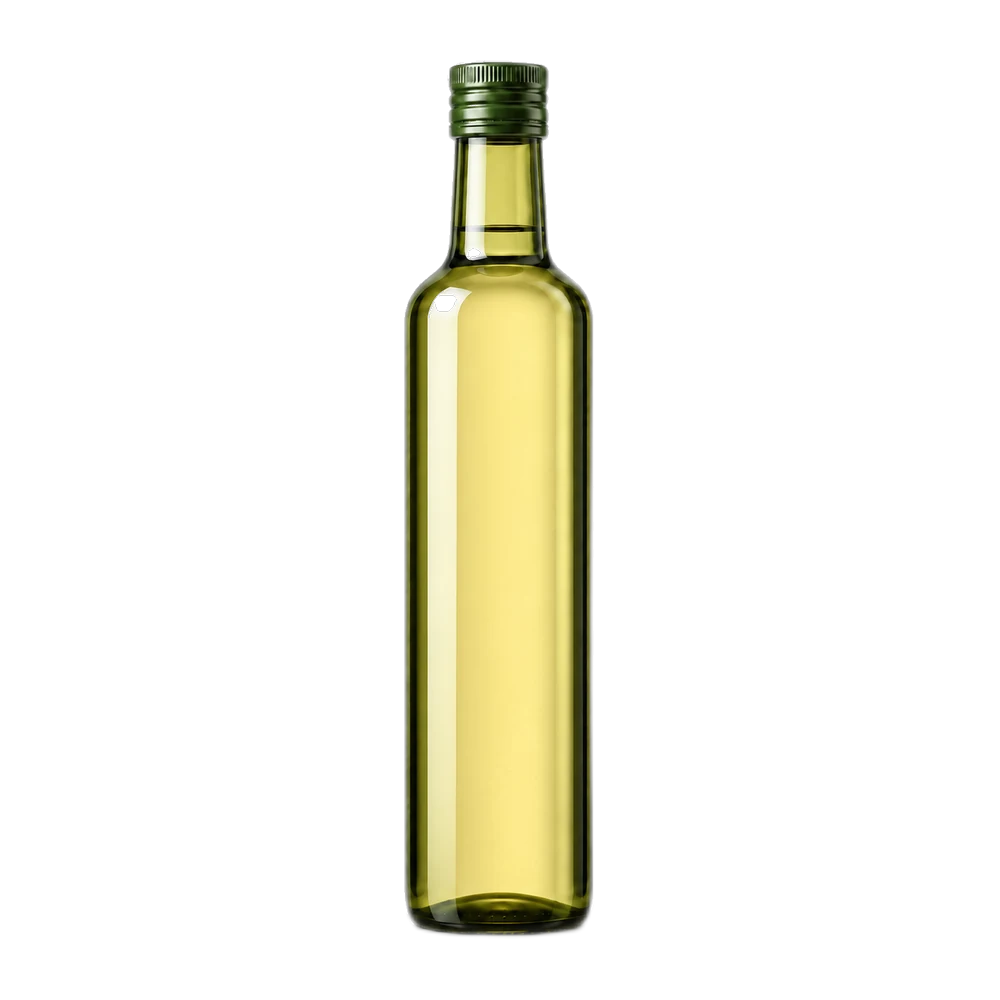
Refined and virgin blend
Lighter profile for everyday retail and kitchen use. Suited to stews, roasts, fried dishes and desserts.
Inquire about this product: Mild blend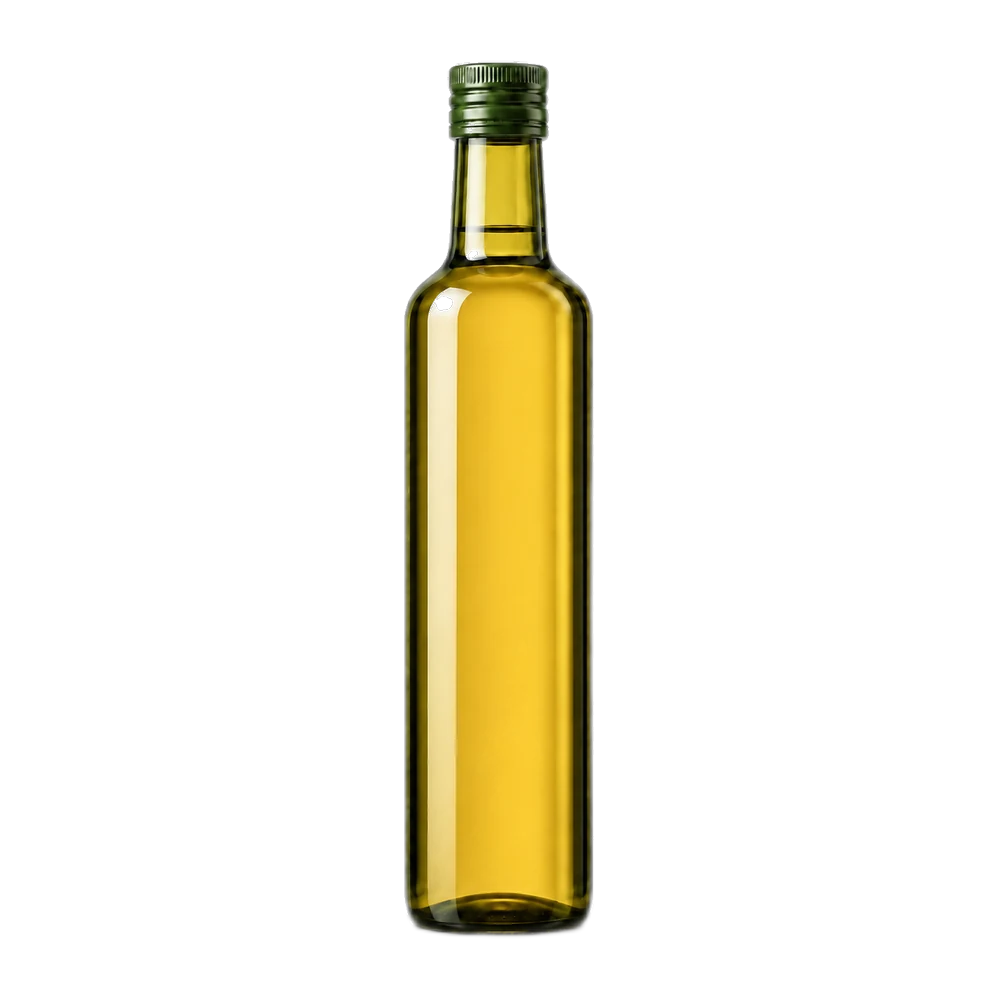
Refined and virgin blend
Standard blend for retail and foodservice programs. Suited to stews, roasts, fried dishes and desserts.
Inquire about this product: Classic blendSpanish-origin selections
Extra virgin selections from the Spanish program, with the formats documented for that program.
Extra virgin olive oil blend
Spain
Coupage of selected olive varieties for dressings and finishing. Glass 250 ml, 750 ml and 1 L (8.5, 25.4 and 33.8 US fl oz), PET 1 L (33.8 US fl oz), tin 1, 3 and 5 L (0.3, 0.8 and 1.3 US gal).
Inquire about this product: Extra virgin coupageSingle-variety extra virgin
Spain
Suited to stews, marinated meats, salads and frying. Glass 500 ml (16.9 US fl oz), PET 1 L (33.8 US fl oz).
Inquire about this product: Picual, single varietySingle-variety extra virgin
Spain
Suited to mild marinades, light sauces and desserts. Glass 500 ml (16.9 US fl oz), PET 1 L (33.8 US fl oz).
Inquire about this product: Arbequina, single varietySingle-variety extra virgin
Spain
Suited to fish and meat marinades, robust sauces and salads. Glass 500 ml (16.9 US fl oz), PET 1 L (33.8 US fl oz).
Inquire about this product: Hojiblanca, single varietyBeyond the core range
Further olive oil selections are reviewed against the required grade, pack format and private-label requirements.
| Selection | Format |
|---|---|
| Olive pomace oil | PET 500 ml – 5 L (16.9 US fl oz – 1.3 US gal) · tin 3 – 5 L (0.8 – 1.3 US gal) · bulk |
| Olive oil blend, glass; grade confirmed per program | Glass 500 ml (16.9 US fl oz) |
Recipe, oil base, flavoring method and labeling category are confirmed per program.
| Selection | Format |
|---|---|
| Garlic | Glass 250 ml (8.5 US fl oz) |
| Chili | Glass 250 ml (8.5 US fl oz) |
| Basil | Glass 250 ml (8.5 US fl oz) |
| Lemon | Glass 250 ml (8.5 US fl oz) |
| Truffle | Glass 250 ml (8.5 US fl oz) |
Availability and grade are confirmed for the selected Spanish-origin program.
Request the current rangePackaging options
Formats, case configuration and availability are confirmed for the selected program.
Illustrative pack; final artwork confirmed for the program.
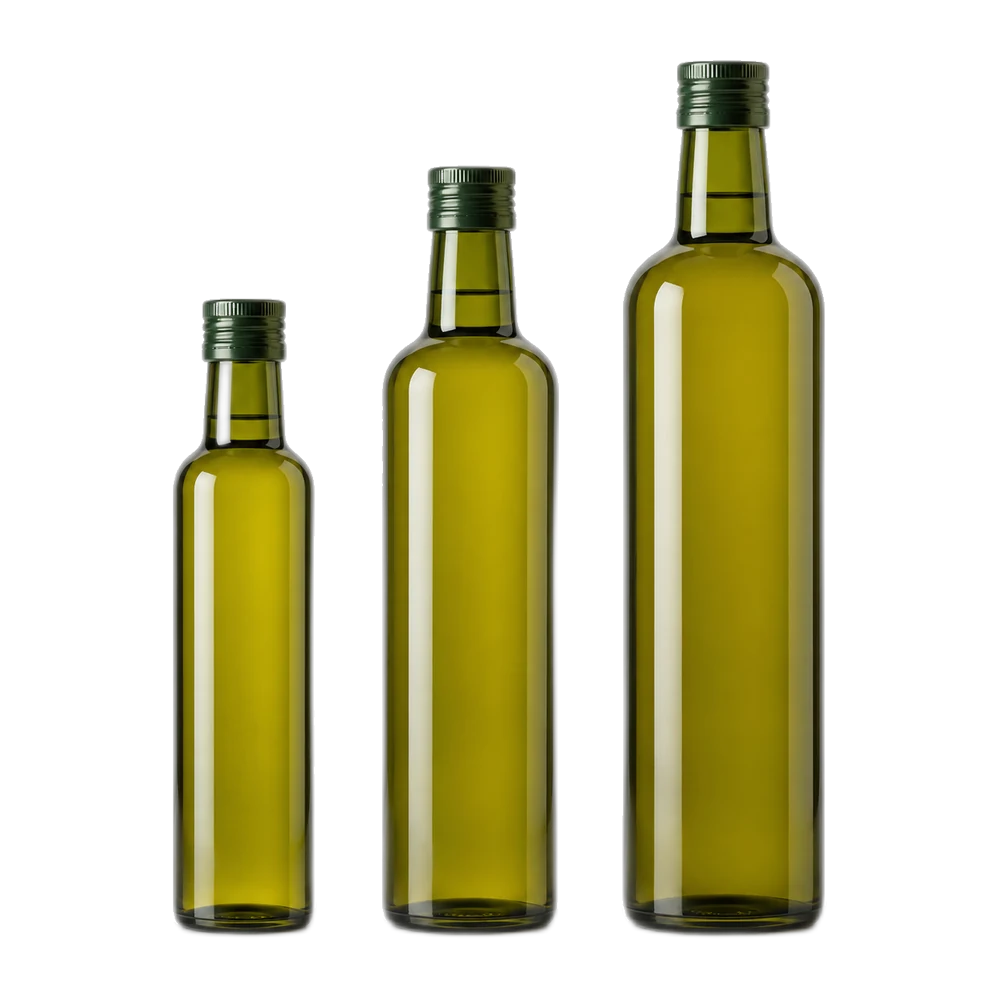
250 · 500 · 750 ml · 1 L (8.5 – 33.8 US fl oz)
Green glass in Dorica, Marasca and other bottle shapes for retail and gift programs.
Request a quote: Glass bottle →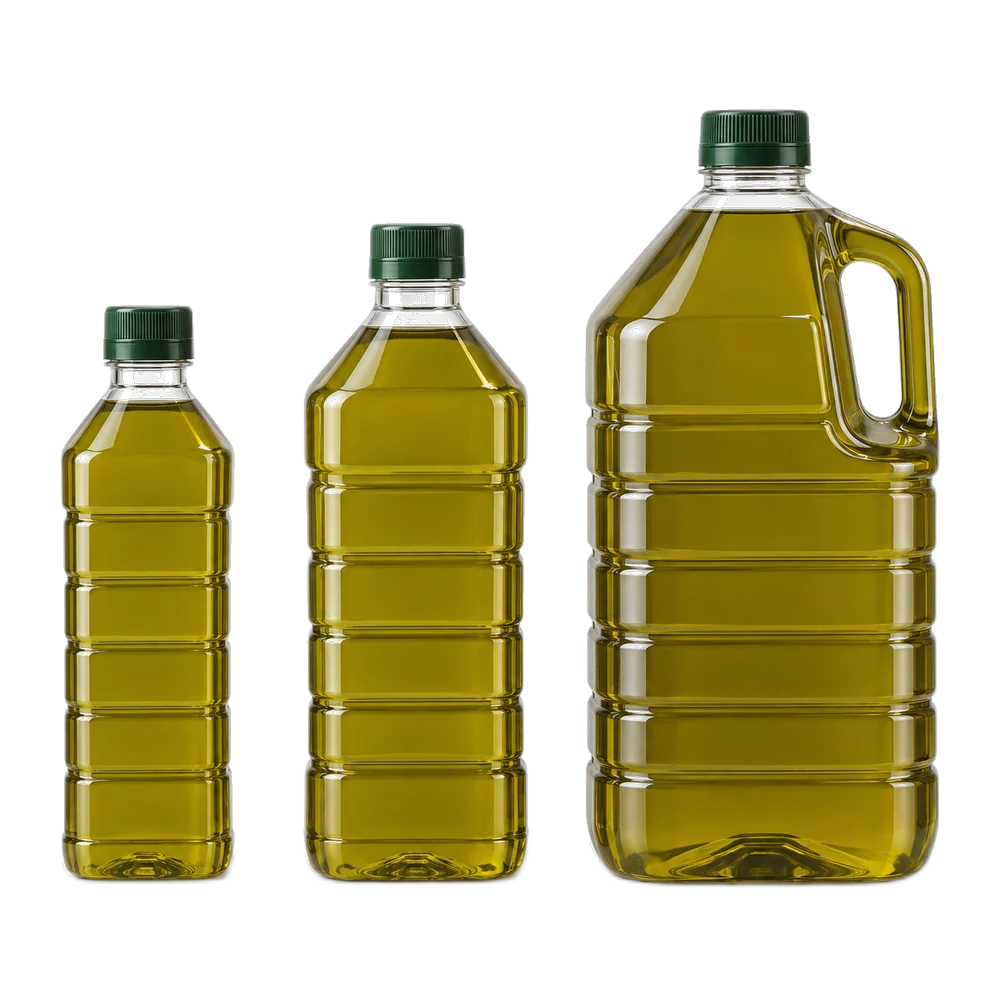
500 ml – 5 L (16.9 US fl oz – 1.3 US gal)
Lightweight PET in square and ergonomic shapes, larger sizes with a handling cap.
Request a quote: PET bottle →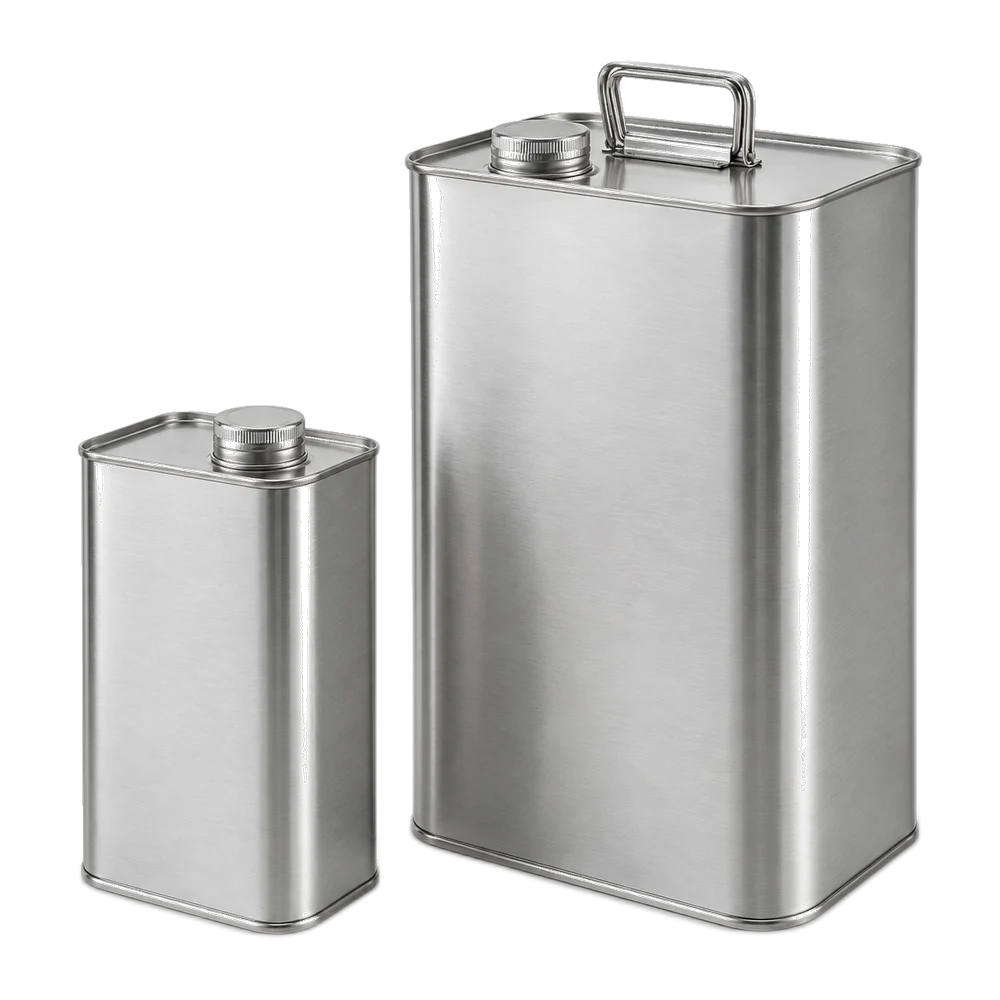
1 · 3 · 4 · 5 L (0.3 – 1.3 US gal)
Food-grade tin with screw cap, fully light-protected for long shelf life.
Request a quote: Tin →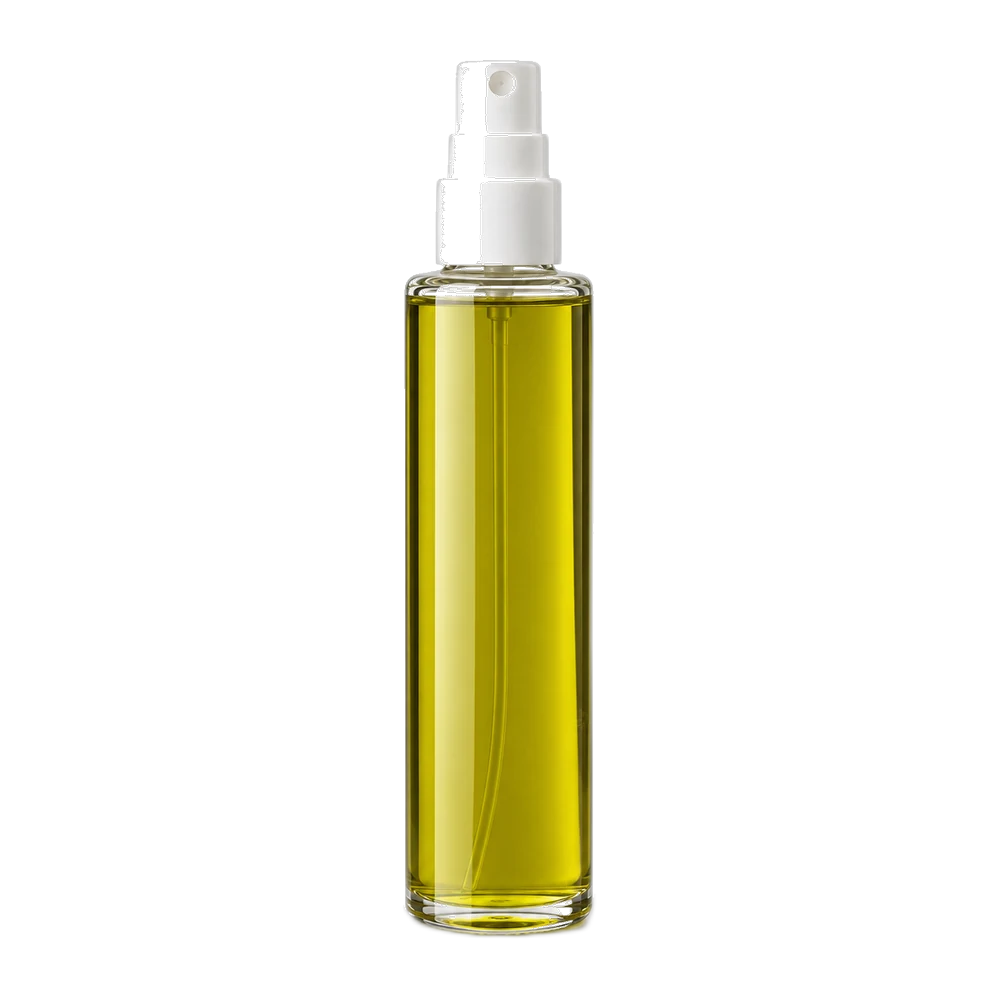
200 ml (6.8 US fl oz)
Fine-mist spray for controlled dosing in kitchens and retail.
Request a quote: Spray bottle →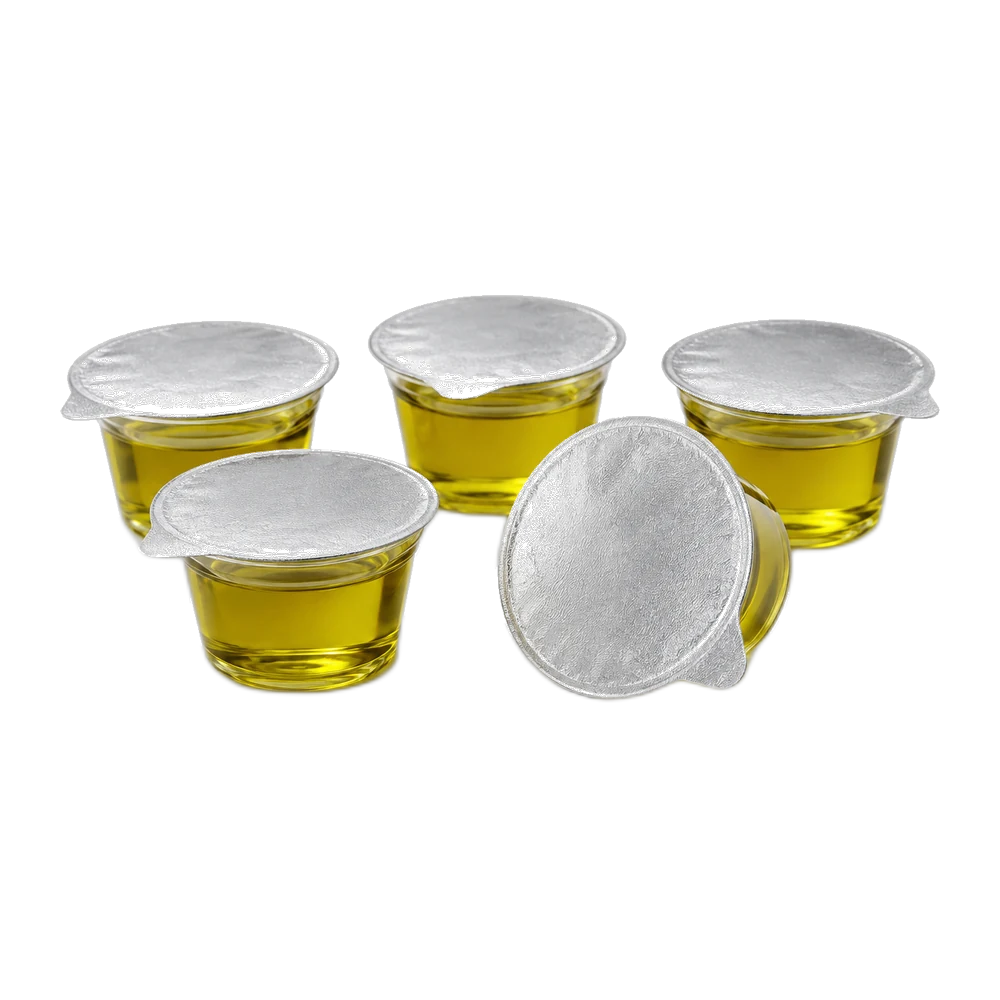
10 ml (0.34 US fl oz)
Sealed single-portion pots for hotels, airlines and catering.
Request a quote: Single-portion pot →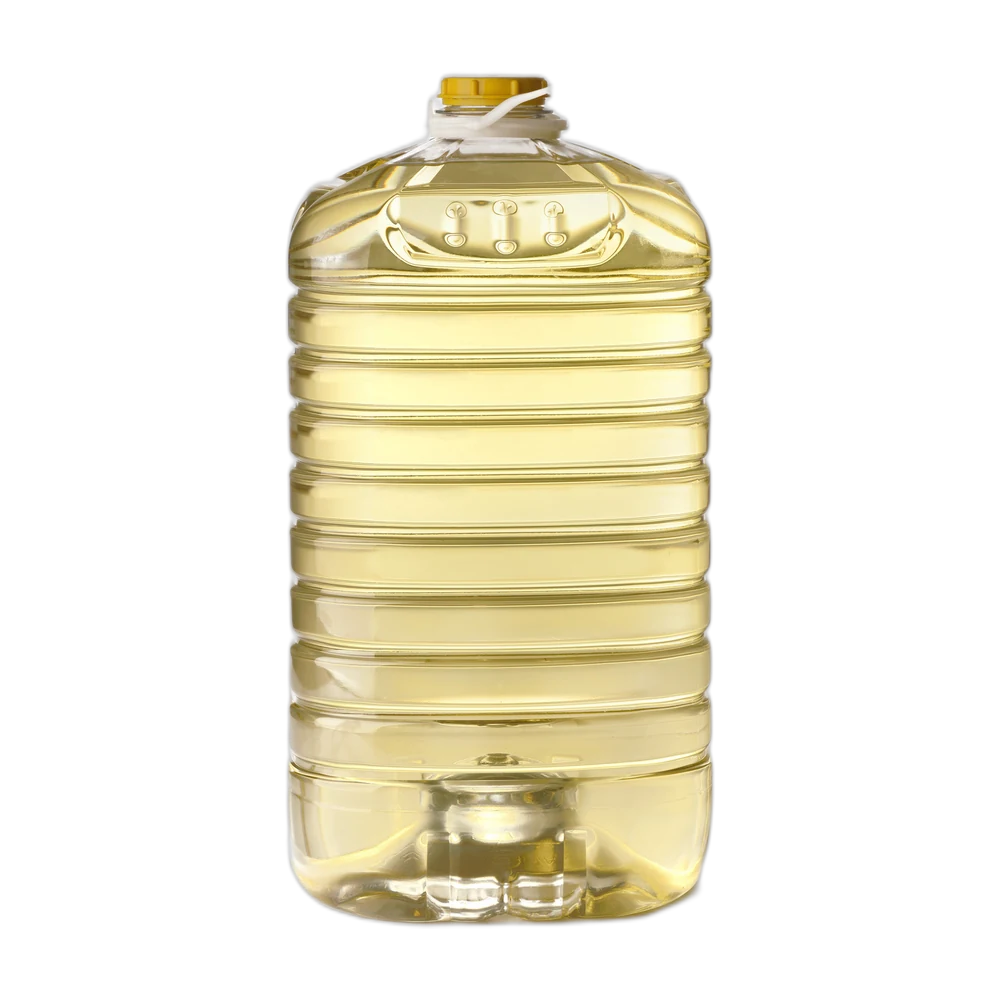
10 · 20 · 25 L (2.6 · 5.3 · 6.6 US gal)
Large-format PET with handle and pouring cap for kitchens and repacking.
Request a quote: Large PET bottle →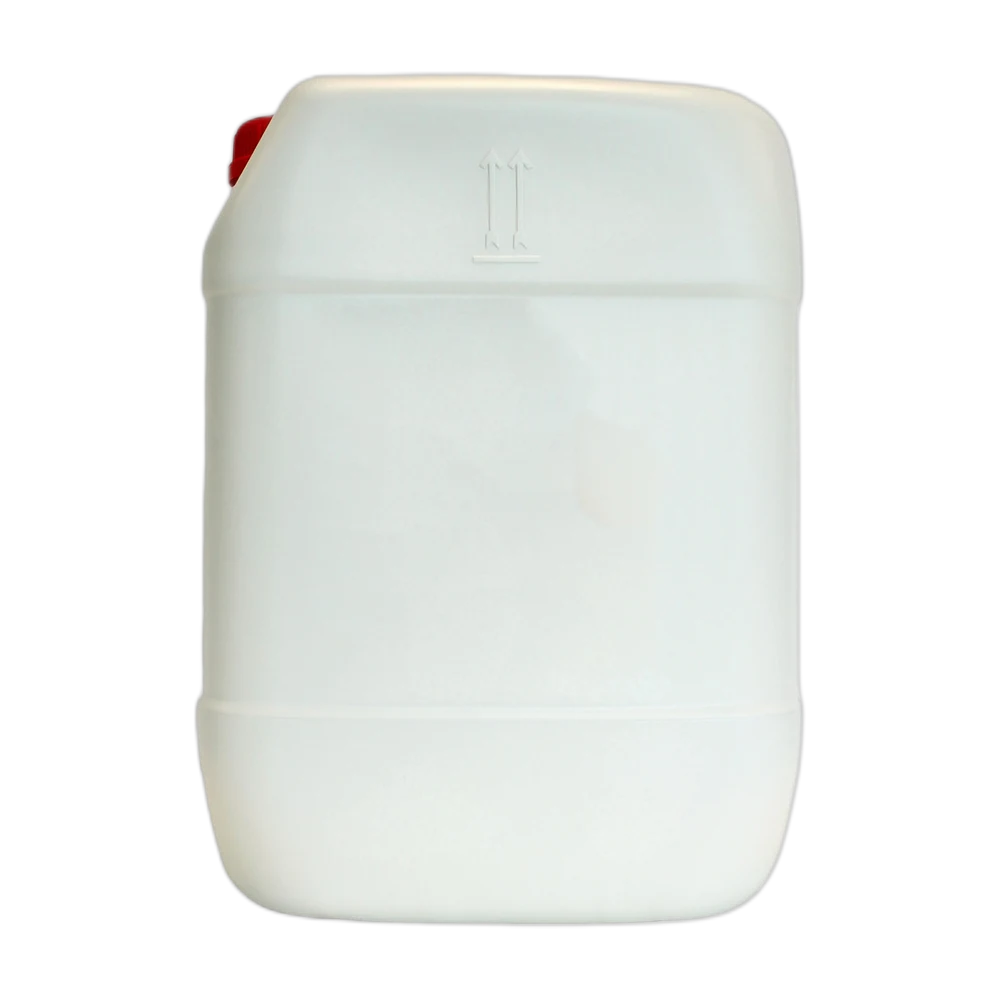
10 · 20 L (2.6 · 5.3 US gal)
Stackable food-grade plastic container with screw cap for foodservice and industrial use.
Request a quote: Large food-grade container →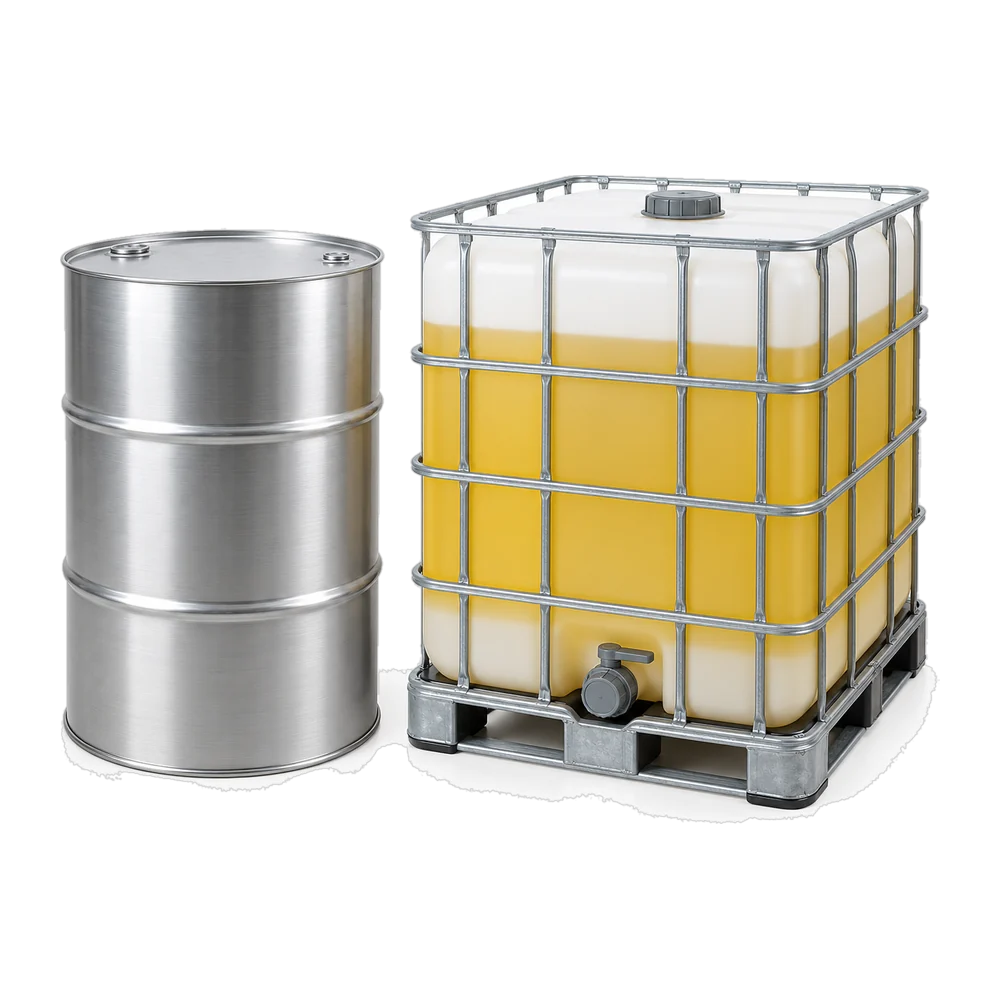
200 – 25,000 kg (441 – 55,116 lb)
Steel drum 200 kg (441 lb), IBC tote 916 kg (2,019 lb) or flexitank up to 25,000 kg (55,116 lb) for repacking and industrial programs.
Request a quote: Bulk →Loading capacity
Container figures documented for the Spanish program, shown as provided for full-container programs.

| Format | Packing unit | 20 ft container | 40 ft container |
|---|---|---|---|
| PET bottle, 20 L (5.3 US gal) · Spain | On pallets | 11 pallets max 9,900 L (2,615 US gal) Palletized only, no floor loading | 25 pallets 24 pallets in a 40 ft non-operating reefer (NOR) |
Figures are approximate; final case, pallet and container configuration is confirmed at loading.

Private label
Grade, bottle shape, closure, label and artwork are configured under your brand, with specification and documentation coordinated for the destination market before the first shipment.
Category, bottle or tin format, closure and case configuration selected for the target channel and destination market.
Print-ready artwork, or a brief if design support is needed, with written confirmation of rights to any licensed name, logo or mark.
Ingredient and allergen declarations checked against the labeling rules of the destination market.
Specification, analysis and label reviewed and approved with you before order.
Supply execution
Buyer FAQ
ALPHATRADE supplies Spanish-origin olive oil in bulk and retail formats and contracts with you as seller. The grade and pack format are selected from the range on this page and written into the program specification, with analysis issued against that specification for each lot.
Against a written specification, not the grade name. The Spanish-origin specification above sets the limits that define the extra virgin category and its authenticity: acidity, peroxide value, ultraviolet absorbance, ethyl esters, waxes, stigmastadienes, fatty acid and sterol composition and the ECN42 difference. The category also requires an organoleptic assessment by a trained panel, so sensory acceptance is agreed per program. Each lot is analyzed against the agreed specification, and the analysis is issued for the lot shipped.
Extra virgin and virgin olive oil are obtained from olives solely by mechanical means. Extra virgin has a free acidity, expressed as oleic acid, of 0.8% or less, a fruity taste and no sensory defects; virgin allows up to 2.0% and slight sensory defects, also with a fruity taste. Olive oil sold as pure or mild is a blend of refined olive oil and virgin olive oil with a free acidity of 1.0% or less; pure and mild are trade descriptions, not separate EU categories. Olive pomace oil blends refined olive-pomace oil, obtained from the residue left after olive oil extraction, with virgin olive oil. Further chemical and sensory limits apply to every category under EU Regulation 2022/2104 and the International Olive Council trade standard.
For Spanish-origin olive oil in 20 L (5.3 US gal) PET bottles, the documented 20 ft loading is up to 11 pallets, 9,900 L (2,615 US gal), on pallets only; a 40 ft container takes 25 pallets, or 24 in a 40 ft non-operating reefer. Loading for other formats is planned for the selected program, and the final pallet and container plan is confirmed with the quotation.
The documented retail formats are the glass bottle, the PET bottle, the tin and the 200 ml (6.8 US fl oz) spray bottle, alongside the 10 ml (0.34 US fl oz) single-portion pot for foodservice. Larger programs use PET bottles up to 25 L (6.6 US gal), food-grade plastic containers in 10 and 20 L (2.6 and 5.3 US gal), and bulk formats in steel drums, IBC totes and flexitanks. Shelf life differs by pack and is shown in the packaging section.
Four things, in this order: the product and the pack format; print-ready artwork, or a brief if design support is needed; written confirmation of rights to any licensed name, logo or mark that appears on the pack; and the destination labeling review, where the ingredient and allergen declarations are checked against the requirements of the market the goods enter.
Olive oil falls under HS heading 1509 and olive pomace oil under 1510. In the 2022 edition of the Harmonized System, extra virgin olive oil is 1509.20, virgin olive oil 1509.30, other virgin olive oils 1509.40, and other olive oil, including blends of refined and virgin oil, 1509.90; olive pomace oil is 1510.10 when crude and 1510.90 otherwise. These codes cover the oils as such; flavored preparations are classified separately. National tariff lines add further digits, so the full code is confirmed with the importer or its customs representative for the destination market.
FSVP obligations sit with the designated FSVP importer, where applicable, and producing facilities keep their own applicable FDA obligations. The Foreign Supplier Verification Program is the importer's duty under FSMA, not the supplier's, and the FSVP importer is generally the US owner or consignee at entry, which may be a different company from the customs importer of record. Prior Notice must reach the FDA before arrival, filed by the designated filer. ALPHATRADE supplies the supplier-side evidence the importer's file requires and provides the product, producing-site and shipment data the filer needs.
Questions that apply to every program, on the documents that travel with each lot and United States entry, are answered on Compliance & Quality and US food import compliance.
Buyer guides
What a technical data sheet must tell you
Why pack format decides what fits in a container
How goods are classified, and who is responsible for it
Which rule decides who holds which document
Your requirement does not need to be complete. Share what you know.