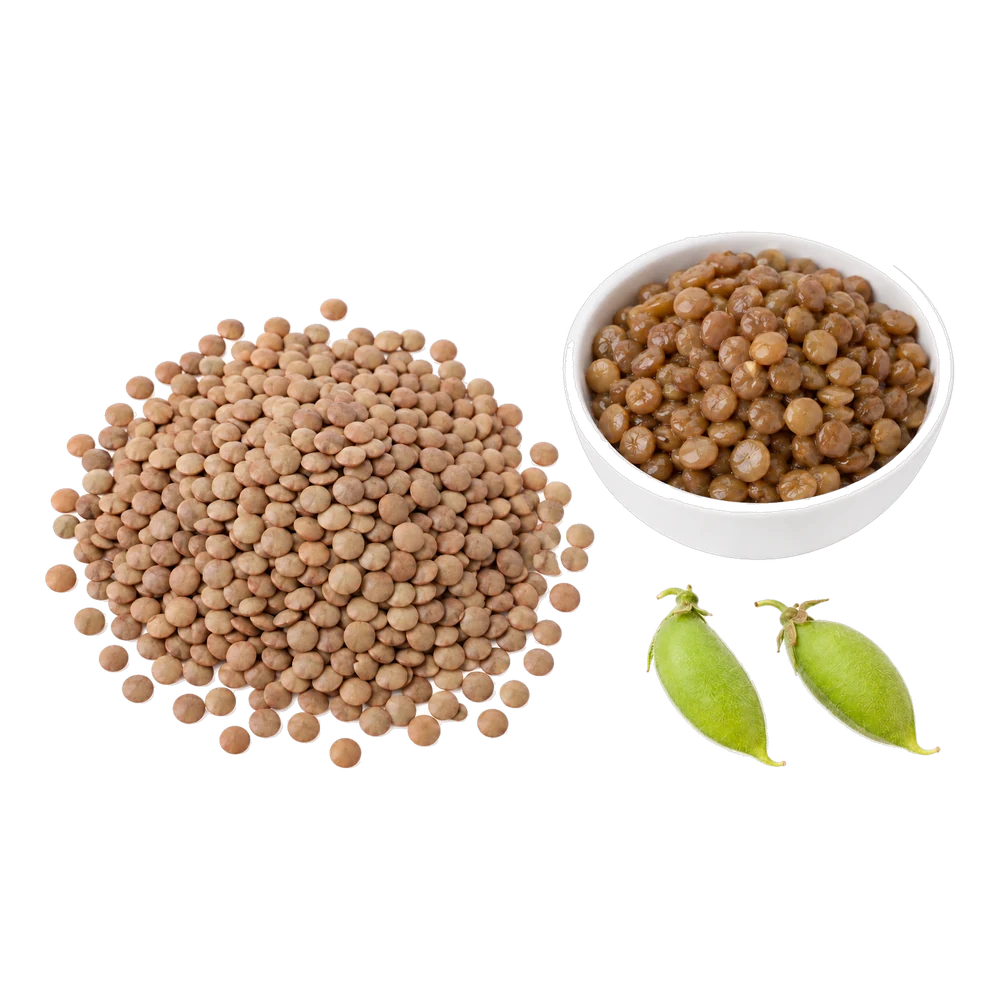
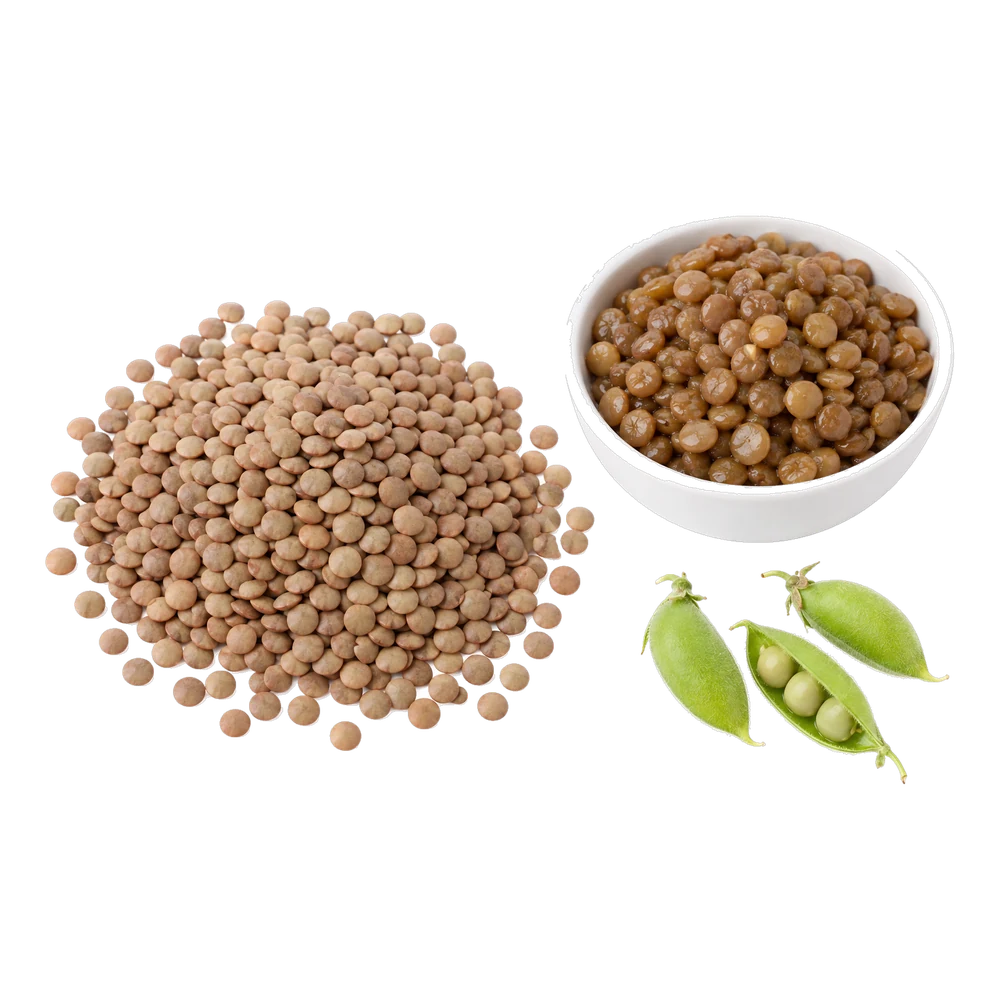
Brown lentils, whole
Broken 5% max · moisture 14% max
The reference line. Full analysis published above. Foreign matter 0.5% max, damaged grains 3% max.
Pulses & legumes
Lentils, chickpeas and white beans photographed close in open bowls
Lentils, chickpeas, white beans and cracked grain for retail and foodservice, qualified on purity, broken grain and moisture.
Pulses are bought on cleanliness before variety. Purity, foreign matter and broken grain are the three figures a buyer compares across offers, and moisture is what decides whether a lot holds through a long sea voyage. All four are stated for every line below.
Reference product
The highest-volume line in the range, so its complete analysis is published below. Every other line carries its own certificate of analysis at its own purity and broken-grain limits.
Technical specification
The limits the processing site works to, with the analysis method recorded where the sheet states one. Each line carries its own certificate per lot.
| Purity | The proportion of the lot that is sound product of the declared type |
|---|---|
| Foreign matter | 0.5% maximum |
| Other foreign matter | 0.25% maximum |
| Broken grains | 5% maximum |
| Damaged grains | 3% maximum |
| Moisture | 14% maximum, method ISO 712 |
|---|---|
| Why the limit matters | Above roughly 14% a pulse will not hold through a long sea voyage without risk of mould and heating in the container |
| Validity | One year from production date |
|---|---|
| Storage | Dry and ambient, away from direct sunlight and strong odours |
| Analysis | Issued per lot, not per program |
| Bulk sack | 25 kg (55 lb) |
|---|---|
| Retail | Configured to the program |
| Order and schedule | Minimum order, lead time and delivery schedule are defined by the nature and breakdown of each supply program - product, format, brand and destination - and confirmed with the quotation. |
|---|---|
| Incoterms and payment | Programs are executed under Incoterms® 2020 - FOB, CFR, CIF, and DAP or DDP for selected destinations. Payment terms and shipment plan are confirmed with the quotation. |
Shelf life is counted from the date of production. Remaining shelf life at delivery depends on the production slot and transit for the selected program and is stated on the program sheet.
Every producing site is qualified before it enters a program: HACCP is a baseline requirement, and the site holds a recognised food-safety certification, FSSC 22000, BRC or ISO 22000, with the certificate, its scope and its expiry confirmed in writing for the selected product before the first order. Pulse programs additionally carry a certificate of analysis per lot covering purity, foreign matter, broken grain and moisture, because those figures change lot to lot in a way a program specification cannot fix. Batch-specific analysis, applicable certificates and export documentation are provided to qualified buyers. Compliance and quality · US import compliance and FSVP.
Purity, foreign matter, broken grain and moisture results are issued per lot against the agreed specification, with the analysis method recorded where the sheet states one.
Figures are the specification limits for the reference line and are confirmed on the program specification before order.
Lentils
The same pulse in two forms. Splitting removes the seed coat and halves the cotyledon, which shortens the cooking time and raises the broken-grain figure by definition.
Broken 5% max · moisture 14% max
The reference line. Full analysis published above. Foreign matter 0.5% max, damaged grains 3% max.
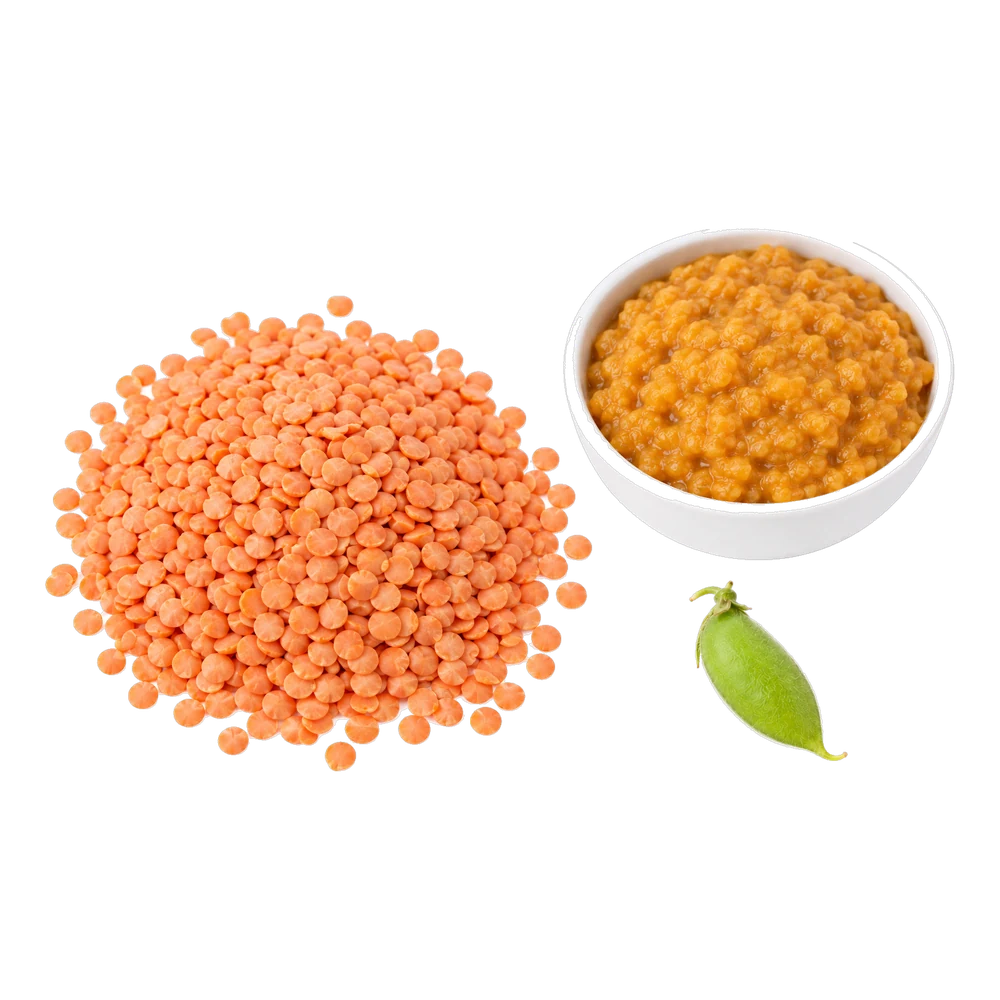
Purity 99.9% · broken 0.4%
Seed coat removed and the cotyledon split. Moisture 11.5% max, tighter than the whole lentil because the exposed surface takes up water faster. Packed 25 kg (55 lb).
Each form is quoted against its own limits rather than one shared number.
Beans & grain
Two legumes and one cracked grain, all held to the same cleanliness discipline.
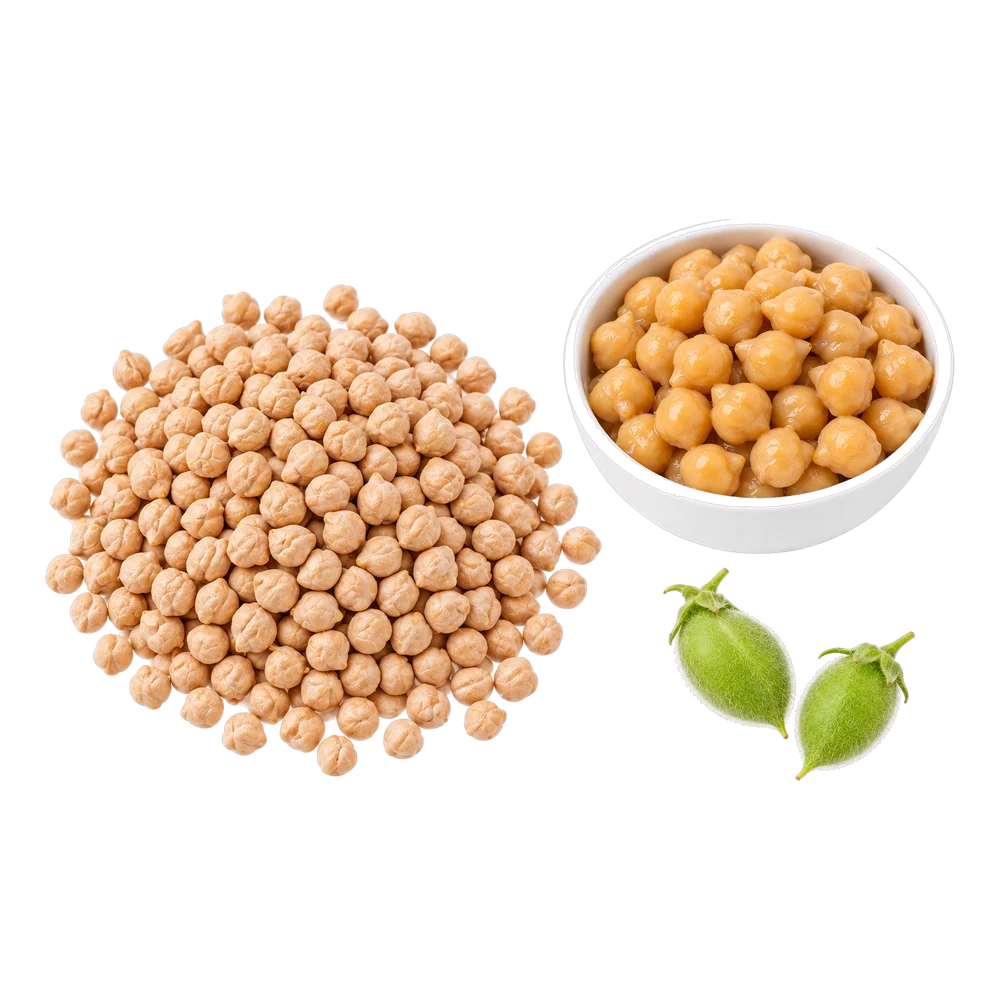
Purity 97% min · moisture 14% max
Sized to the program. Foreign matter below 0.5%, damaged grains 3% max. Validity one year from production.
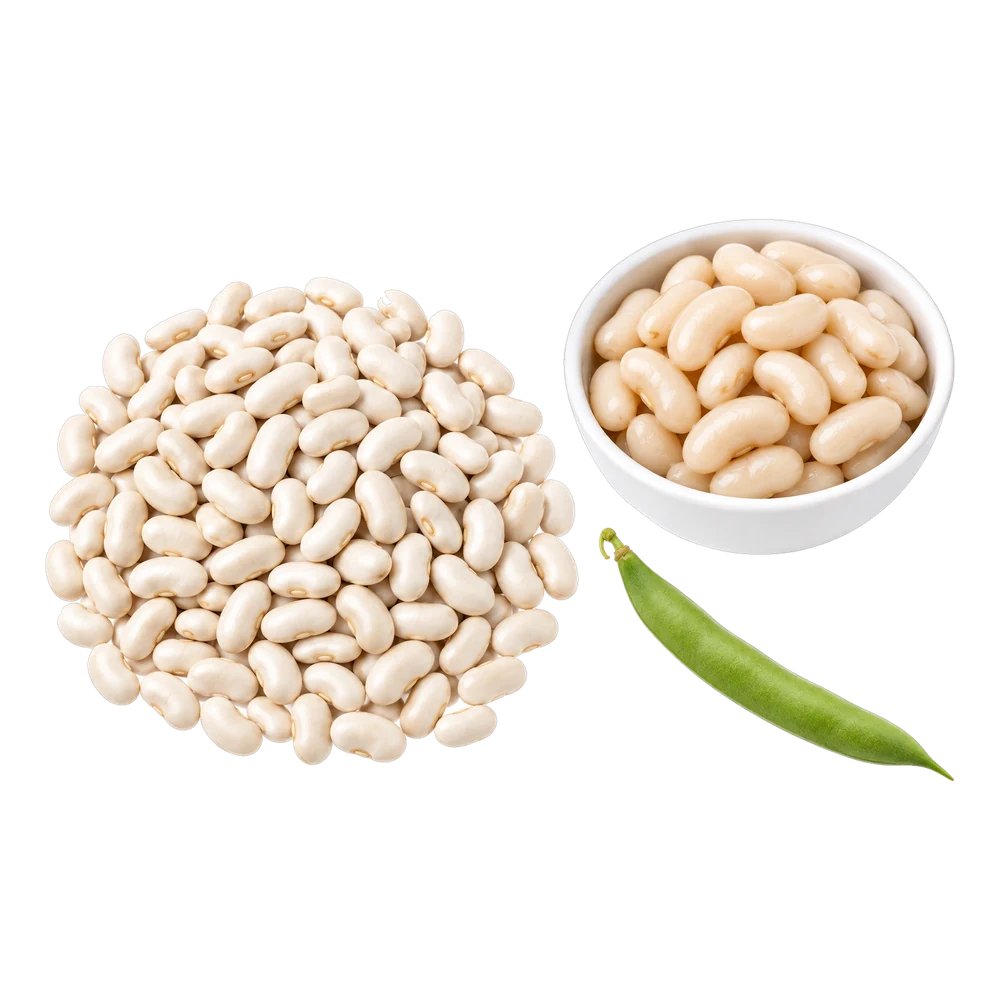
Purity 99.5% min · moisture 14% max
The highest purity in the range. Foreign matter below 0.5%, damaged grains 3% max.
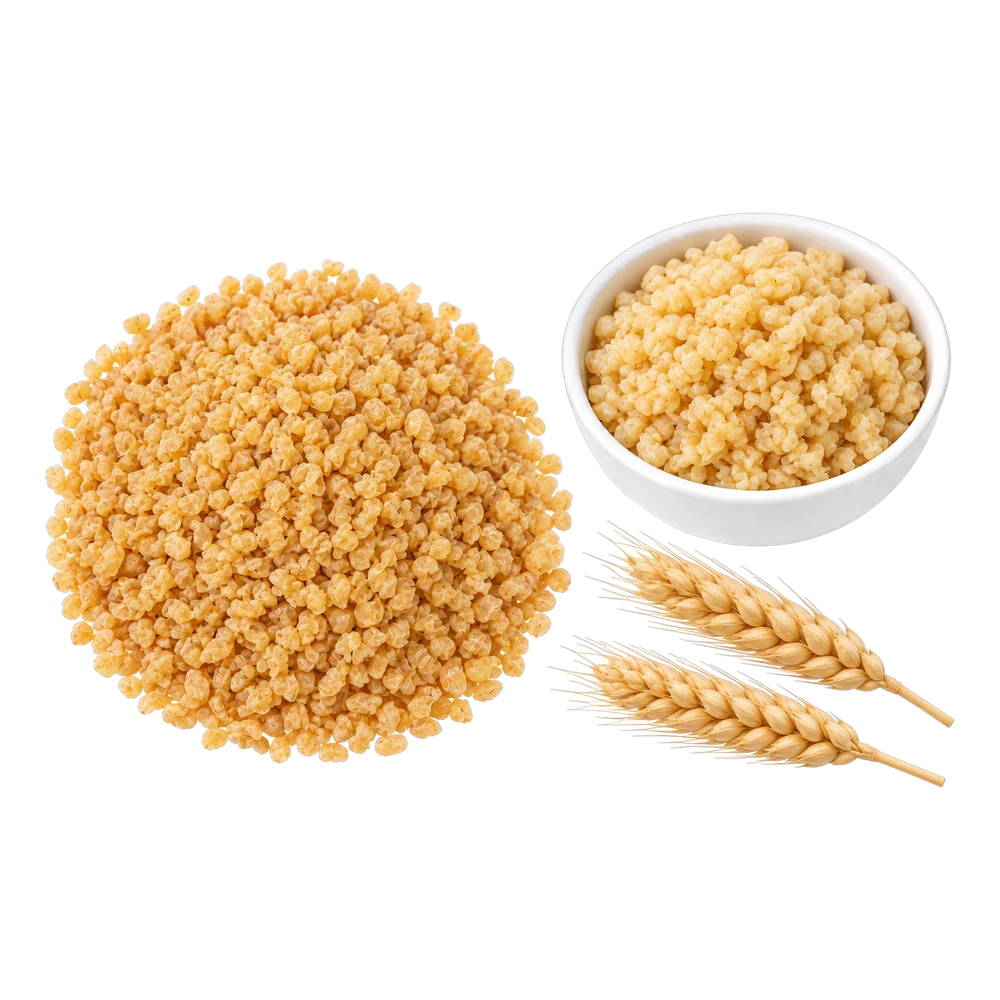
Moisture 14% max · fines 1.6% max
Cracked parboiled wheat, not a legume. Foreign matter 0.5% max. The fine fraction is limited because it turns to paste in cooking.
Bulgur is cracked parboiled wheat, not a legume. It is listed here because it is milled alongside and shelved alongside, and it is named for what it is.
The full range
Purity and moisture are quoted for every line, because those are the two figures that decide both the price and whether the lot arrives sound.
Whole and split. Splitting raises the broken-grain figure by definition, so the two are quoted against different limits rather than one shared number.
| Line | Purity | Moisture and key limits |
|---|---|---|
| Brown lentils, whole | Foreign matter 0.5% max | Moisture 14% max · broken 5% max · damaged 3% max |
| Split lentils | 99.9% | Moisture 11.5% max · broken 0.4% |
Bulgur is cracked parboiled wheat rather than a legume. It is milled by the same supplier and shelved alongside pulses, so it is listed here and named for what it is.
| Line | Purity | Moisture and key limits |
|---|---|---|
| Chickpeas | 97% minimum | Moisture 14% max · foreign matter below 0.5% |
| White beans | 99.5% minimum | Moisture 14% max · foreign matter below 0.5% |
| Bulgur, cracked wheat | Foreign matter 0.5% max | Moisture 14% max · fine fraction 1.6% max |
Purity, broken grain and moisture limits are fixed on the program specification before the first run, and the certificate of analysis is issued against them per lot.
Request the full current rangePackaging
Two formats. The bulk sack is the trading standard; retail packs are configured to the program.
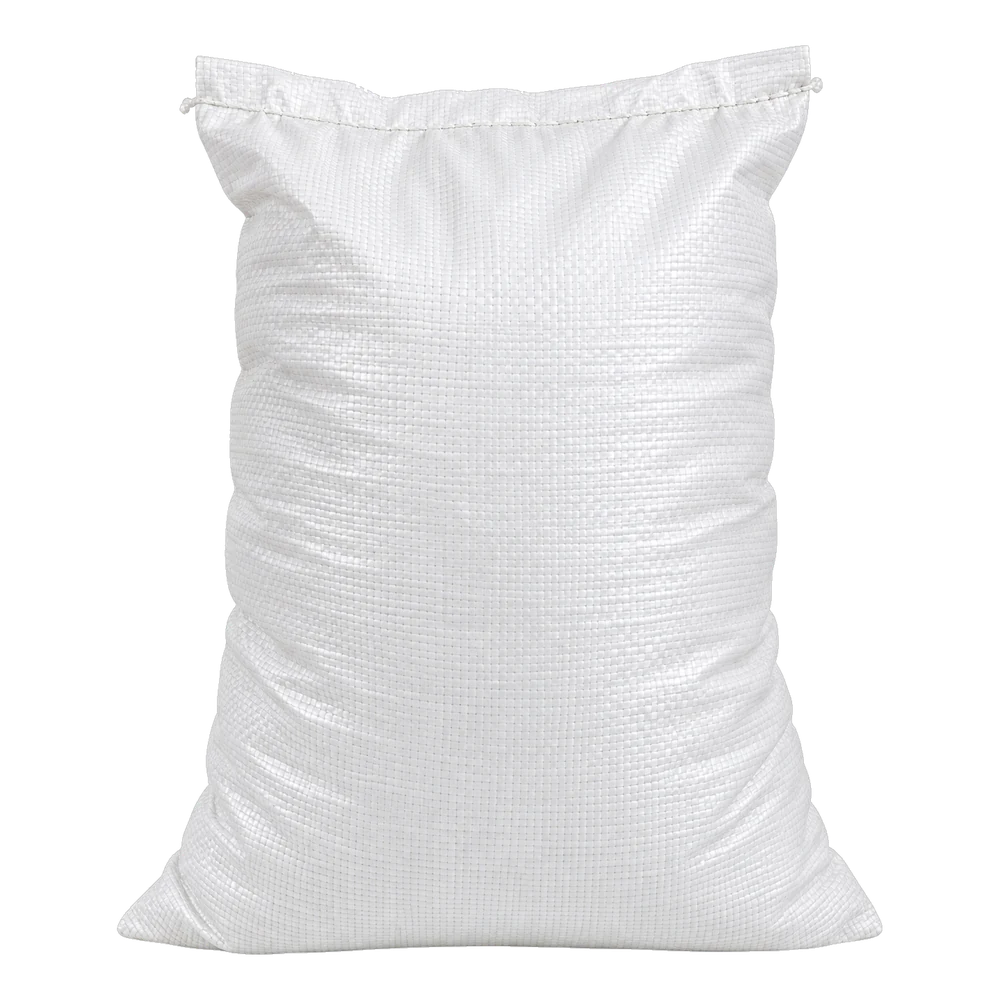
25 kg (55 lb)
The trading standard for pulses, and the format the certificate of analysis is issued against.
Packaging →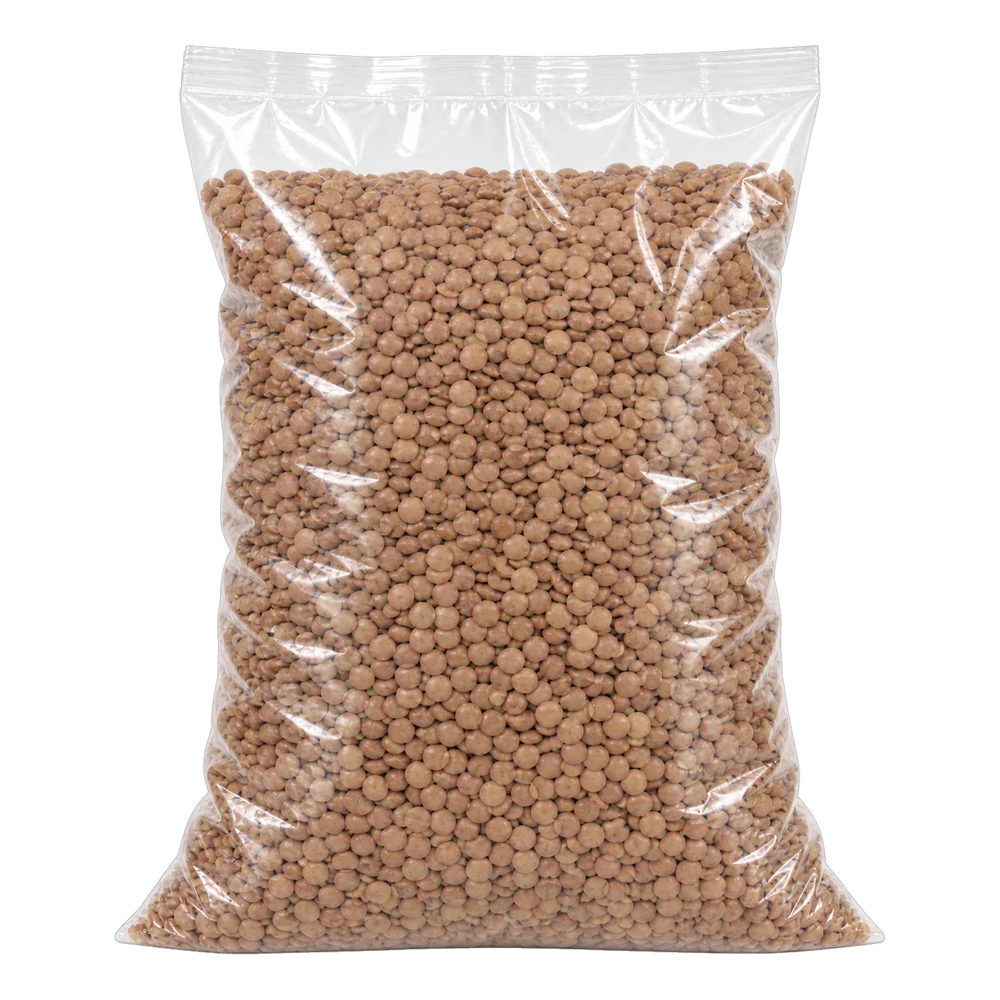
Configured to the program
Pack weight, case configuration and artwork set for the destination market.
Packaging →Private label
Grade, purity target, pack weight, artwork and label declarations are configured under your brand, with documentation coordinated for the destination market before the first shipment.
Purity and broken-grain targets set, because they decide both price and appearance on shelf.
Chickpea and bean calibration set to the program.
Bulk sack or retail pack, with the case configuration.
Analysis and label declarations prepared for the destination market.
Supply execution
Samples follow once a program, specification and commercial terms are agreed.